Showing posts with label Beauty. Show all posts

Sunday, January 9, 2022

Long Covid Lament

Now if real daylight such as I remember having seen in this world would only come again, but it is always twilight or just before morning, a promise of day that is never kept. What has become of the sun? That was the longest and loneliest night and yet it will not end and let the day come. Shall I ever see light again?
Pale Horse, Pale Rider (1938) by Katherine Anne Porter, survivor, 1918 influenza.

An open letter to Michael Osterholm, epidemiologist. His weekly podcast The Osterholm Update is an excellent source of current Covid-19 information.

Dear Dr. Osterholm,

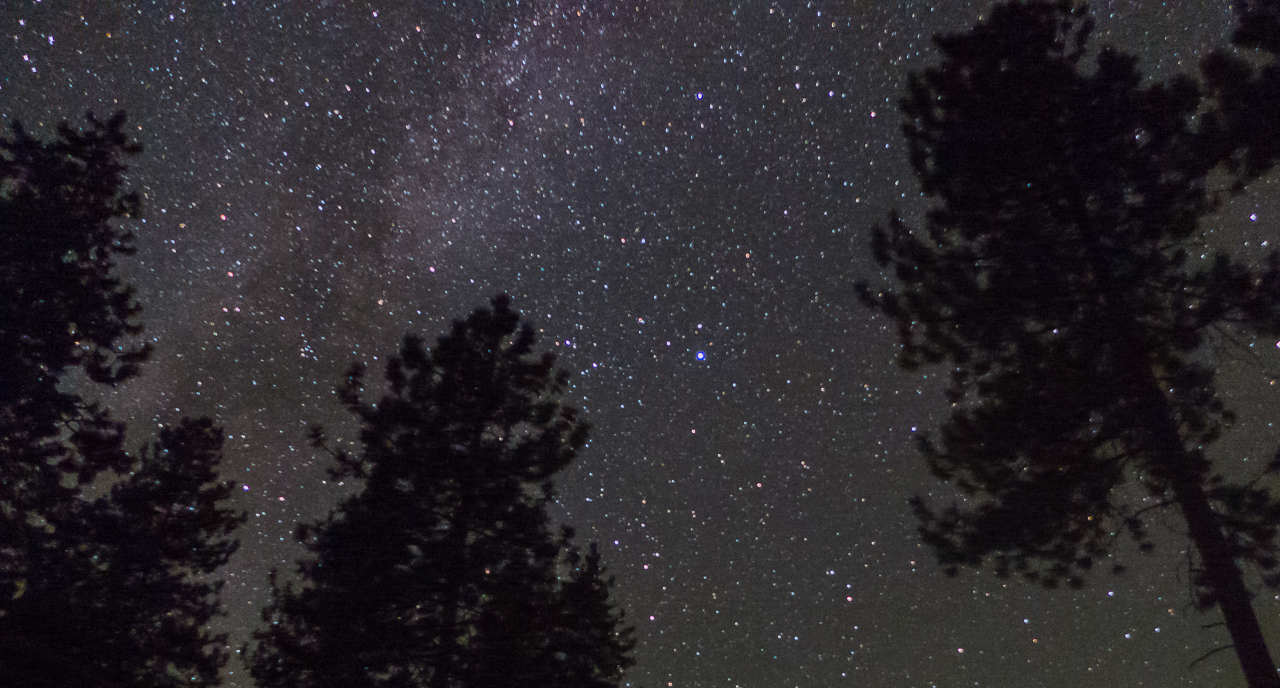
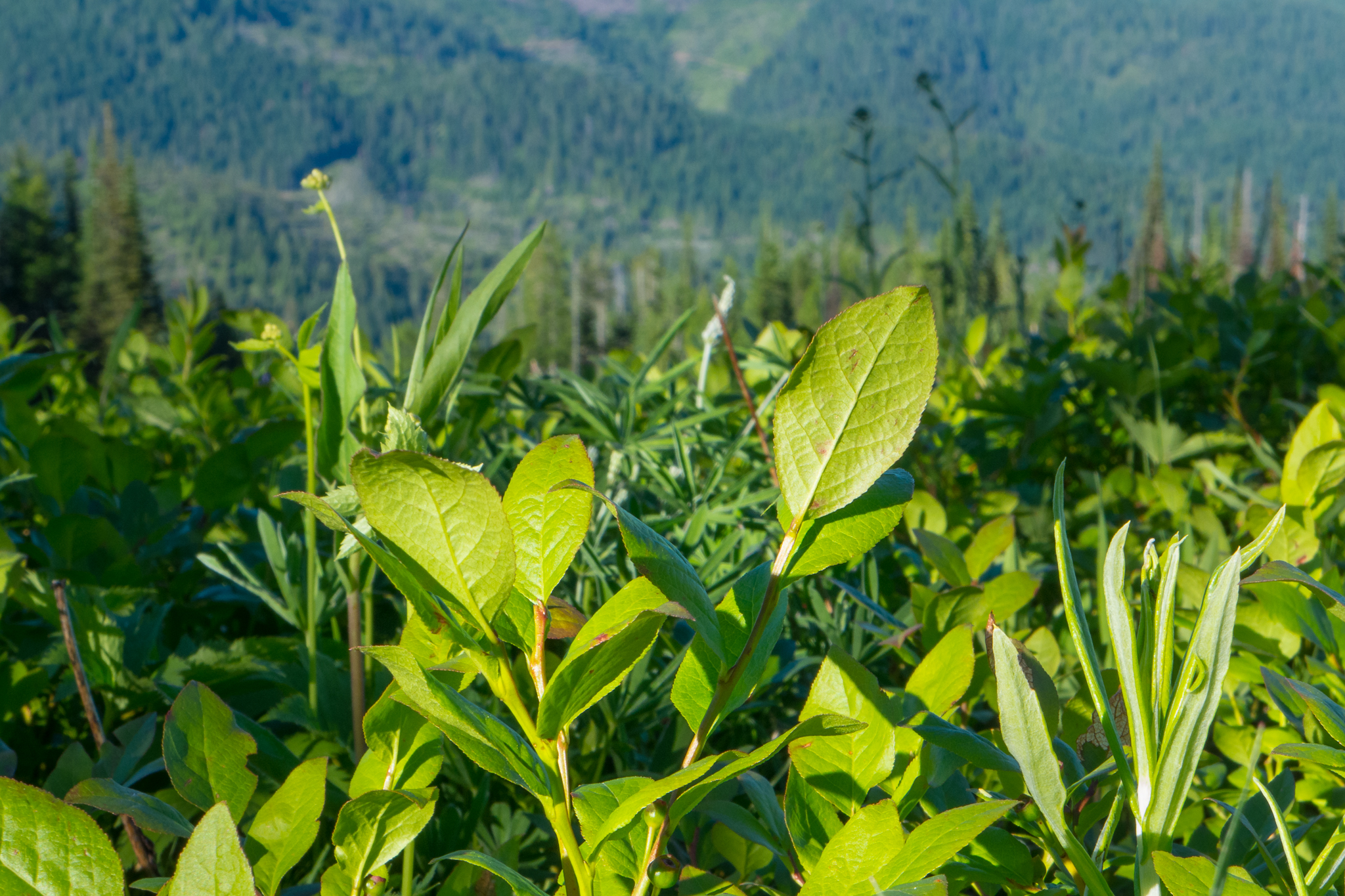
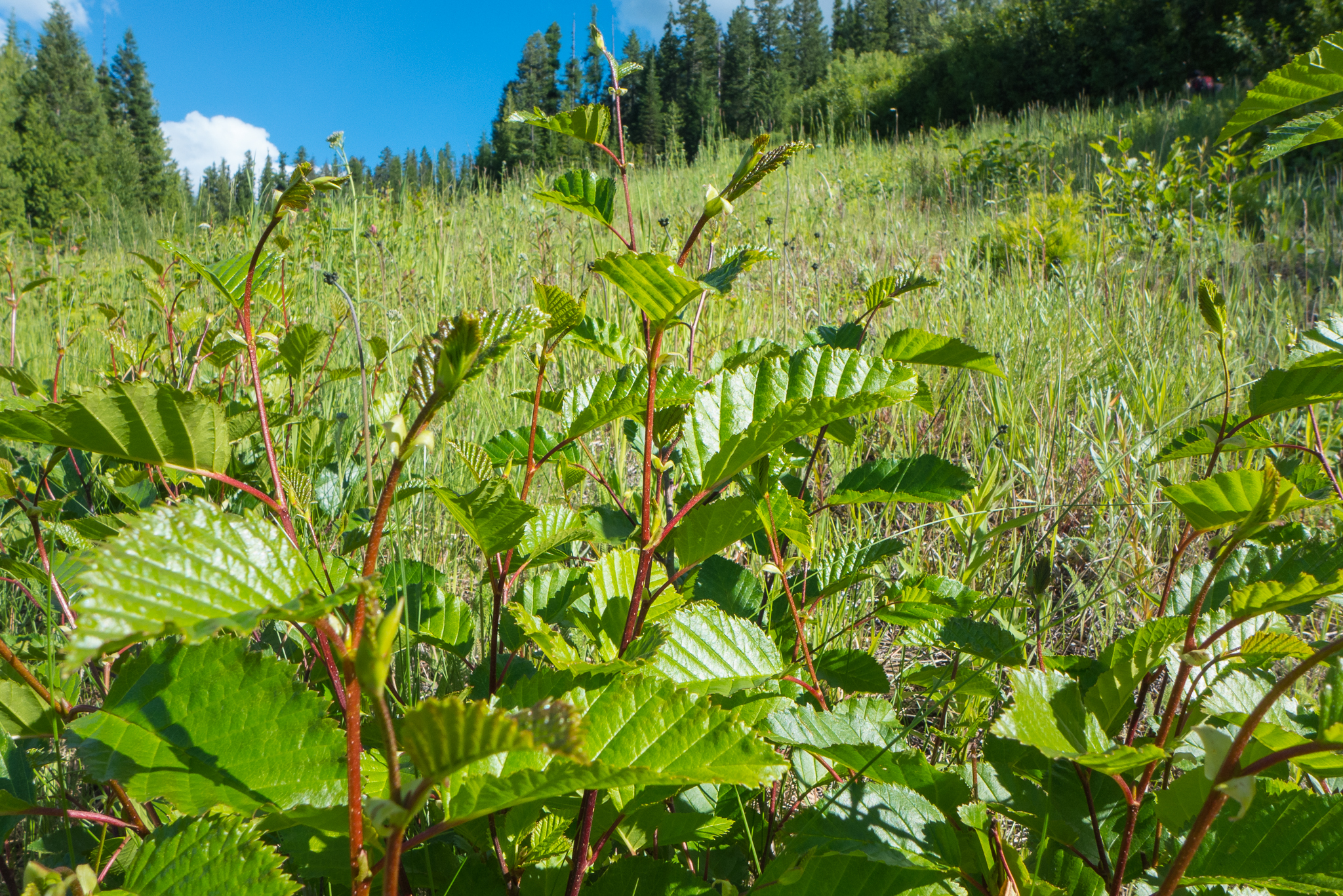
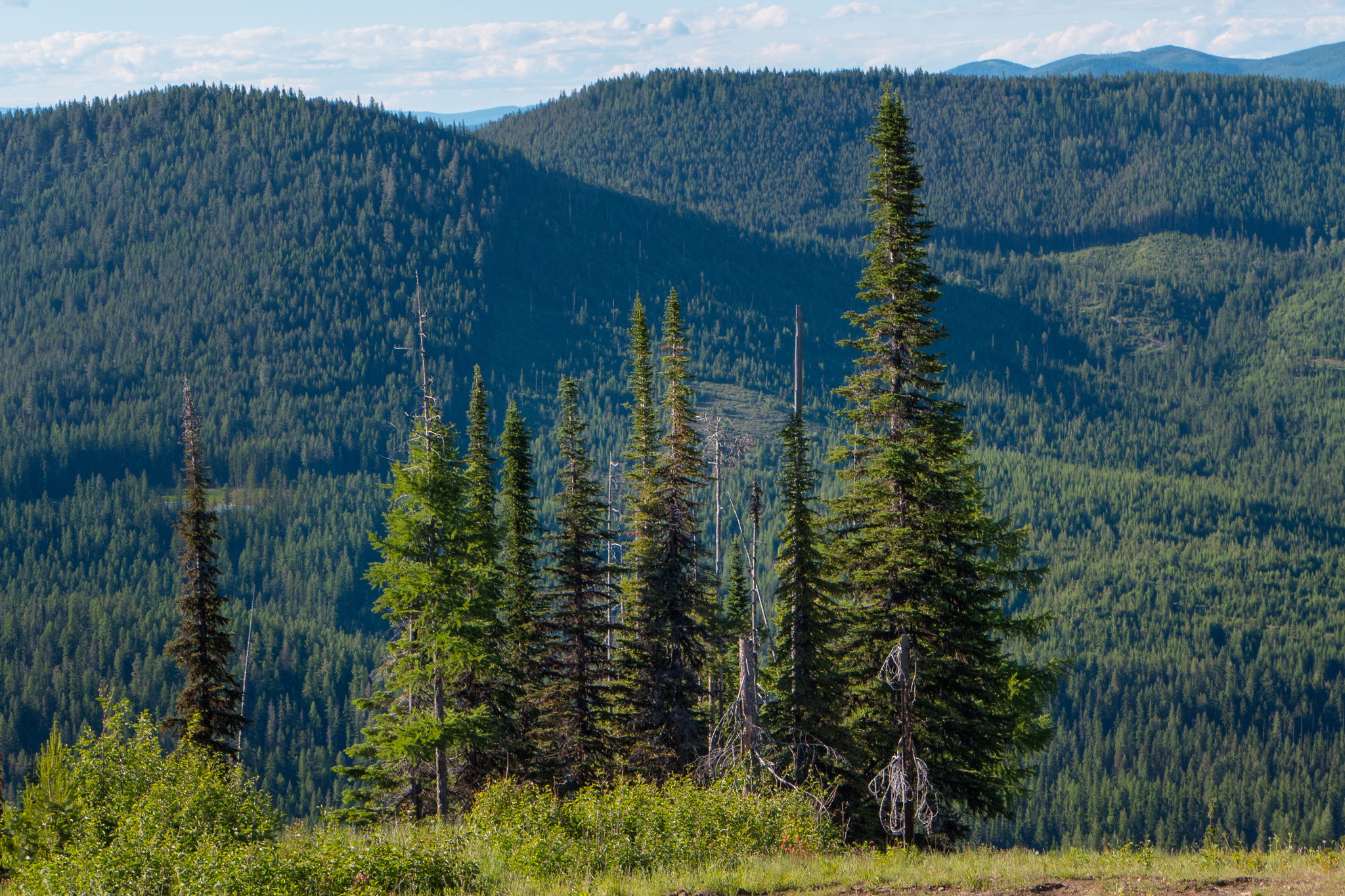
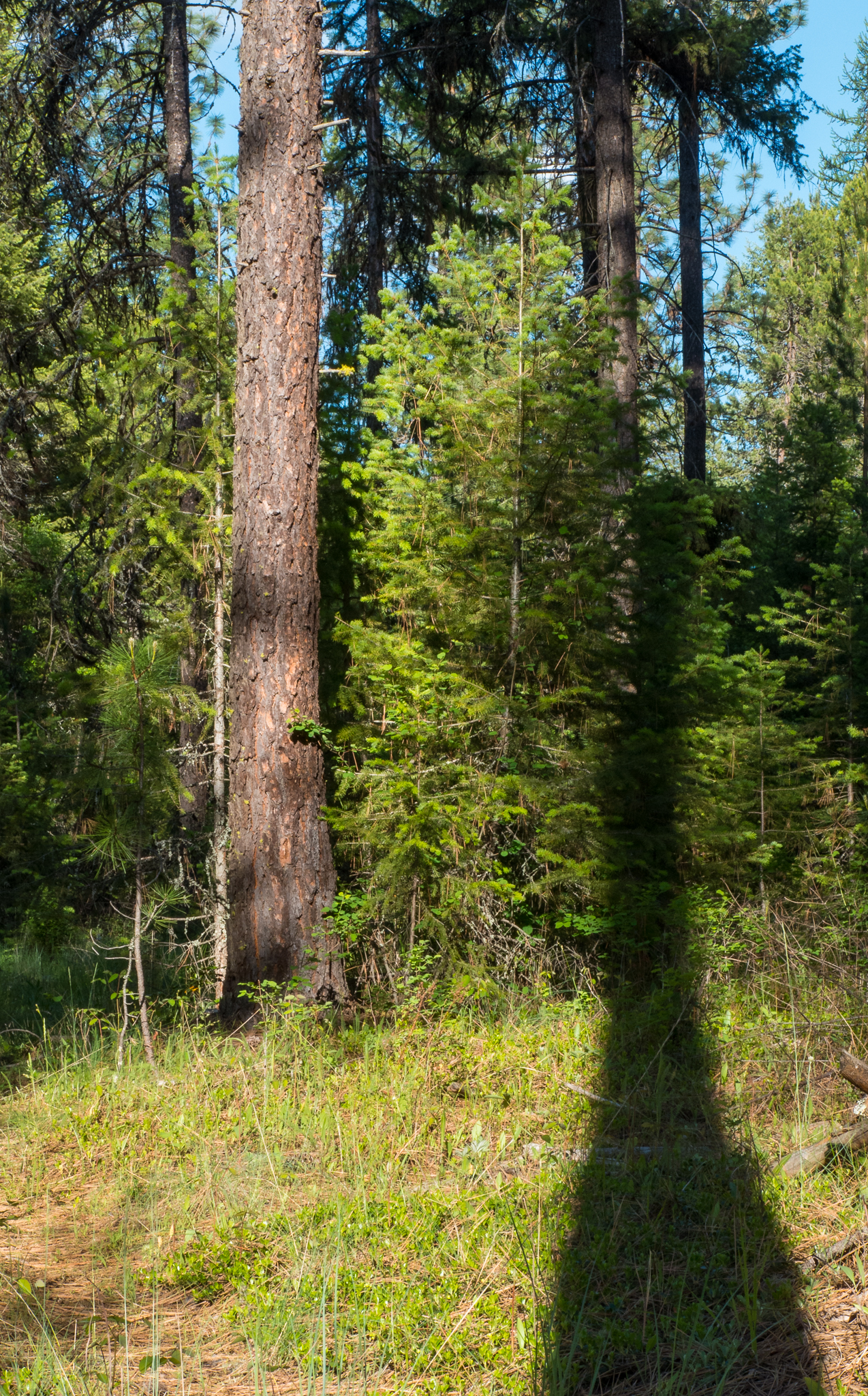
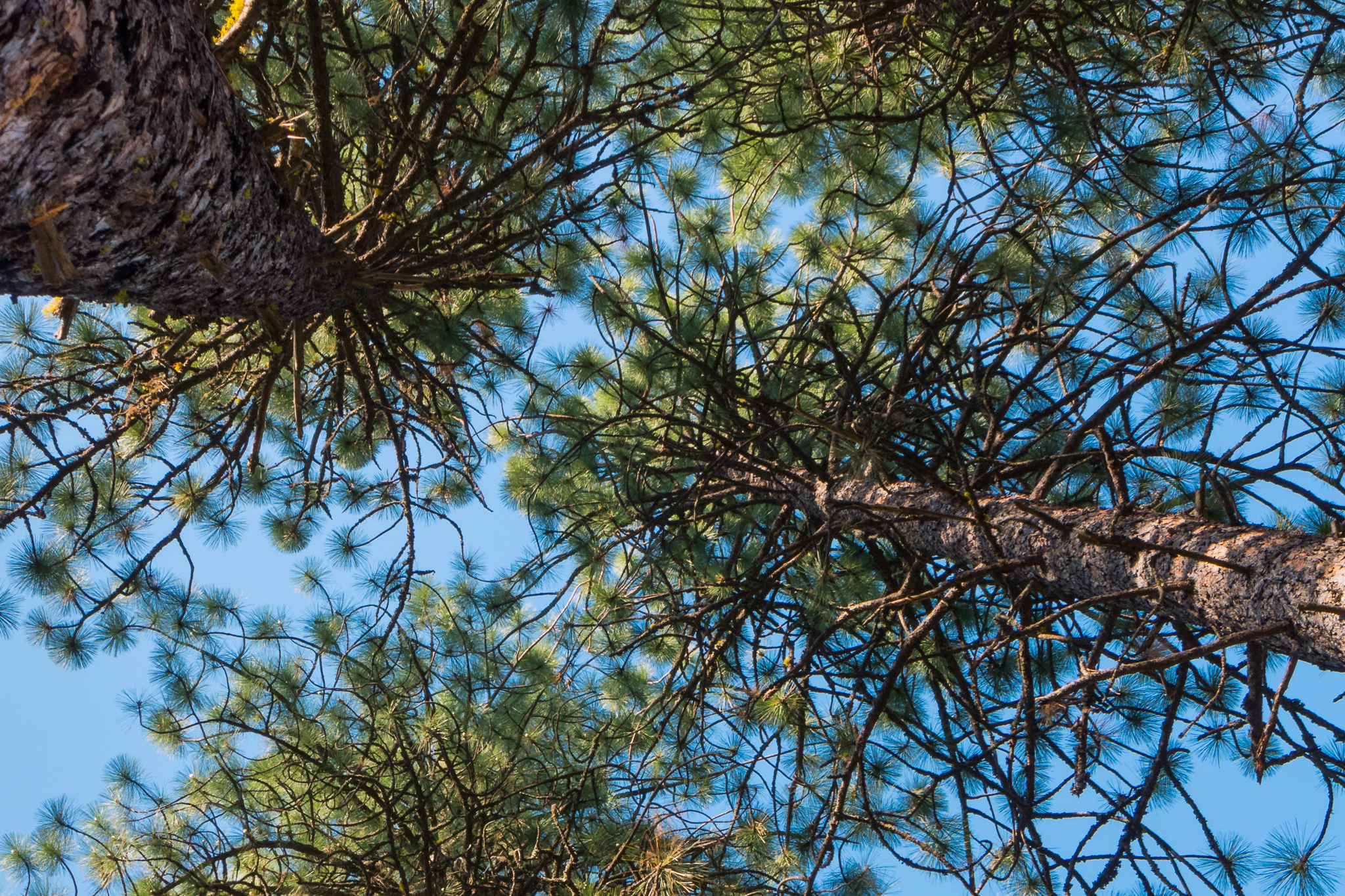
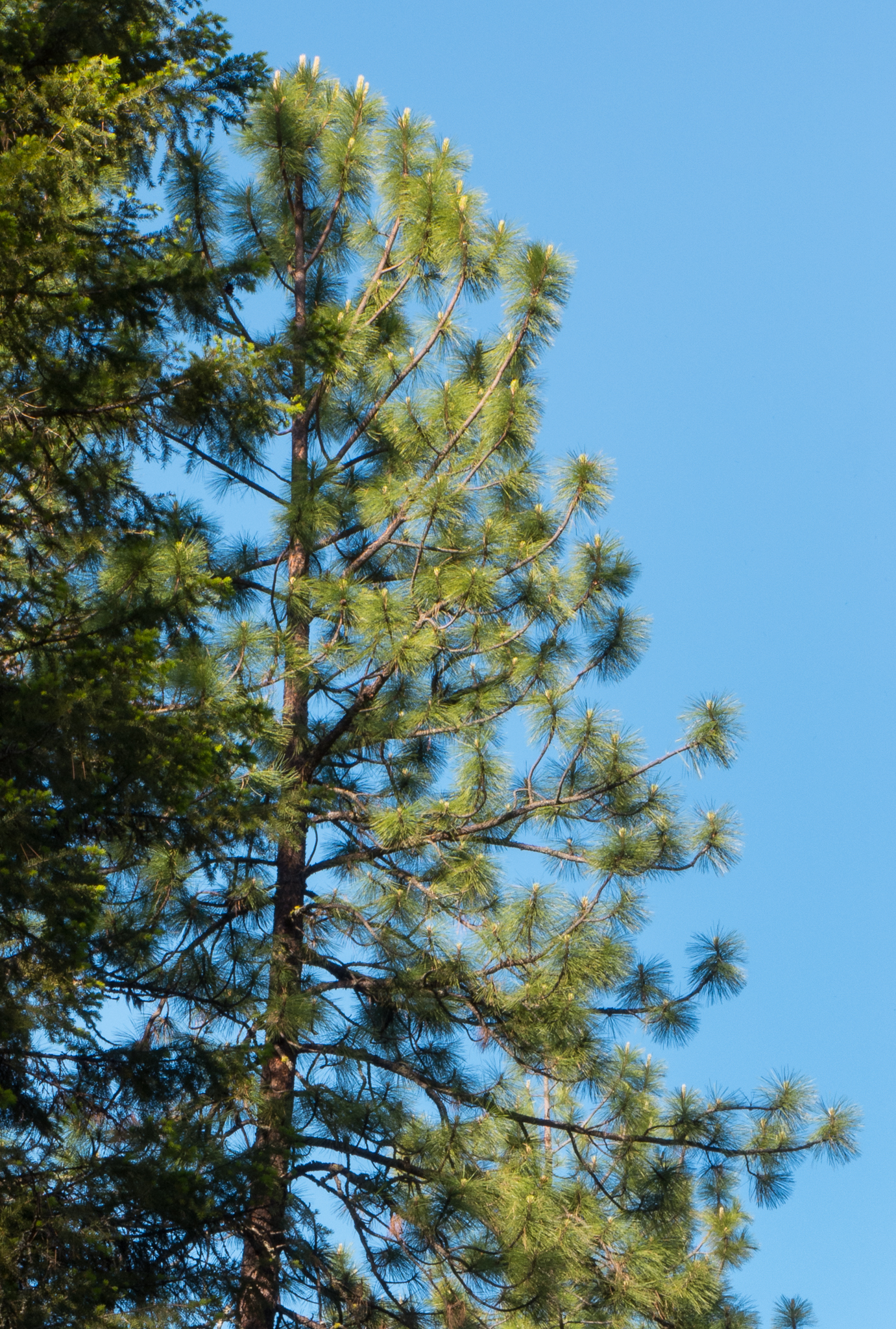
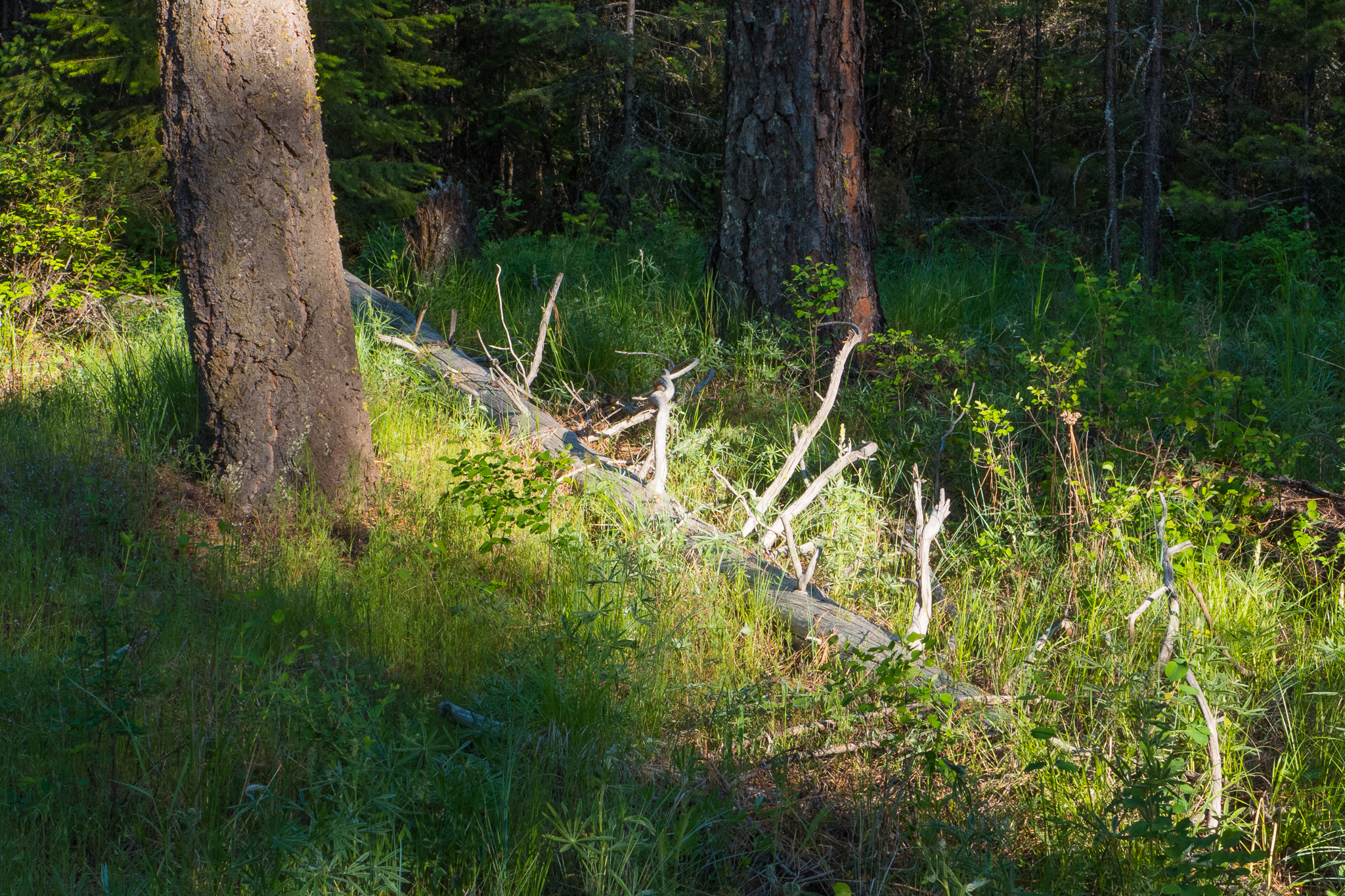
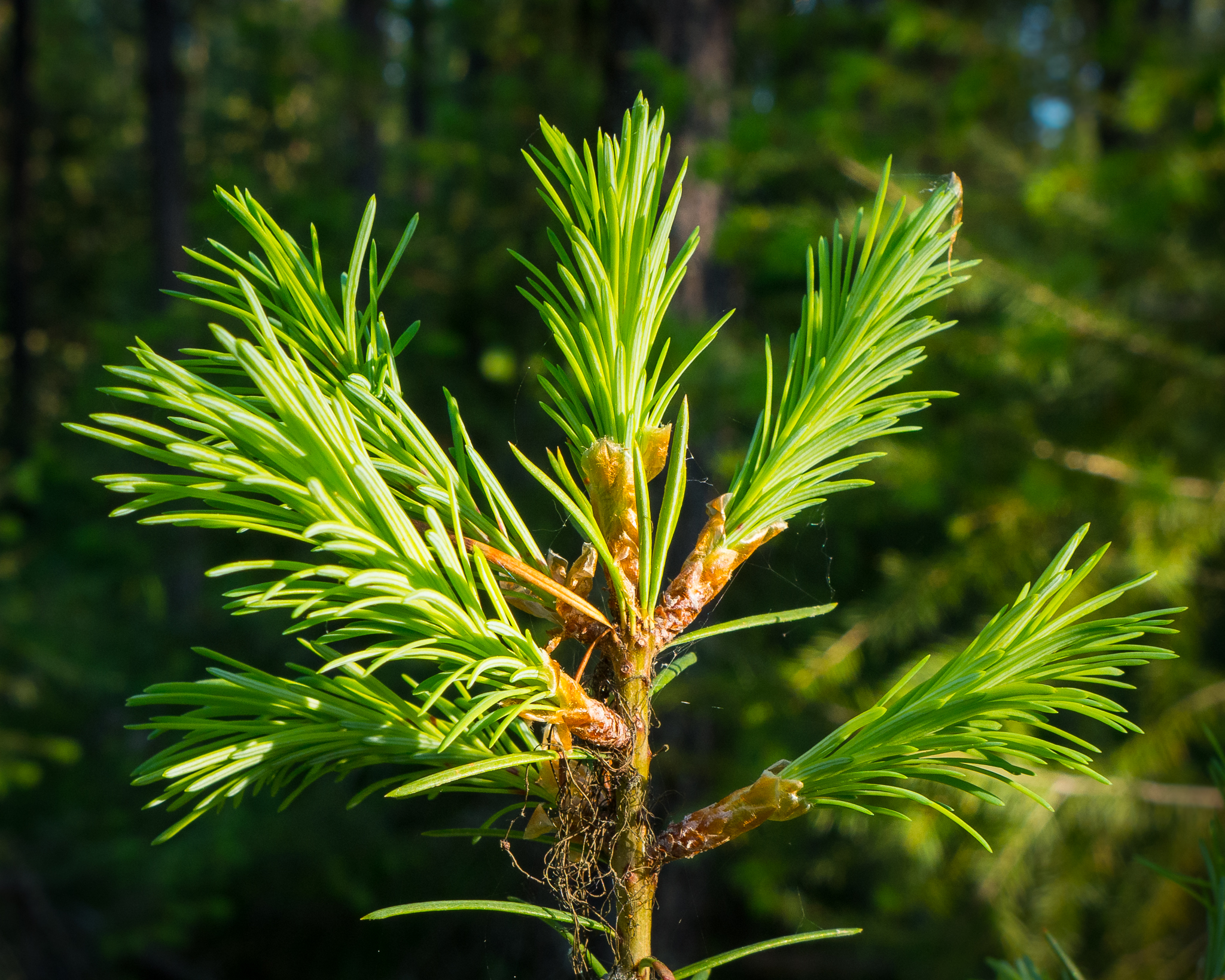
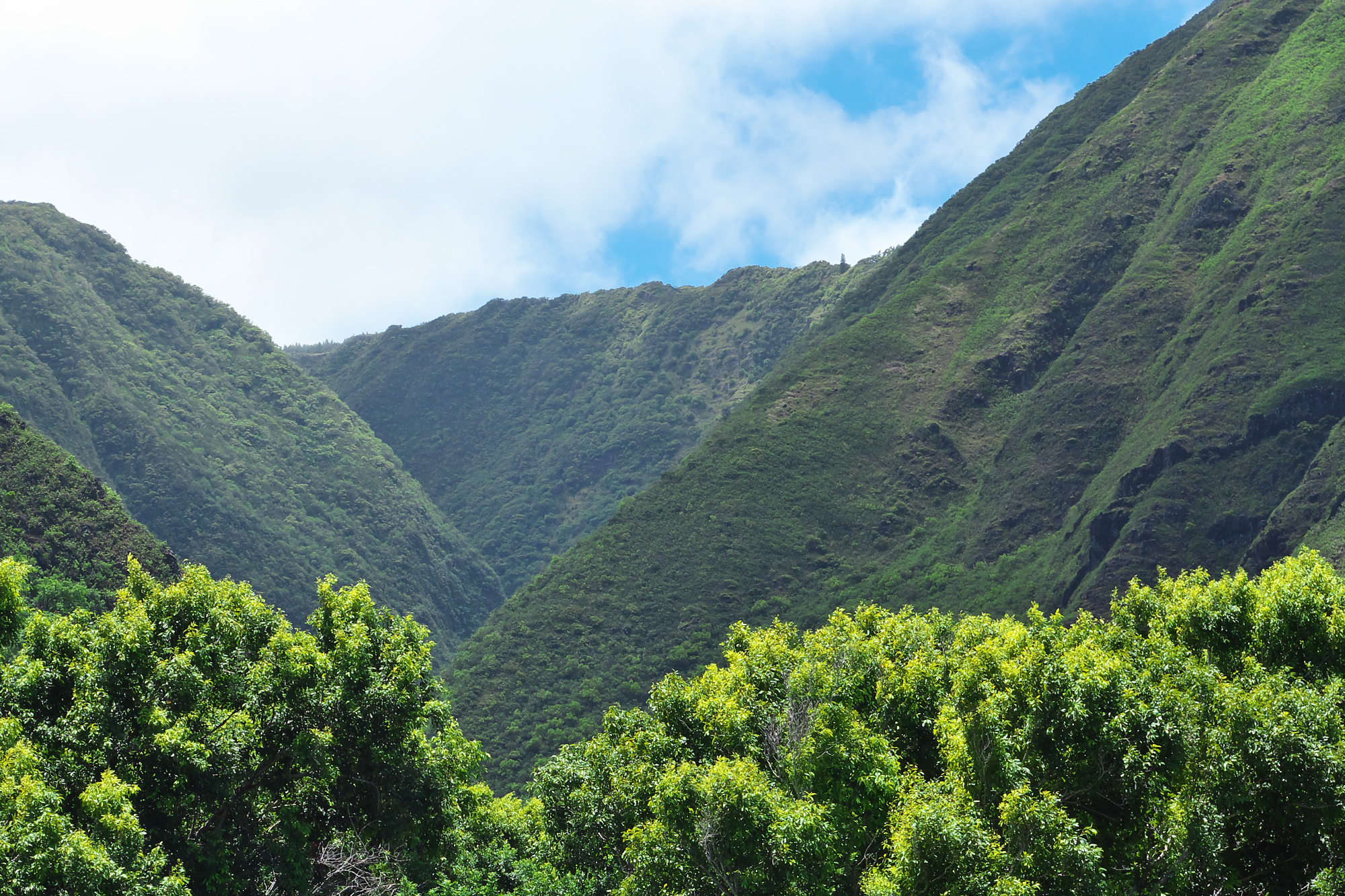
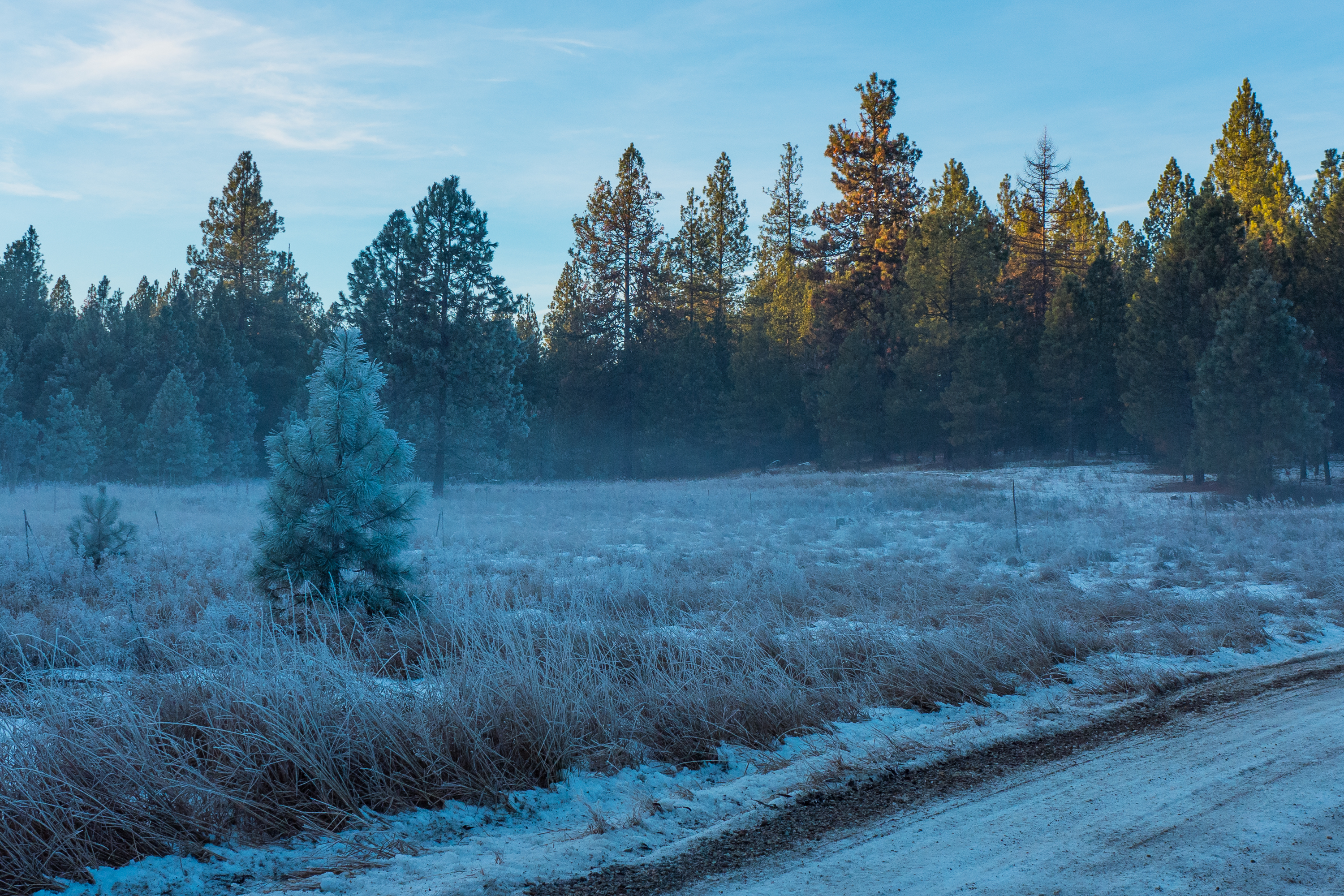
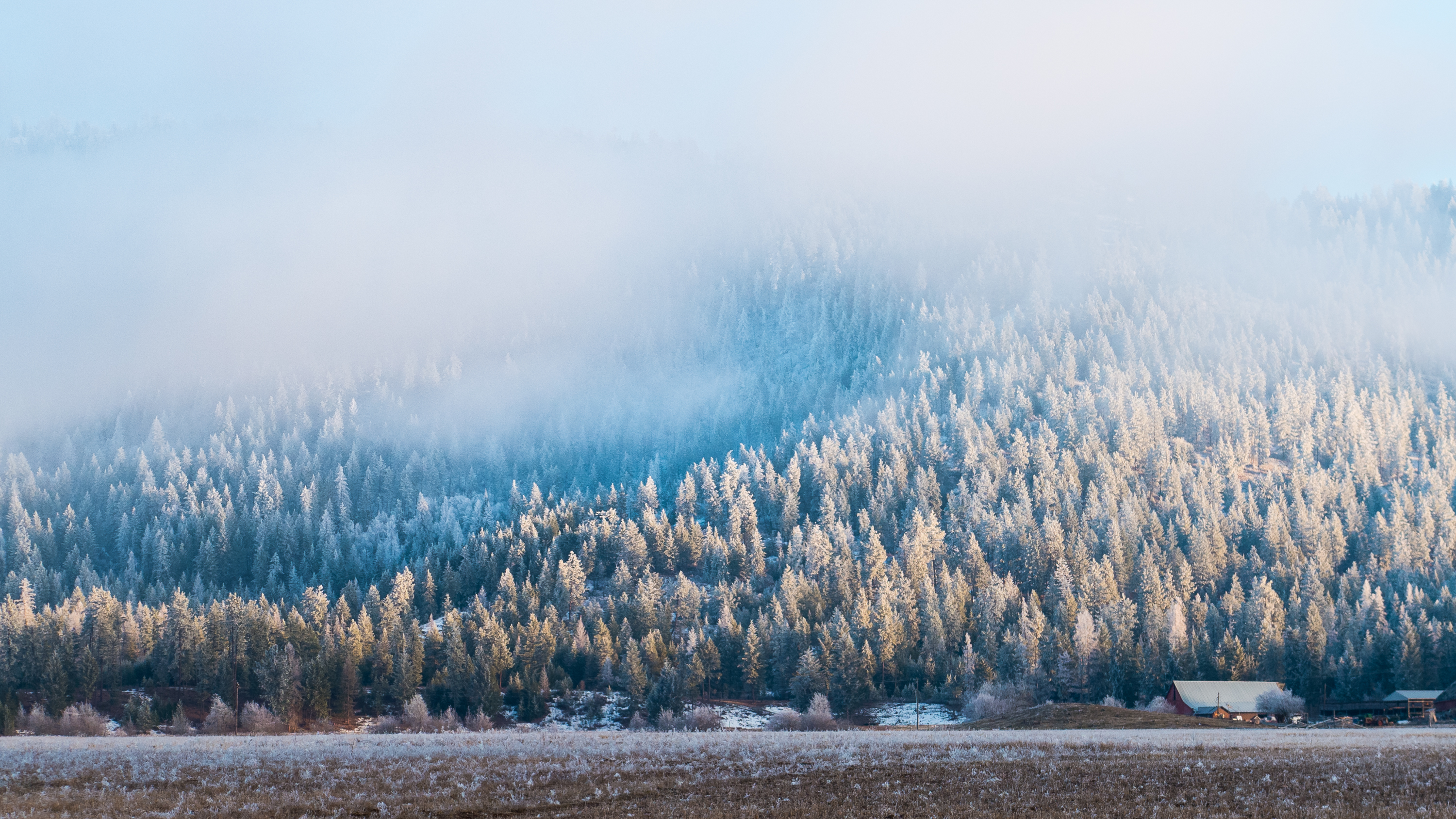
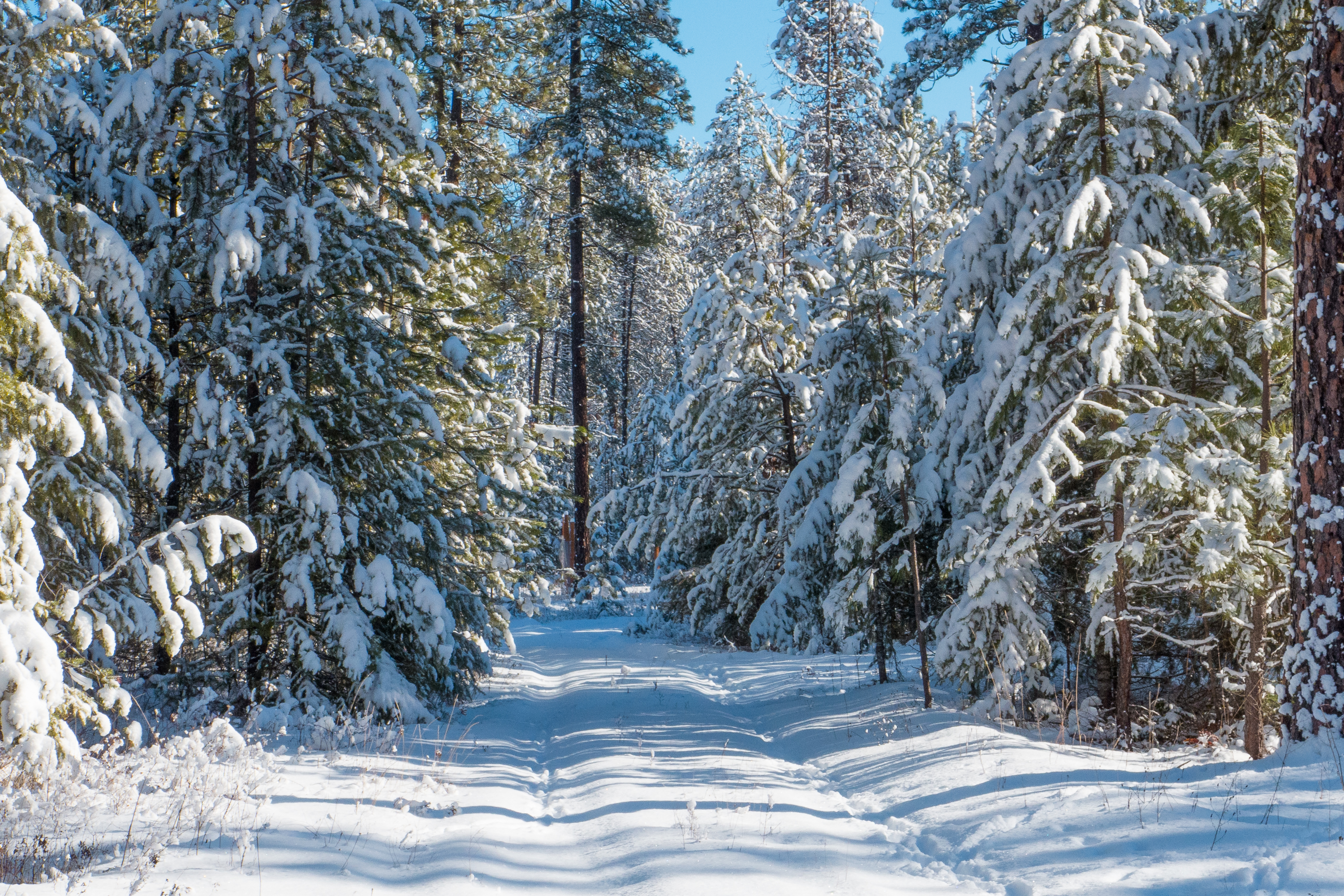
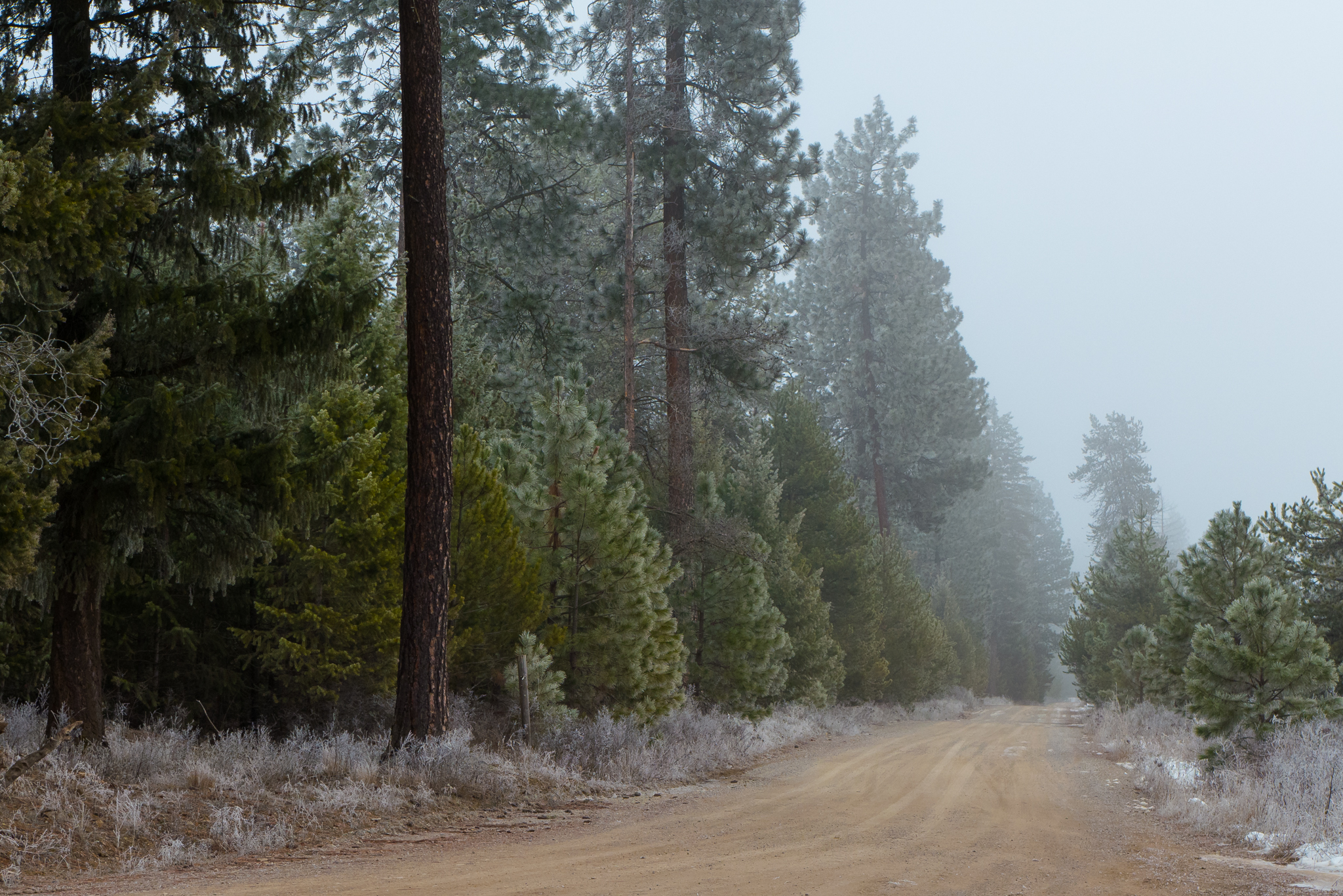
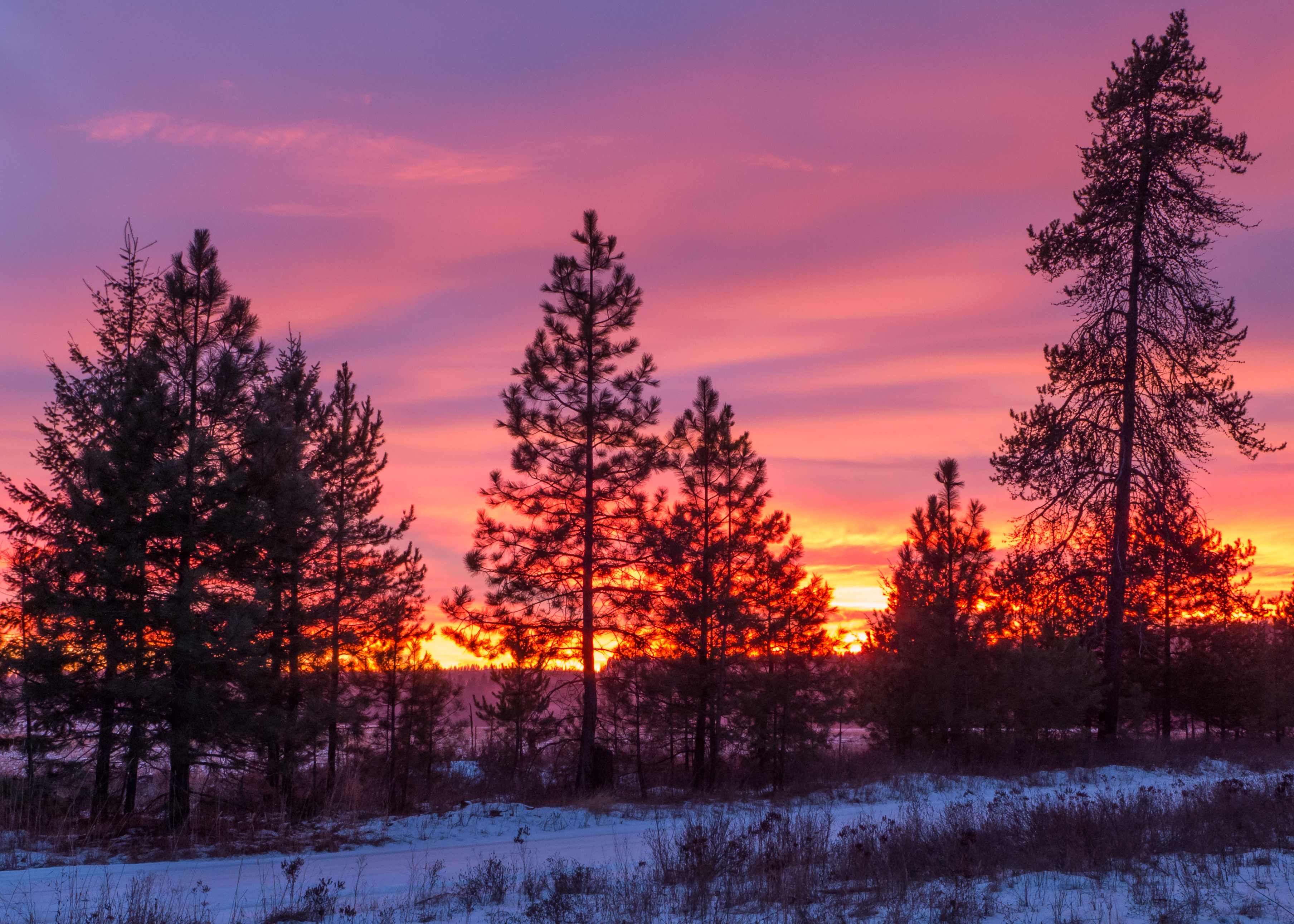
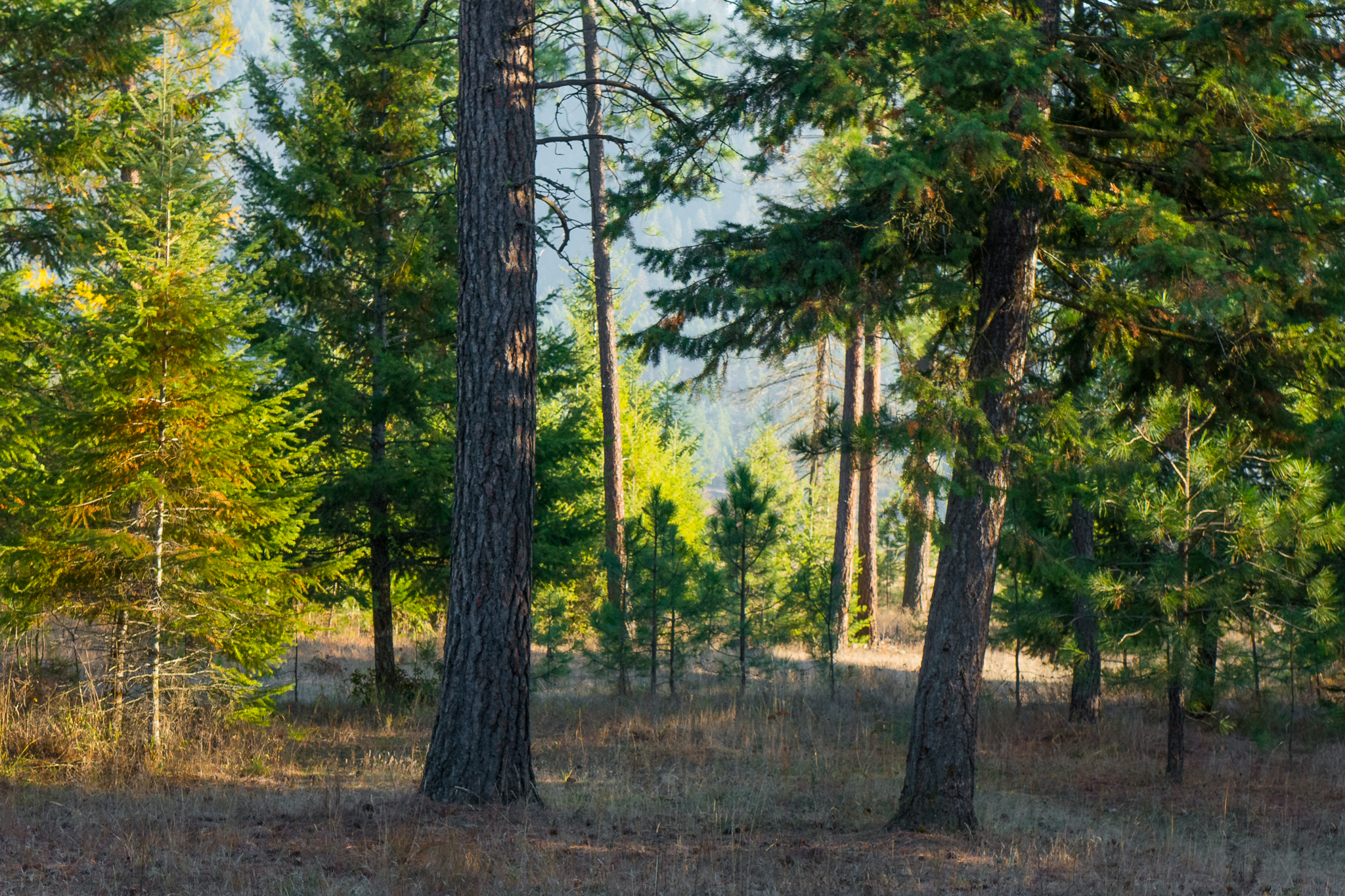
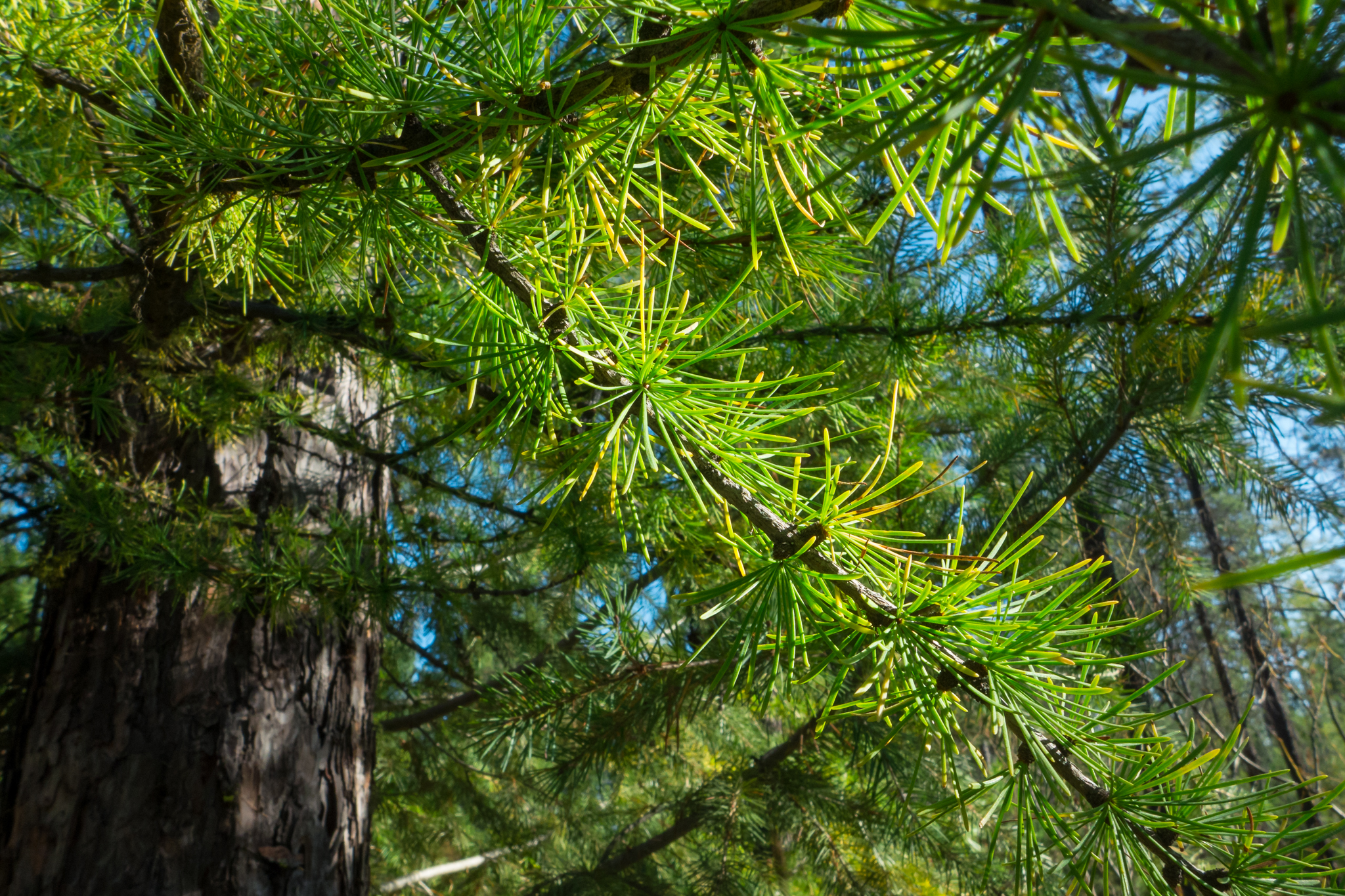
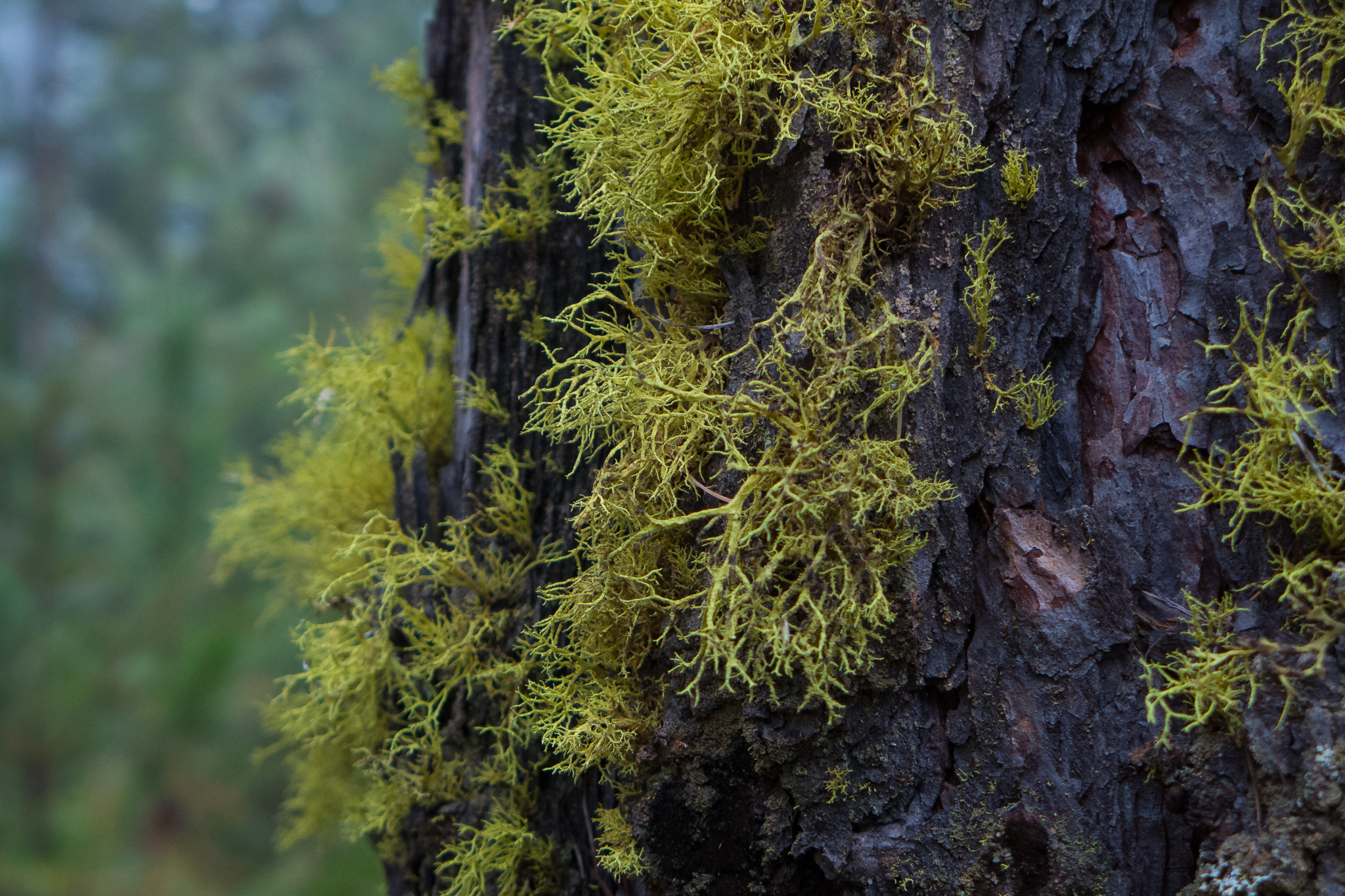
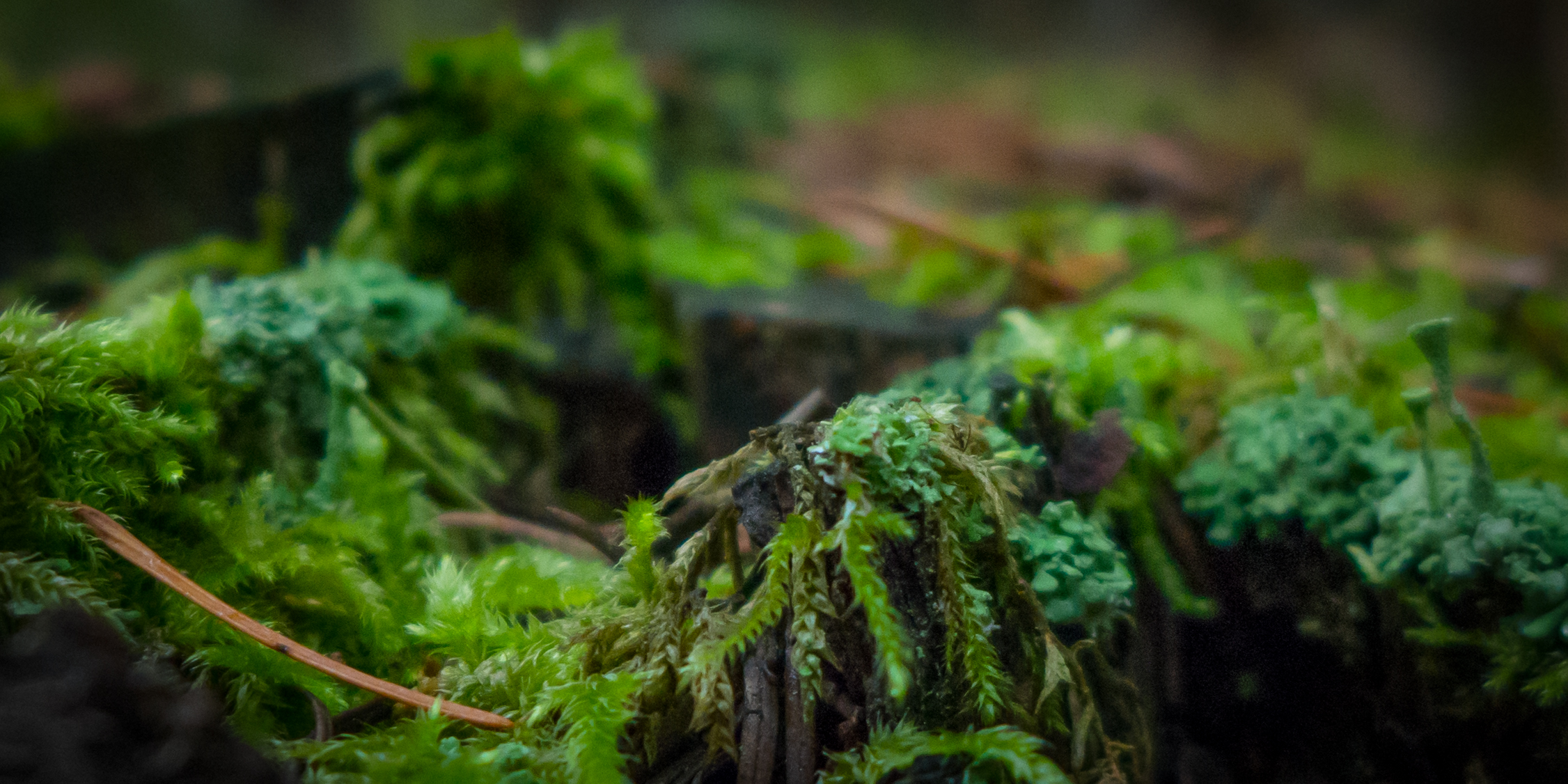
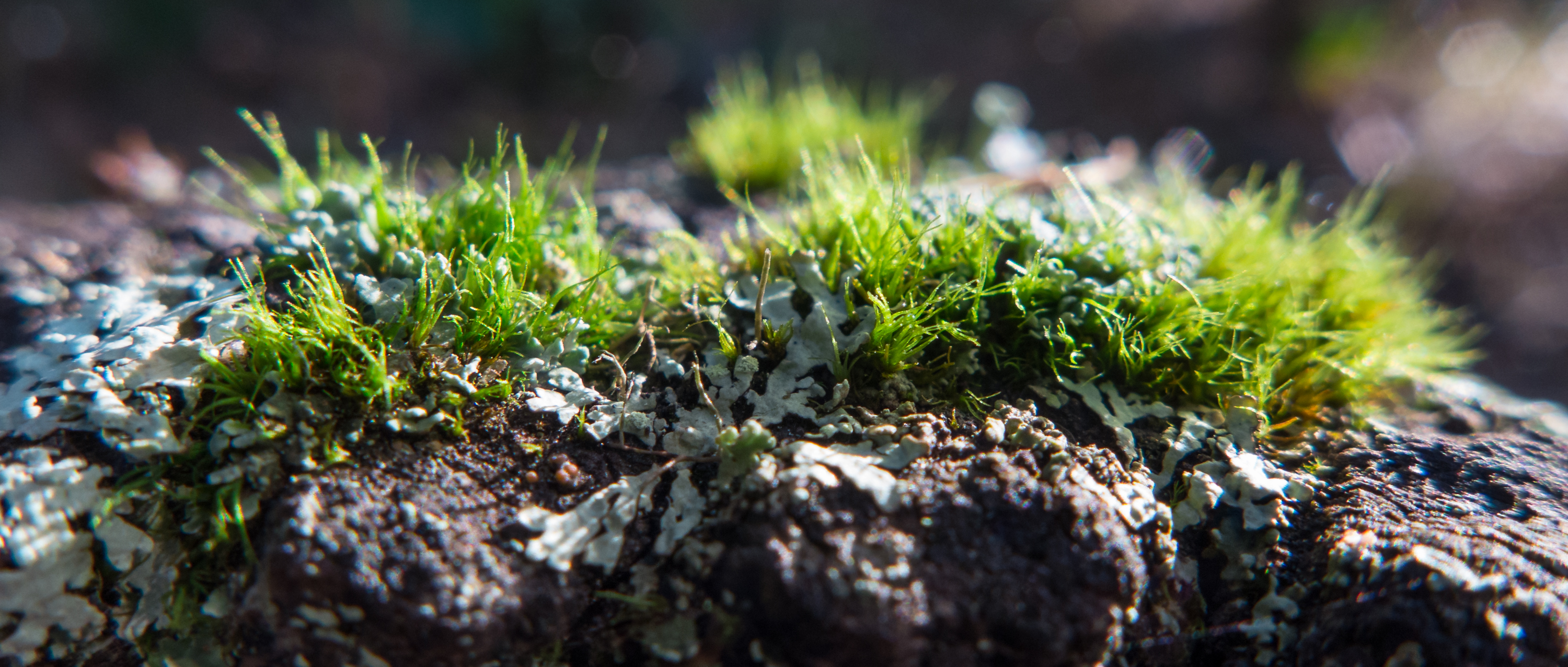
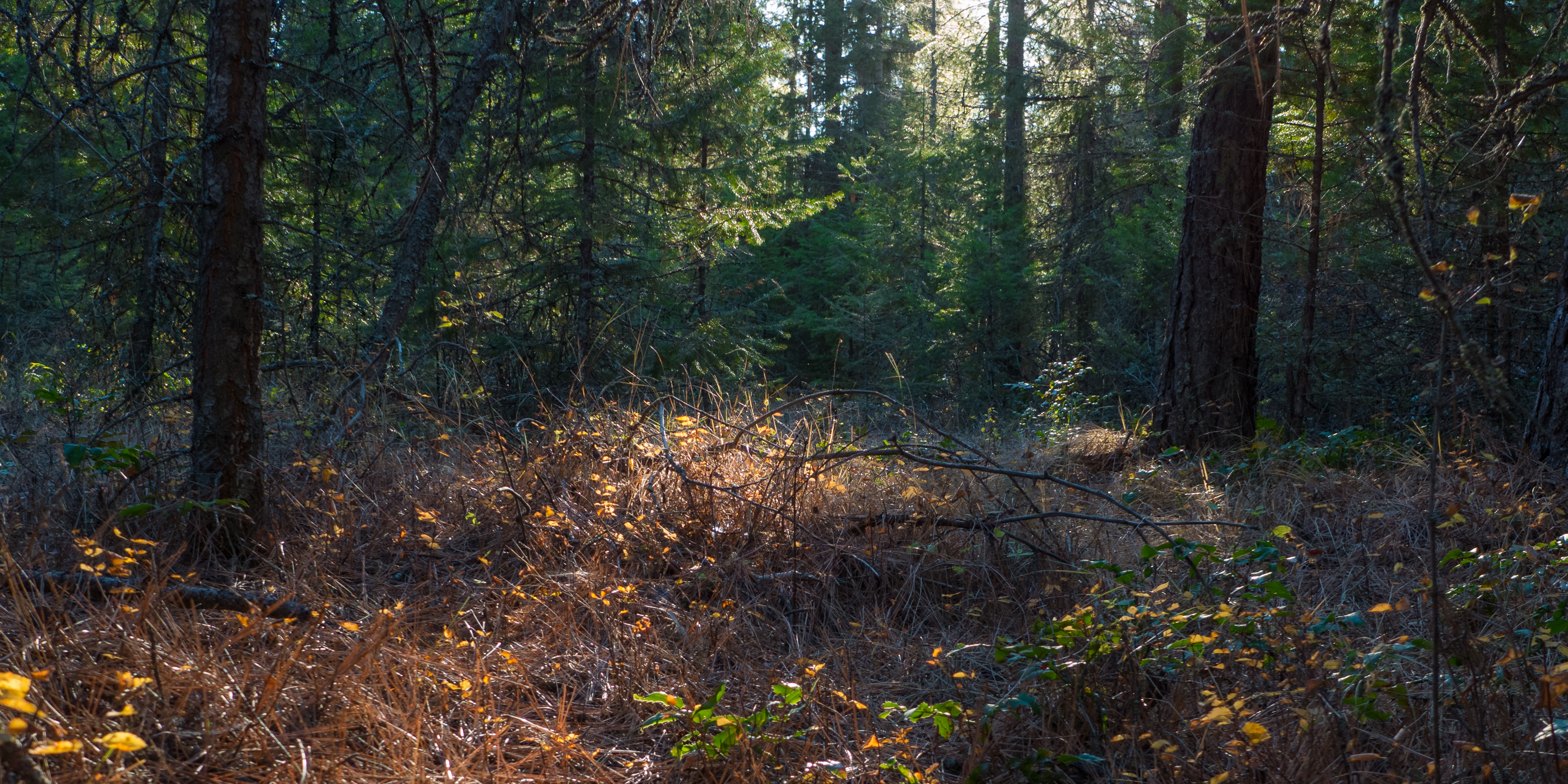
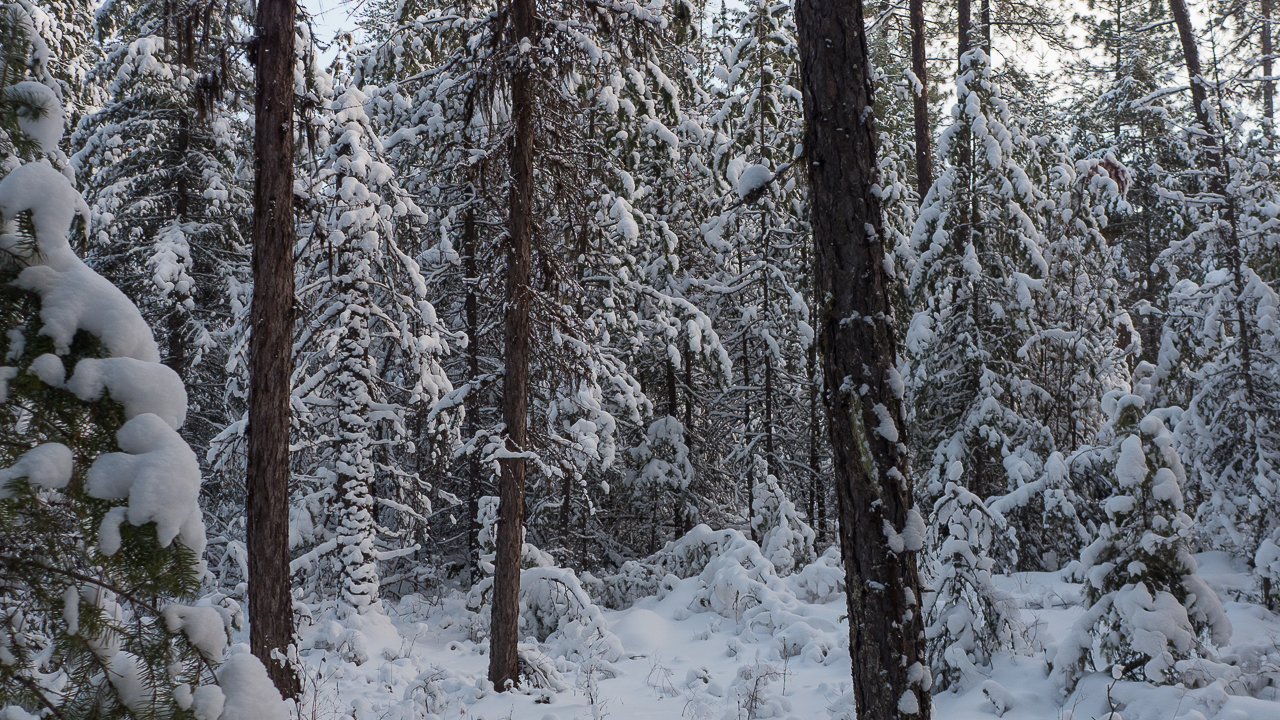
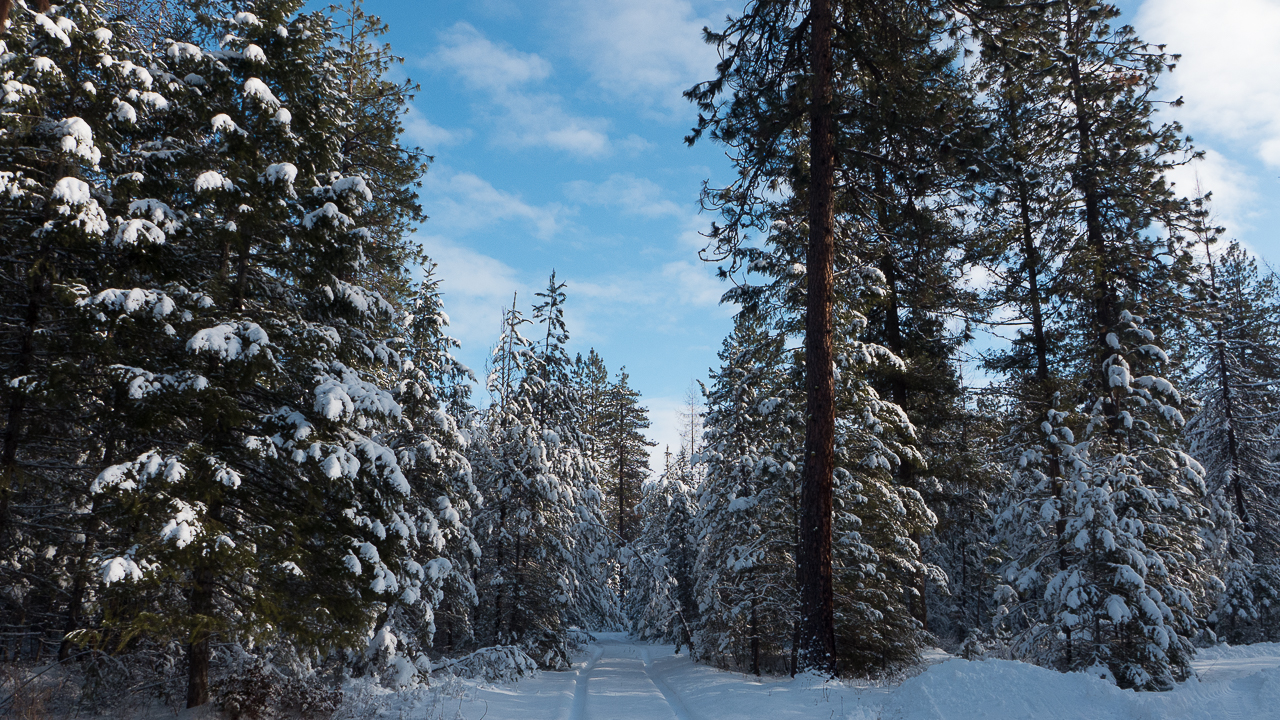
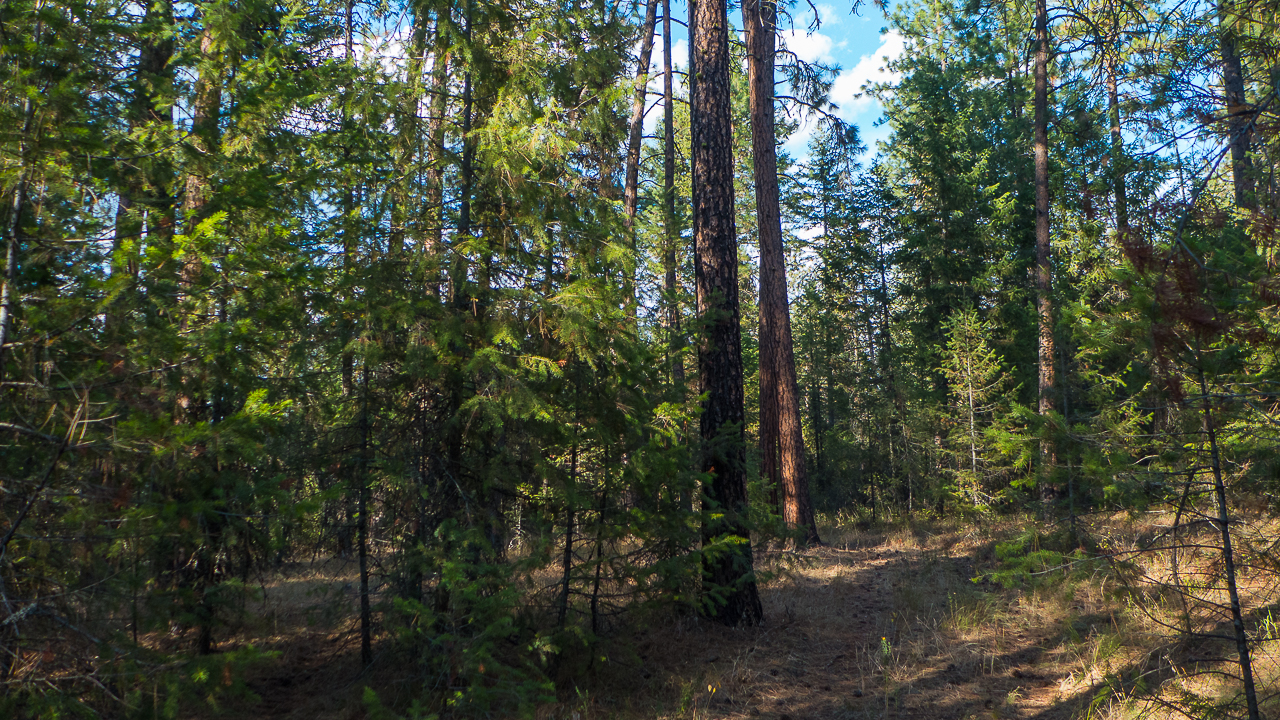
Having listened to your thoughtful and informative podcasts ever since they began, I’ve wanted to share my own beautiful place with you in the eight pictures below.1 These acres of conifer forest surrounding my home here in the inland Pacific Northwest have long been a sanctuary for the bear and cougar and all the other wildlife whose tracks I see in the winter snow and the soft earth of spring. For the bald eagles and owls and hawks who soar high overhead.
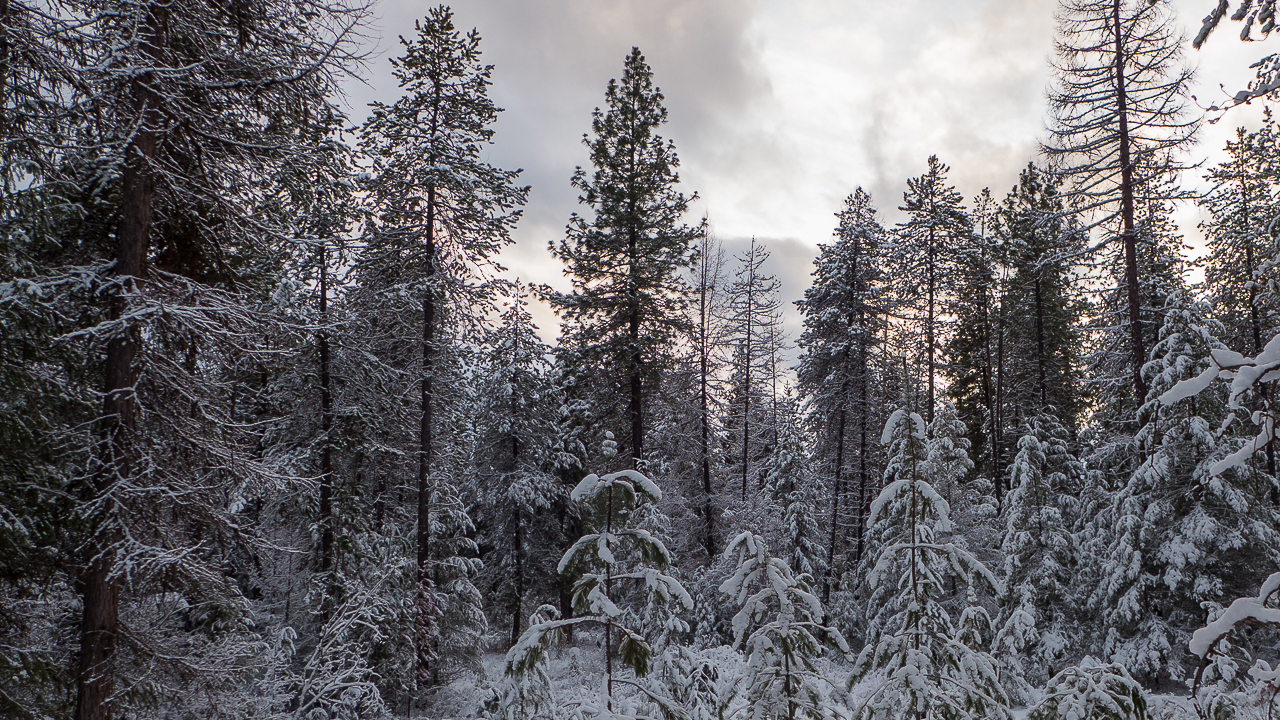
Winter pictures taken last week.

The challenges of our time still intrude here, with more wildfires each summer and a local population that remains mostly unvaccinated, even now. But these woods have been my sanctuary, too, as I’ve walked and worked and meditated beneath big pines, fir, and larch that were just saplings during the influenza pandemic of 1918. They were here long before me, and I’m doing what I can to give them a chance at still standing after I’m gone.
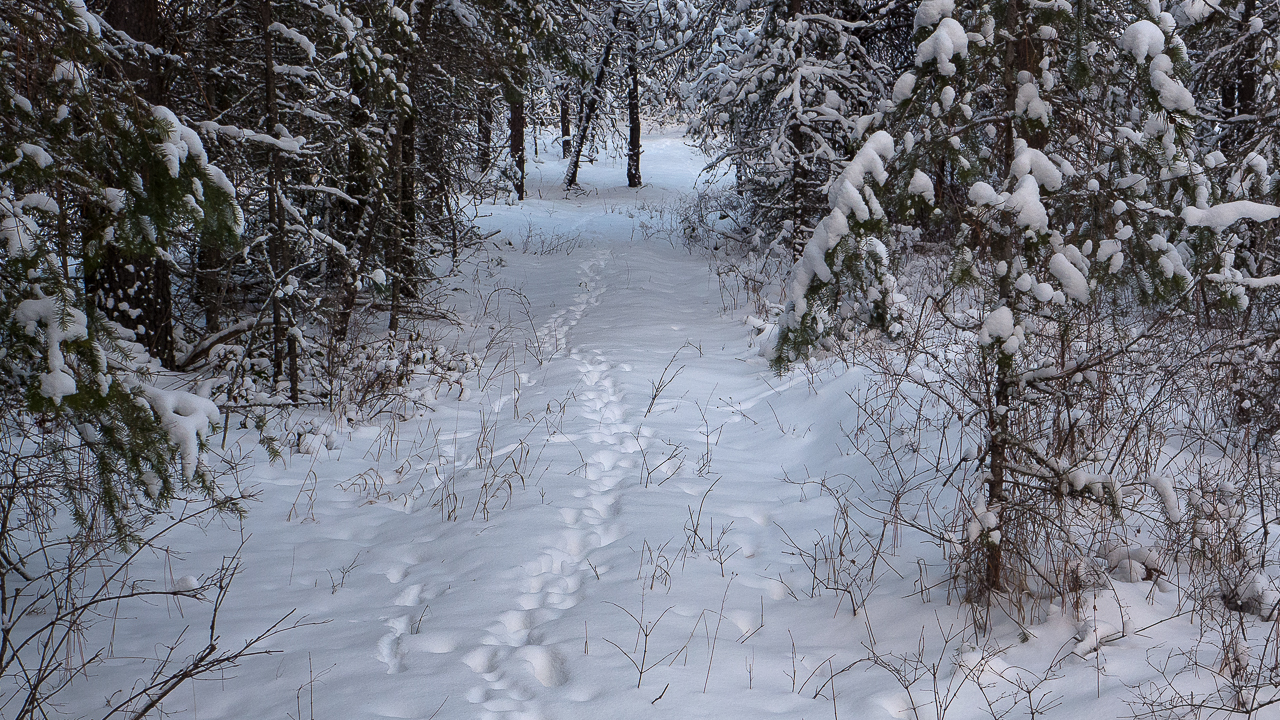
None of these tracks was made by a human.

After hearing you talk about your work on tallgrass prairie restoration and continuing to ask for listeners to share their beautiful places, I figured you’d appreciate seeing these photos of mine. For many hours, I’ve listened to your voice in my earbuds while controlling noxious weeds, harvesting deadfall for firewood, and thinning the smaller trees that are too close together to thrive. Yours has been a comforting but also honest voice, keeping me informed without sugarcoating the bad news about each wave of new cases, without ego, without false promises. Thank you for the work you do.

———

I would like to be equally honest and continue with some words that are not intended for you to read on your podcast but for you to take into your heart as you inform the public each week about the dangers of the SARS-CoV-2 virus.

It’s about the devastating persistent symptoms that so many people are now enduring after their often mild acute infections. They gave it a name, Long Covid, to describe month after month of terrifying mental and physical limitations, of a fatigue that often goes far beyond just a sense of being tired all the time. Many of them experience this so-called fatigue as a relentless profound exhaustion that leaves them utterly spent after basic household tasks, or even getting out of bed to go to the bathroom. Their brains are fogged, their ears are ringing, their noses don’t work, their bodies have become prisons of pain and loss and disability.

This open letter is for them, to give voice to what they know all too well. And in hopes that our public health experts will finally start to talk about what has happened to them, and is happening right now to so many more.

For the people like PJ Morrison, who has been dealing with the aftermath of her Covid-19 infection for 22 months now. In the early stages, she felt “like her veins were on fire–pulsating and raised.” That has mostly quietened down, apart from those in her hands and ankles. “My feet and hands don’t work well now,” she says, and she can no longer dance or run or even put on a coat without help. She’s looking for the small wins where she can, like last month when she celebrated managing to get in and out of the bath unaided and six weeks earlier when she was finally able to walk without pain.2
Byn Always (that’s her real name, under which she’s written a couple of books) knows all too well about the limitations imposed by Long Covid. A doctor visit just sent her to bed to sleep for 33 of the 36 hours afterwards, “unable to even sit up for more than ten minutes while awake.” If she goes beyond her strict energy budget, she winds up with vocal tremors so severe that she can barely talk. The limitations extend beyond the physical realm; she used to love to read but now her brain fog gets in the way of that.

As with most long haulers I’ve corresponded with, it’s not just what Byn can’t do anymore, but also the many unwelcome sensations that impose themselves on her. She gets an “internal buzzing” and tinnitus that comes and goes, and her eyes sometimes hurt, feeling “like someone tried to jab them from my eye sockets all night.” She’s in her early 50s, a mother of five.3

Of course all this is affecting their ability to work, and that adds another level of emotional as well as economic pain. Marjorie Roberts says she and her fellow longhaulers “are being punished for contracting this awful virus which has changed our lives forever.” She’s been fighting for an unemployment hearing since April 2021, after contracting Covid in March 2020, “at my place of employment but was denied benefits.” She was told–undoubtedly by somebody who either does not know or care about the need for rest to avoid post-exertional malaise–that contracting Covid-19 was not a valid reason for her to resign. She now lives with disabling daily fatigue, as well as spots in her liver, nodules and sarcoidosis in her lungs, and the loss of seven teeth. She feels ignored and discarded.4

I could go on with quite a few more of these stories, just from people I’ve interacted with personally online, like Daria Oller, a physical therapist and athletic trainer who got sick on March 15, 2020 and went through a period when her post-exertional crashes left her unable to lift up her head, sometimes even to speak. She’s doing better, though “nothing like who I use to be” and now dealing with a significant setback from a recent reinfection. She’s 37.5
Like Denise Martin, 54, who was infected in April 2020 and then again in November of 2021–after being vaccinated. She’s retired after a 28-year nursing career and was already living with chronic illness before Covid came along. Never hospitalized, hers would have been classified as one of those “mild” cases, but she’s traumatized from the experience of struggling to breathe, and now struggles to even get out of bed.6

I’ve read firsthand accounts by hundreds of others.

Dr. Osterholm, you surely must know that this is not a rare thing. According to a meta-analysis of dozens of studies that was just released ahead of publication in Brain Behavior and Immunity, about a third of people are experiencing that symptom so innocuously labeled as “fatigue” three months after their Covid-19 diagnosis. Just over a fifth of them are exhibiting cognitive impairment at that point.7

These figures are disturbingly high, but they match what was already revealed by another multi-study review published in JAMA Network Open: Infectious Diseases back in October. There, the median prevalence for “fatigue or muscle weakness” was found to be around 38%, and around 17% for cognitive impairment. The authors determined the median prevalence of overall Post-Acute Sequelae of Covid-19 to be around 50%, a figure that changed little when looking at short, intermediate, and long-term time periods.8

The commonly accepted conservative estimate is that 10% of people with Covid-19 will go on to develop Long Covid.9 With 60 million reported cases in the U.S., even that much lower figure equates to several million of our fellow citizens now facing long-term consequences of having been infected. These are terrifying numbers. And as you often say when speaking about Covid-19 death statistics, they represent much more. They are loved ones and friends and actual human beings.
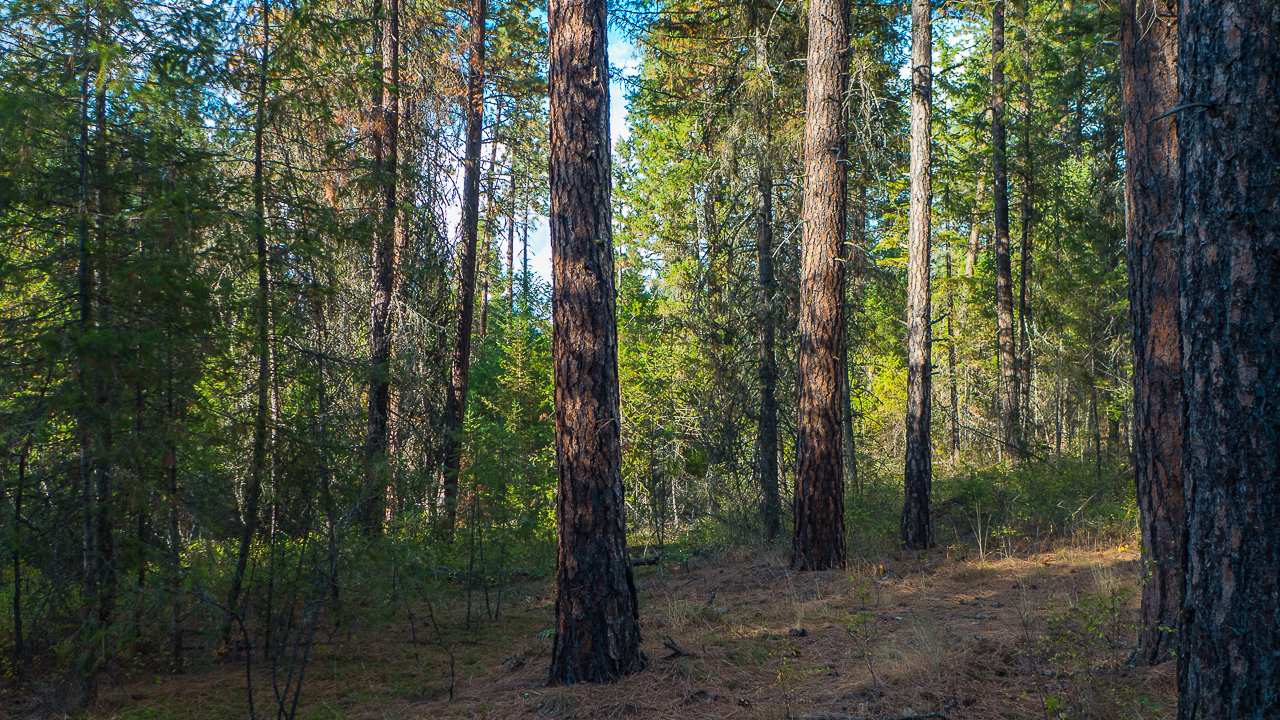
Before the snow, September 2021.

How can any epidemiologist not talk about this?10 Just from the aftermath of the Delta variant, we are very likely facing a national and global wave of largely hidden adversity and disability not seen in any of our lifetimes. And we just don’t know yet whether Omicron will result in less Long Covid, do we? Hopefully so, but as you like to say, hope is not a strategy.

———

Well, OK, but we have the vaccines, now, right? Still providing some decent protection against “severe disease” and death. Unfortunately, the studies are showing that Long Covid remains a significant risk even for infections that occur after vaccination.

You’ve acknowledged that these so-called “breakthrough” cases are not rare and have been warning for months about the danger of variants evading our vaccines. Well, Omicron has shown that your crystal ball isn’t quite as mud-covered as you modestly protest. It appears that those of us with all three shots of an mRNA vaccine still wind up about half as likely to be infected by this highly transmissible new variant as people who never got vaccinated.11 That means a lot of breakthrough cases heading our way.

With those odds of being infected by the variant that is exploding across the country now, it seems that we really ought to be paying attention to how much risk of long-term sequelae a post-vaccination infection entails.

Let’s get one important thing out of the way: There are definitely fewer firsthand accounts on Twitter and Reddit from people who developed Long Covid from a post-vaccination infection. I’ve seen just a handful rather than hundreds. Two of them responded to an inquiry I posted on Twitter.12

One had her sense of smell and taste disturbed for three months, with the common “rotting flesh” scent and almost everything tasting and smelling awful. Things appear to be improving now.13 Another correspondent, a fit middle-aged man in Texas who’d gotten all three shots before he was infected, was “fatigued, fogged, no appetite, ear ringing and worried this won’t get better” for two weeks. He has started feeling better now in his third week, though the fatigue still hits him as the day progresses.14

I want to be respectful with the stories of these two people who have reached out to me. You don’t want to be infected by this nasty little pathogen if you can possibly help it, vaccinated or not, but these are not the kind of traumatic and disabling outcomes that Daria and Byn and Marjorie are living with. For them, vaccine protection is a cruel fiction, a life preserver that never made it into the water before some part of them drowned.
Unfortunately, the studies are leaving us with little room for complacency even when it comes to breakthrough cases. One published in The Lancet showed that the risk of symptoms lasting more than four weeks is approximately halved for those who were infected after a second vaccine dose.15 We are talking about long-term consequences of an infection, and I view that glass as half empty, not half full. The work being done by Dr. Maxime Taquet and his colleagues at the University of Oxford suggest that it’s mostly empty, with no statistically significant reduction in risk for developing many Long Covid symptoms six months after a breakthrough vs unvaccinated infection, and little reduction for almost all symptoms.16

Some studies have shown a modest protective effect, such as one posted just a few days ago by researchers at Bar-Ilan University in Israel, where both testing and vaccination rates are high.17 They found the usual disturbingly high occurence of people reporting a less than full recovery, about a third, with those “fully vaccinated . . . 36-73% less likely to report eight of the ten most commonly reported symptoms.” As with The Lancet study, the observed risk reduction was, in aggregate, about half.18 Doesn’t seem all that reassuring.

The individual symptoms are what stand out to me, though. Remember that little word “fatigue” that is plaguing and limiting the lives of people like Daria or even my Texan correspondent three weeks after his triple-vaxxed breakthrough case, both of them with more than half their lives ahead? It showed up at basically the same rate, vaccinated or not, for those in their age bracket, and around 40% as much overall. Same for the “loss of concentration” that’s keeping Byn from reading like she used to. Same for the “persistent muscle pain” that PJ understands all too well.19

Another study (still in pre-print, as with most of the research happening in this fast-changing area) of breakthrough cases recorded in the VA health system showed a similarly discouraging lack of risk reduction. It was not even statistically significant for symptom clusters labeled “Neurologic,” “Musculoskeletal,” “Mental Health,” “Kidney,” and “Gastrointestinal,” and barely so for our old friend “Fatigue.”20
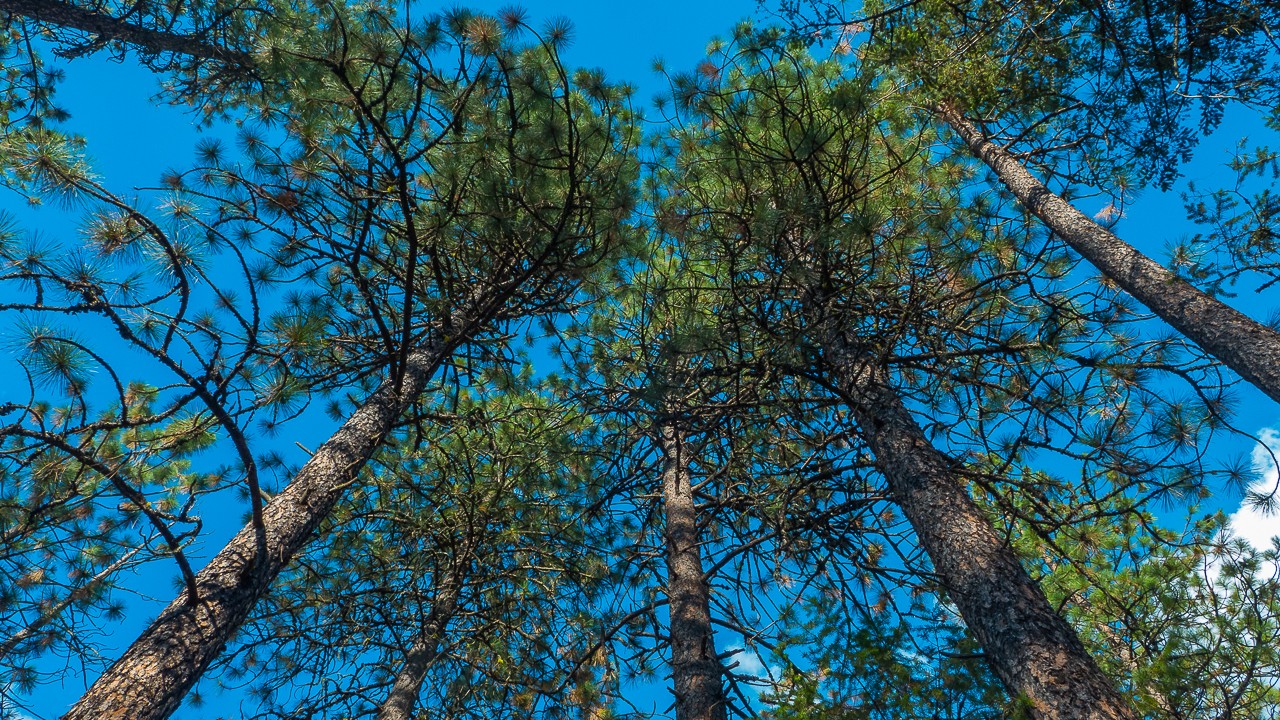
Do Look Up!

Why do your listeners never hear about any of this? It’s a question that honestly puzzles me. A person who has gotten their Covid-19 information exclusively from your podcast for the past year would be well served in many ways, but would not even know that Long Covid exists, much less what a significant threat it poses, even with the vaccines.

Dr. Osterholm, one of your strengths as a public health expert is your use of clear everyday analogies to describe difficult situations. As someone who has delighted at seeing big deep hoof tracks in these woods, I particularly liked how you told us a few weeks ago about the value of a good set of tires and brakes while driving down a country road where moose were likely to be crossing. It was a memorable way for you to warn us to be prepared for what’s coming with Omicron.

I’d like to suggest one more important piece of equipment: a pair of headlights. We can’t stop in time to avoid hitting something that we never see. A lot of people depend on you to let them know what is ahead. Considering the extreme risk we all face of being infected by this vaccine-evading variant, it seems we ought to be lighting the road ahead as brightly as possible.

With respect and appreciation,
Edwin A. Suominen
Triple-vaccinated, still uninfected, and worried

Notes


  1. As with my other nature photography, I am releasing these photos under the Creative Commons Attribution-NonCommercial license. 

  2. PJ Morrison, Cork, Ireland. “Writer-Comedian-Poet–in a body that doesn’t work so well–needing humour & strength to escape those telling me “ah sure it’ll be grand,” https://twitter.com/​wastelessme

  3. Byn’s Weird Brain, Midwestern USA. “Longcovid knocked me on my ass (early 2020 & counting) I don’t even know who I am anymore,” https://twitter.com/​BynThereDoneTht

  4. Dr. Marjorie Roberts, Georgia, USA. “Mom, wife, veteran, covid-19 survivor, advocate,” https://twitter.com/​DrMarjorieRobe1

  5. Daria Oller, PT, DPT, ATC, New Jersey. “Physical Therapist, Athletic Trainer, Tap Dancer, Runner, Burlesque Performer, Education Co-Director Long COVID Physio,” https://twitter.com/​OnTapPhysio

  6. Denise Martin, Bristol, England. “Mental health campaigner. Retired mental health nurse. Ginger cat lover,” https://twitter.com/​whatsdeedoing

  7. Ceban F, Ling S, Lui, LMW, et al. “Fatigue and Cognitive Impairment in Post-COVID-19 Syndrome: A Systematic Review and Meta-Analysis,” Brain, Behavior, and Immunity (2021 Dec 29), https://doi.org/​10.1016/j.bbi.2021.12.020

  8. Groff D, Sun A, Ssentongo A, et al. “Short-term and Long-term Rates of Postacute Sequelae of SARS-CoV-2 Infection A Systematic Review,” JAMA Network Open: Infectious Diseases (2021 Oct 13), https://jamanetwork.com/​journals/jamanetworkopen/​fullarticle/2784918

  9. See, e.g., Dr. Nisreen Alwan’s Tweet of January 7 about the situation in the UK: “A reasonable conservative prevalence of LC (>3m) is 1 in 10 out of all those infected. This is based on updated ONS estimates in Sep 2021,” https://twitter.com/​Dr2NisreenAlwan/status/​1479566880197206022

  10. It’s been over a year since Episode 24 (“Long Haulers”), and it just doesn’t seem to get mentioned on the podcast anymore. 

  11. For Moderna, see Hung Fu Tseng, Bradley Ackerson, Yi Luo, et al. “Effectiveness of mRNA-1273 against SARS-CoV-2 omicron and delta variants” (2022 Jan 8), https://www.medrxiv.org/​content/10.1101/​2022.01.07.22268919v1. The two doses most “fully vaccinated” people have has a VEI of around 30% at best (i.e., they have about 70% the risk of infection as someone unvaccinated), dropping to zero after six months. The third shot starts out above 60% VEI, dropping to 49% for those who received it on or before October 21, 2021.

    These results are if anything optimistic compared to the findings of the UK Health Security Agency’s 31 December 2021 briefing, which shows a third shot of the Moderna (mRNA-1273) vaccine having an initial efficacy of around 60-75% against symptomatic infection. The efficacy (again, against symptomatic infection) with two shots of Pfizer (BNT162b2) drops to essentially zero after 20 weeks. With a third shot, it starts out at around 65% and drops to around 50% by the tenth week.

    These are of course both pre-prints; Omicron appeared just six weeks ago. 

  12. My inquiry Tweet (with a thread of follow-up Tweets) was seen almost 25,000 times, yet resulted in just two reports of lingering symptoms after breakthrough infections that I was able to follow up on. This runs counter to my overall narrative, but must be discussed candidly. https://twitter.com/​edsuom/status/​1478058813873799169

  13. Lisa Joseph, https://twitter.com/​LisaJos21457910

  14. https://twitter.com/​WallStCrime

  15. Antonelli M, Penfold R, Merino J, et al. “Risk factors and disease profile of post-vaccination SARS-CoV-2 infection in UK users of the COVID Symptom Study app: a prospective, community-based, nested, case-control study,” The Lancet: Infectious Diseases (2021 Sept 1), https://doi.org/​10.1016/S1473-3099(21)00460-6. See esp. Figure 3. 

  16. Taquet M, Dercon Q, Harrison P, “Six-month sequelae of post-vaccination SARS-CoV-2 infection: a retrospective cohort study of 10,024 breakthrough infections” (2021 Nov 8), https://doi.org/​10.1101/2021.10.26.21265508

  17. Kuodi P, Gorelick Y, Zayyad H, et al. “Association between vaccination status and reported incidence of post-acute COVID-19 symptoms in Israel: a cross-sectional study of patients infected between March 2020 and November 2021” (2022 Jan 6), https://doi.org/​10.1101/2022.01.05.22268800

  18. As with all of these observational studies, the picture is a bit clouded by complicating factors. Participants were self-selected with a low survey response rate, few had ever been hospitalized, some of them had a third shot or were infected before vaccination, and no children were included. And the paper leaves the nature of their “adjusted regression model” so unclear that I am choosing to ignore the adjusted results.

    “We adjusted for the difference in follow-up time and proportion of asymptomatic patients at the time of diagnosis between the groups. In addition, to take the anticipated age differences into account, the analysis was age-stratified and differences in the length of time from the beginning of symptoms to responding to the survey were adjusted for in the model.” Meaning what, exactly? 

  19. Table 3: “Crude and adjusted risk ratios for the most frequent post COVID symptoms among partially and fully vaccinated participants compared with unvaccinated ones.” 

  20. Ziyad Al-Aly, Benjamin Bowe, Yan Xie, “Long Covid after Breakthrough COVID-19: the post-acute sequelae of breakthrough COVID-19” (2021 Nov 15), https://doi.org/​10.21203/rs.3.rs-1062160/v1

Friday, July 29, 2016

Galaxy Gazing

I think that the dying pray at the last not “please,” but “thank you,” as a guest thanks his host at the door. Falling from airplanes the people are crying thank you, thank you, all down the air; and the cold carriages draw up for them on the rocks. Divinity is not playful. The universe was not made in jest but in solemn incomprehensible earnest. By a power that is unfathomably secret, and holy, and fleet. There is nothing to be done about it, but ignore it, or see.
—Annie Dillard, Pilgrim at Tinker Creek1
The Milky Way from my driveway

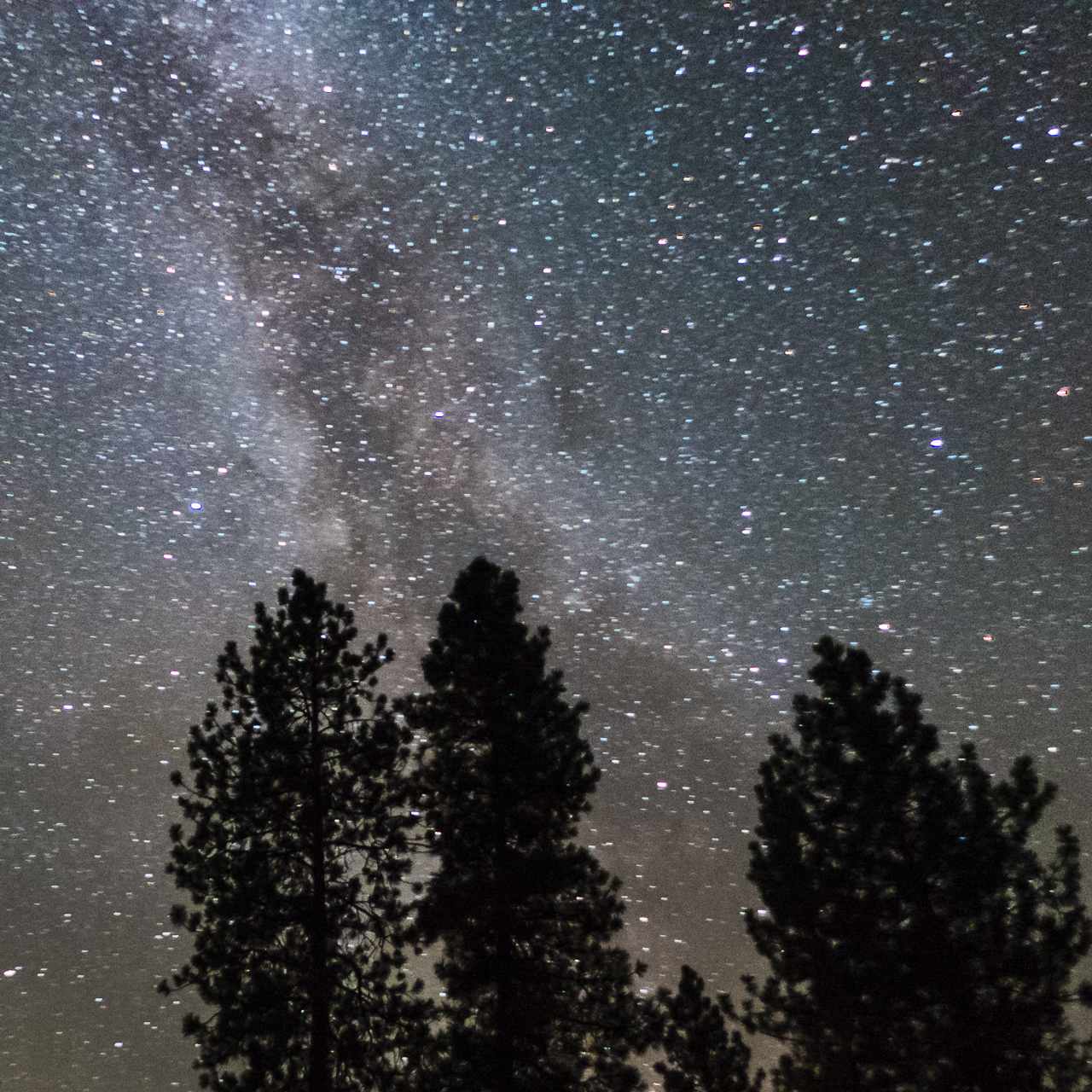
Tonight, with clear weather and no moon around, I am up late to look at a dark sky with the first decent pair of binoculars I’ve ever owned. The vaguely textured white blur of the Milky Way that my eyes have long admired, unmagnified, now resolve through the 10x binoculars into clusters of countless stars with crisscrossing fuzzy ribbons of black woven in between.

I pan the circular field of view slowly along our galaxy’s long overhead arc, immersed in the depth I sense above me from my two eyes merging a single image. There’s a satisfying tangible connection between the fine motions of my arms and the slow sweeping past of this collection of a hundred billion stars in our little corner of the universe.

A dim smudge near Cassiopeia teases my eyes’ limits of sensitivity and resolution. I think it’s M52, a globular cluster a few thousand light-years away. It was first identified by Charles Messier in 1774. The photons I’m collecting in my binoculars tonight from its 193 or so stars were more than 90% of the way here when Messier peered through his telescope. In the meantime, a nation rose through a rebellion and then quashed one of its own; enslaved, freed, and still long oppressed a large fraction of its citizens; conquered its native peoples and then rescued others from conquest in two world wars.

The smudges are clusters of countless stars.2

These photons had already emerged from their nuclear furnaces by the time some settlements along the river Tiber formed the first humble beginnings of the Roman empire.3 Their journey may even have been halfway underway by then; we’re not sure exactly how far away M52 is from us.4

It’s been a little more than two thousand years ago since a citizen of that empire, a gifted poet and philosopher, stood next to some pool or pond beneath the night sky. The skies anywhere in Europe were darker than they are now, even at my place out in the country. I imagine Titus Lucretius Caras (c. 99-55 B.C.) looking at an image of the blazing array of stars overhead, seeing their “images,” which, he muses, must “be able to run through space incalculable / In a moment of time.”5

The pointpoints and patterns of the stars are mirrored in the still water before him, “not turned round intact, but flung straight back / In reverse,” with the features thus shown “in reverse.”6 He moves slightly to one side along the water’s edge and notices how one particularly bright star near the horizon comes abruptly into view from behind the tree. Its direct image and its reflection both wink on instantly–at exactly the same time, as far as he can tell.7

A smooth surface of water is exposed

To a clear sky at night, at once the stars

And constellations of the firmament

Shining serene make answer in the water.

Yet he knows that the “images” raining down from the sky take a longer route when they make the extra trip to the water and back than when they go directly into his eye.

Now do you see how in an instant the image

Falls from the edge of heaven

to the edge of earth?

Wherefore again and yet again I say

How marvellously swift the motion is

Of the bodies which strike our eyes

and make us see.8

Those image-bearing bodies are “marvelously swift” indeed. They move 186,000 miles–more than 23 earth diameters–through the vacuum of space every second. Yet the immense vault of our universe is so incomprehensibly vast that it’s taken most of the span of human civilization for them to reach us, from a relatively nearby neighbor within just our own galaxy (there are at least a hundred billion others).9

My kind of nightlife

Silent and impassive to all the twitches and ripples in the microscopic biofilm of one ordinary planet, in the hundreds of years since Messier noticed this odd feature among the stars–in the thousands filled with death and wars and tears of joy and sorrow since Lucretius did his ancient poolside musings–the photons from its clustered stars continued their long journey outward. Only now do they finally land on my retinas to collapse wave functions and trigger individual rod-shaped cells to launch neurotransmitters down neighboring filaments of cell-strings along my optic nerves.

In my brain, a little smudge registers. Something’s really up there.

The stars in M52 will keep launching their photons all my life, as they have for 35 million years now. They’ll get lost in the sea of light that covers and warms the daylight half of earth, fall through clear skies over the other half in darkness, and remain ignored almost always, as the earth swings around its own little star a few dozen more times until my eyes no longer see anything at all.

And yet, despite my absence, the earth will stay in its orbit and the photons will stream on.

Notes


  1. Does it surprise you to see such ringing words of spirituality as the epigraph to an atheist’s essay? Such prose retains its profound beauty regardless of one’s disagreements with its message. And even with no God in the picture, I am still happy to call whatever was behind the Big Bang, or the quantum fluctuation that unleashed the Big Bang, or whatever was behind that, a “power that is unfathomably secret,” even holy, filling me with a sort of reverence as I gave upwards at night. 

  2. There’s also some light pollution near the horizon, even out here, miles from the nearest city. I’ve tried to de-emphasize it with reduced yellow and green luminance. 

  3. en.wikipedia.org/​wiki/Ancient_Rome 

  4. Because “this cluster is in the plane of the Milky Way,” our available “methods of determining distance are too uncertain,” some yielding estimates “as small as 3,000 light years, while others are as large as 7,000” (Ethan Siegel, “Messier Monday: A Star Cluster on the Bubble, M52,” ScienceBlogs

  5. Lucretius, Book IV, line 191. From On the Nature of the Universe, Ronald Melville, trans. (Oxford University Press). 

  6. Book IV, lines 295-99. 

  7. It’s not exactly the same time, of course, something I remain well aware of as an electrical engineer with a radio background. Indeed, engineers rely on the known and limited speed of light to do antenna design with all of its resonant and carefully spaced conductive elements. Quarter-wavelength spacings abound. 

  8. Book IV, lines 210-17. 

  9. “How Many Stars Are There In the Universe?”, European Space Agency. I’ve seen another dim smudge out there in the night sky from the nearest of those other galaxies, Andromeda. Its photons took millions of years to reach me instead of thousands. 


Friday, July 4, 2014

Midway

As mortals by eternal give and take.
The nations wax, the nations wane away;
In a brief space the generations pass,
And like to runners hand the lamp of life
One unto other.
—Lucretius, On the Nature of Things (c. 50 BC)
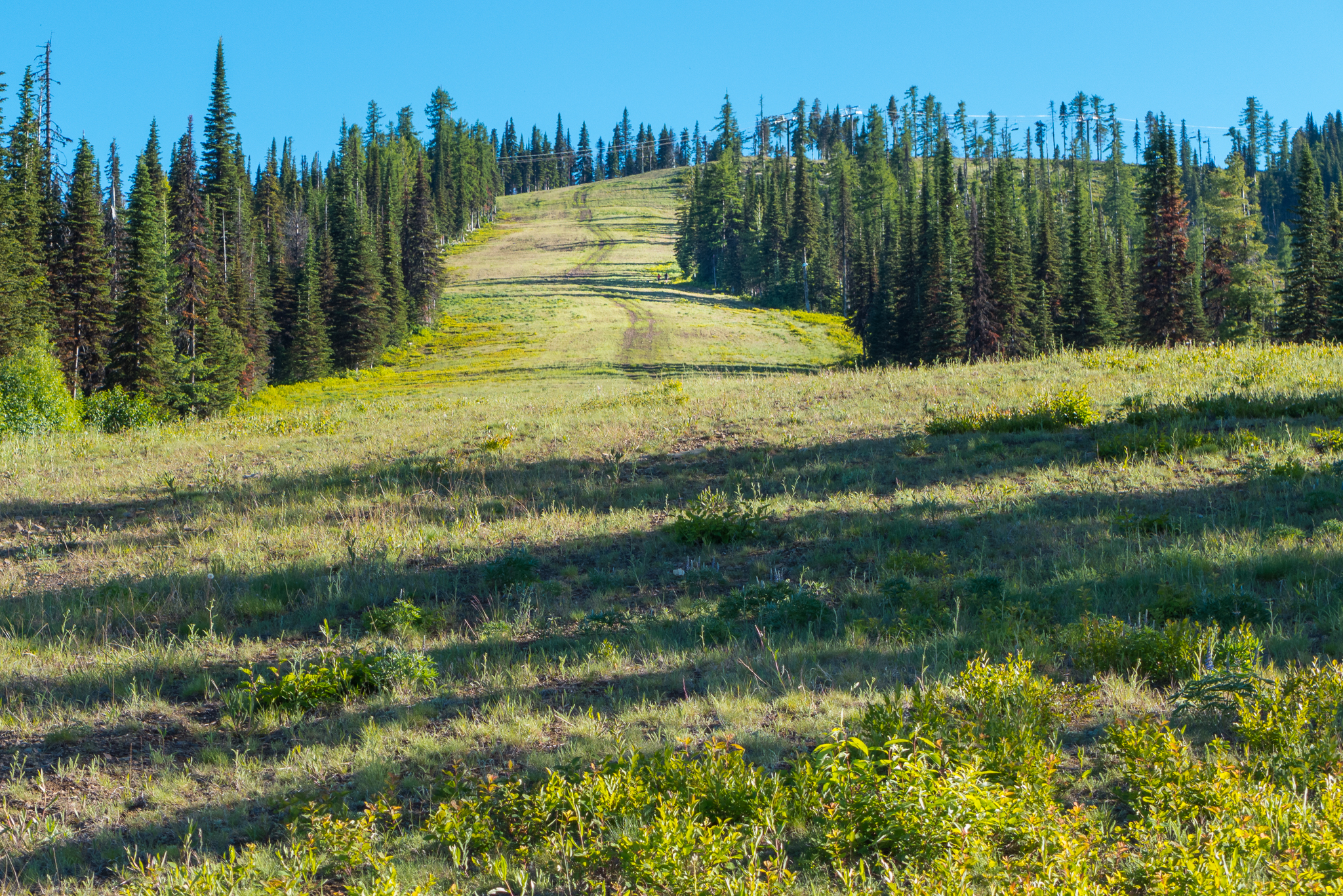
Ski Slope  [Flickr page]

Two of my children are hiking up my favorite ski run to the top of a 5773-foot mountain in Washington’s beautiful Colville National Forest. I joined them for the first part of the climb, starting at 3900 feet, but after bushwacking through thick shrubbery because one of us (not me!) decided to be adventurous, I’m happy to wait for them at the midway point.

See them now? (Detail from photo above)

There are people who will never sit on a mountain meadow in the long shadows of nearby trees, surrounded by a vast open vault of cool clean air filled with silence. What good fortune for me to be doing so on this beautiful day! It is a simple act of pure exuberant living, to climb even partway up this big hill on a Summer afternoon.

I sit on the soft ground, cushioned by some of the leafy little plants whose modest growth the maintenance crews allow here. In seven months, people will be skiing over this very spot. I have done so myself, probably more than a hundred times. Here is the place where I carve a long, joyous, final turn onto the catwalk, heading toward the lift after the thrill of a fast run pretty much straight down this wide smooth terrain.

Hopefully there are many more such runs in my winters ahead. (Better those than the other kind!) But I’ll probably never again have a season with 26 days on the slopes, as I did a few years ago. At the end of one of those glorious days, I sat on the tailgate and realized that, someday, the boots from which I was extracting my aching feet would stay off for good. After that final day of skiing, whenever it arrives, I will never put those boots back on again. These things tug at the middle-aged mind.

Down in the Meadow  [Flickr page]

There is no avoiding the fact that many wonderful things belong more to my past than my future now. And so what? I am at the midpoint of a life filled with blessings (as my religious friends would put it) beyond measure. What I have already experienced—crewing on a 35 foot sailboat from San Diego to Hawaii at age 17, conceiving eleven kids and several commercially successful inventions, writing a couple of books, befriending a fascinating variety of people, living among the tall pines of Eastern Washington—is worth a lifetime of gratitude. And yet there is more to come!

Siblings  [Flickr page]

You may not have done these particular things, but you have your own highlights to look back on. Savor what makes your life unique as you progress through it, even if you are engaged in a struggle to make the rest of it far different than it’s been so far. You will never get anyone else’s life but your own to live in. Make the most of what you have.

I smile to think of my various friends with all their unique experiences that I am, and must be, content not to share. The extremely handsome one I was with recently at a restaurant, where two women gaped and gasped as he stood up after our meal. The young one who is beginning a career full of promise, and the old one who has a mind full of wisdom and memories. The wealthy one whose character is as rich as his finances. The not-wealthy one who smiles at me on a break from the hot and grubby job he loves as he tells me about time spent with his son doing volunteer work. The two who cheer on their kids at soccer games. The ones whose lives are filled with love from the family and lifetime friends they have in a church I no longer attend.

They all have their own little portals through which they can peer at the beauty of this world and the people in it. You have one, too, for now. Are you looking?

Ski Slope in Summer  [Flickr page]

A justifiably famous quote by Richard Dawkins says, “We are going to die, and that makes us the lucky ones. Most people are never going to die because they are never going to be born. The potential people who could have been here in my place but who will in fact never see the light of day outnumber the sand grains of Arabia.”1 It is a thought that strips away the ego and replaces it with wonder.

My two children vanish into the distance as they trudge upward to the summit without me. I watch and ponder the metaphor. At some point, barring some tragic interruption to the usual course of life, this will happen on a larger scale. They will continue their lives when mine has ceased, as mine now does without my own father. It is both sad and beautiful. It is the way of things.

Stand Against Forest  [Flickr page]

A hundred generations ago, Lucretius imagined nature’s frank response to the complaints of an old man about his coming death:

Away, you rogue, with all these tears and stop this snivelling. All life’s rewards you have reaped and now you’re withered, but since you always want what you have not got and never are content with that you have, your life has been unfulfilled, ungratifying, and death stands by you unexpectedly before the feast is finished and you are full. Come now, remember you’re no longer young and be content to go; thus it must be.2

I try and fail to grasp the enormity of it all, the vast reach of billions of years that have gone on almost entirely without my presence. As the Psalmist said about the omniscience of his God, such knowledge is too wonderful for me; it is high, I cannot attain unto it.3 I stare at the quiet fuzzy green of the meadow where the kids were walking. Eventually, they will disappear into the maw of time themselves, perhaps leaving their own offspring to treck a little further onwards.

Then I notice a pretty arrangement of leaves, and grab my camera for another shot. It’s a beautiful afternoon, right here and right now. This moment is a gift. I’ll take it, with gratitude.

———
Click on individual images to enlarge, or check out my Flickr photostream. All are Copyright © 2014 Edwin A. Suominen. You may freely use them for non-commercial purposes, with attribution, under the Creative Commons Attribution-NonCommercial 3.0 Unported License.

Notes


  1. The quote appears, for example, at Goodreads, which cites Unweaving the Rainbow: Science, Delusion and the Appetite for Wonder. It’s a book I have yet to read, but plan to in those years that hopefully lie ahead. 

  2. Lucretius, On the Nature of Things, Book III. Ronald Melville trans. Oxford University Press. 

  3. Psalms 139:6. 

Monday, June 2, 2014

Eventide

Beauty and grace are performed whether or not we will or sense them. The least we can do is try to be there.
—Annie Dillard, Pilgrim at Tinker Creek
Pacific Northwest Paradise  [Flickr page]

The sun is moving slowly downward and to the north on its gradual summer arc toward night. Under its warm and lowering light, the tall trees cast long shadows into the open spaces of the woods.

Tall Trees, Long Shadows  [Flickr page]

A familiar winding path unfolds before me between the most senior tenants of these sacred acres. The path has been cleared of the riotous younger growth that is busily asserting itelf among the reddened old trunks. Deep-textured pine bark wraps the big trees, glowing warm and bright where the evening sunshine makes its way in spots, here and there, past the leaves and needles that strain for the light of this day and season.

I find a favorite sitting spot next to one of the trees, where the ground slopes comfortably upward toward the trunk, cushioned by an interwoven mat of pine needles. The cat is on some other business this time, but the dog has joined me. She sniffs and snuffles the forest floor, regularly wandering back to nuzzle and induce me to run my fingers through the tangles in her long fur.

Light voices of a neighbor’s visitors add a rare human note to the dog sounds, sporadic bird songs, and muted rush of an occasional passing car. This spot is near an edge of the acreage, where I can hear some evidence of other people even if none can be seen.

My hands rest on the long Ponderosa needles, feeling their sharpness as my scalp senses the texture of the tree trunk on which it leans. Innocuous little bugs crawl onto me, and I let them, knowing that a shower awaits inside the house. The smell of forest duff and sap wafts through the still-warm evening air.

Profusion  [Flickr page]

Above me spreads at a canopy of branches and needles, dark browns and greens contrasting with the blue of a mostly cloudless sky. I note the new segments that top eighty-foot high trees with six new inches of fresh light green. They are at least twice my age, these old pines, and healthy. They still grow, relentlessly and silently, and I hope they will continue to do so long after I am gone.

New Growth  [Flickr page]

The younger trees—too many of them despite all my efforts—have new tips on their branches also. Leafy undergrowth fills out the forest floor, along with moss and lichen, ants and bugs, and, beneath it all, coarse soil that still holds the moisture of recently melted snow.

It is all so ordinary, this quiet interlude with the natural world, yet sadly beyond the grasp of the billions who frantically chase the tails of their lives in sterile cities or grind out an existence amidst poverty and oppression. My own family is largely oblivious to the charms of this little piece of forest, rarely venturing into it with me except when the boys grudgingly and noisily help with thinning or the next season’s firewood.

We are products and dependents of nature, but just in the lifetime of these big trees around me, most of humanity has removed itself from much contact with it. Even with all my affection for these woods, I am merely a transitory visitor here. In a few minutes, I will return to my framed and furnished house and bathe in water pumped up from far below this green surface, warmed for the comfort of my cold-intolerant naked skin. I will go eat something—probably some convenient glob of food boxed up in a distant factory, assembled from ingredients trucked in from still other distant places.

Light on the Fallen One  [Flickr page]

But my lunch will not be far from here, at least. Still seeing the trees through windows, I will reflect on this moment in the forest by writing on a computer whose plastic materials and glowing screen, interconnected wonders of semiconductor hardware, and many-layered complexity of software coding represents untold thousands of hours of cumulative human effort, far away from simple places like this. I will review and process the photographs shown here, which were taken with a metallic oxide semiconductor sensor containing some ten million light-sensitive elements, stored in a postage-stamp sized memory card that holds sixteen billion 8-bit words of digitized information. More of my time will be occupied (happily) fussing over the images on my computer screen, using a toolbox of sophisticated image processing algorithms, than the few quiet moments I spend actually seeing them, in real life.

Fresh Fir Needles  [Flickr page]

It’s a bit absurd in its way, this brief dropping in on a patch of nature and then turning away to resume a cozy existence ensconsed in the comforts of my nearby house and technological toys. But there are plenty of sacred places maintained by humans who visit them less frequently than my regular walks through these woods. This is my own quiet conifer cathedral, where I am both caretaker and congregant, and only birds are singing.

———
Click on individual images to enlarge, or check out their photo pages in my Flickr photostream. All are Copyright © 2014 Edwin A. Suominen. You may freely use them for non-commercial purposes, with attribution, under the Creative Commons Attribution-NonCommercial 3.0 Unported License.

Thursday, March 6, 2014

Invocation to Venus

[A]s a poet, a maker of metaphors, Lucretius could do something very strange, something that appears to violate his conviction that the gods are deaf to human petitions. On the Nature of Things opens with a prayer to Venus. … The hymn pours forth, full of wonder and gratitude, glowing with light. It is as if the ecstatic poet actually beheld the goddess of love, the sky clearing at her radiant presence, the awakening earth showering her with flowers. She is the embodiment of desire, and her return, on the fresh gusts of the west wind, fills all living things with pleasure and passionate sexual longing.
—Stephen Greenblatt, The Swerve: How the World Became Modern. W.W. Norton & Company (2011).
This posting is the first of several I have planned about the remarkable On the Nature of Things by Lucretius.
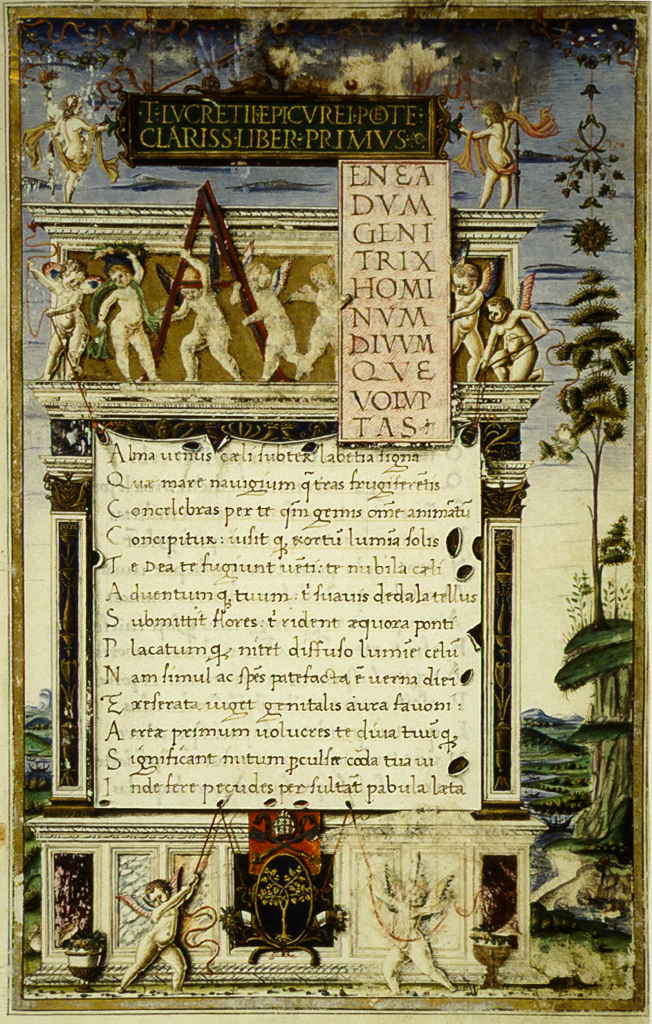
First page of a 1483 manuscript copy  [Flickr page]

There is a priceless work of ancient literature that rests, now safely copied beyond risk of annihilation, within the world’s digital book databases, web servers, bookstores, and libraries. A few manuscripts from the middle ages survive, along with copies made painstakingly by hand, then printed widely once Gutenberg’s invention came into use.

On the Nature of Things is a poem of 7,400 lines written two thousand years ago by a freethinking Roman named Lucretius. It “yokes together moments of intense lyrical beauty, philosophical meditations on religion, pleasure, and death, and complex theories of the physical world, the evolution of human societies, the perils and joys of sex, and the nature of disease.”1 It’s a wonder that it survived the dark ages, escaping the fiery fate of so many other manuscripts that did not conform to the iron-fisted piety of the almighty medieval Church.

And conform it certainly did not. Throughout his remarkable poem, Lucretius denies any divine influence or even interest in the affairs of humans. The universe was not made by the gods, and does not need their help to run its random course. We are all fortunate arrangements of atoms formed into living beings who exist only briefly, and just this once. We have no souls that outlast our bodies, so our pursuit is the happiness and pleasure that these brief lives of ours can offer. When the end comes, it is final, and we must accept it graciously.

Lucretius was very much a materialist. A person “can call the earth ‘Mother of the Gods,’” he allowed, “on this condition— / that he refuses to pollute his mind / With the foul poison of religion.”2 He did not deny the existence of the old gods, just their influence on our world or any interest in it. “By their very nature,” they sat aloof, enjoying “perfect peace” and “immortal life,”

Far separate, far removed from our affairs.
For free from every sorrow, every danger,
Strong in their own powers, needing naught from us,
They are not won by gifts nor touched by anger.3

Whether out of poetic license, some lingering respect for the old traditions, or as a way of easing the pious into his starkly materialist worldview, Lucretius begins his monumental celebration of humanism by addressing one of those gods whose superstitious worship he disdains.4 The “Invocation to Venus” is a beautiful and erotic paean to the goddess of love, a celebration of how the “universe, in its ceaseless process of generation and destruction and regeneration, is inherently sexual.”5

Now, for a few minutes, try to forget that you are an occupant of a frantic, attention-limited society twenty centuries after Lucretius scratched out his lines with quill pen on papyrus or parchment. You are browsing a blog with bills to pay and laundry to fold, and that sort of fast reading does not lend itself to the appreciation of thoughts formed in a more deliberate age.

But please do try. Savor the lines below, which have been so artfully translated—from manuscript copies several times removed from the long-lost originals—by an Englishman, John Dryden, three centuries ago. The words are stunning in their glorious sensuality and power, and are a bit daring for stiff-necked readers even today.

And enjoy the pictures interspersed, too. They are samples of my own long-running visual paean to nature, expressing the same ancient appreciation with modern tools.

———

Delight of humankind, and gods above,

Parent of Rome, propitious Queen of Love!

Whose vital power, Air, Earth, and Sea supplies,

And breeds what e’er is born

beneath the rolling Skies;

For every kind, by thy prolific might,

Springs, and beholds the regions of the light.

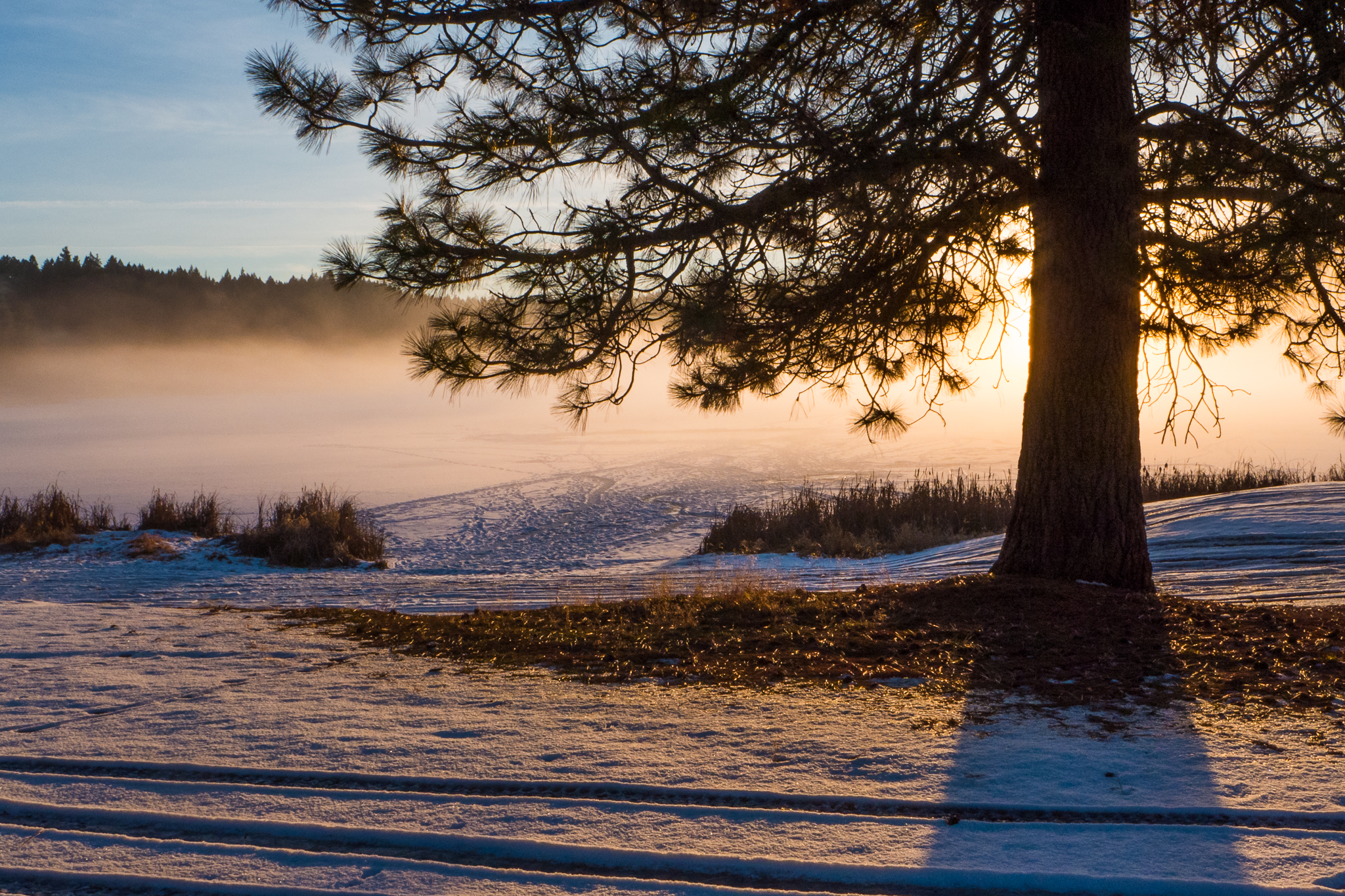
Lake Mist Aglow  [Flickr page]

Thee, Goddess, thee the clouds and tempests fear,

And at thy pleasing presence disappear;

For thee the Land in fragrant Flowers is drest;

For thee the Ocean smiles,

and smooths her wavy breast,

And Heav’n itself with more serene

and purer light is blest.

Molokai Shoreline from the Sea  [Flickr page]

For, when the rising Spring adorns the Mead,

And a new Scene of Nature stands displayed,

When teeming Buds, and cheerful greens appear,

And Western gales unlock the lazy year;

The joyous Birds thy welcome first express,

Whose native Songs thy genial fire confess;

Then savage beasts bound o’er their slighted food,

Struck with thy darts, and tempt the raging flood.

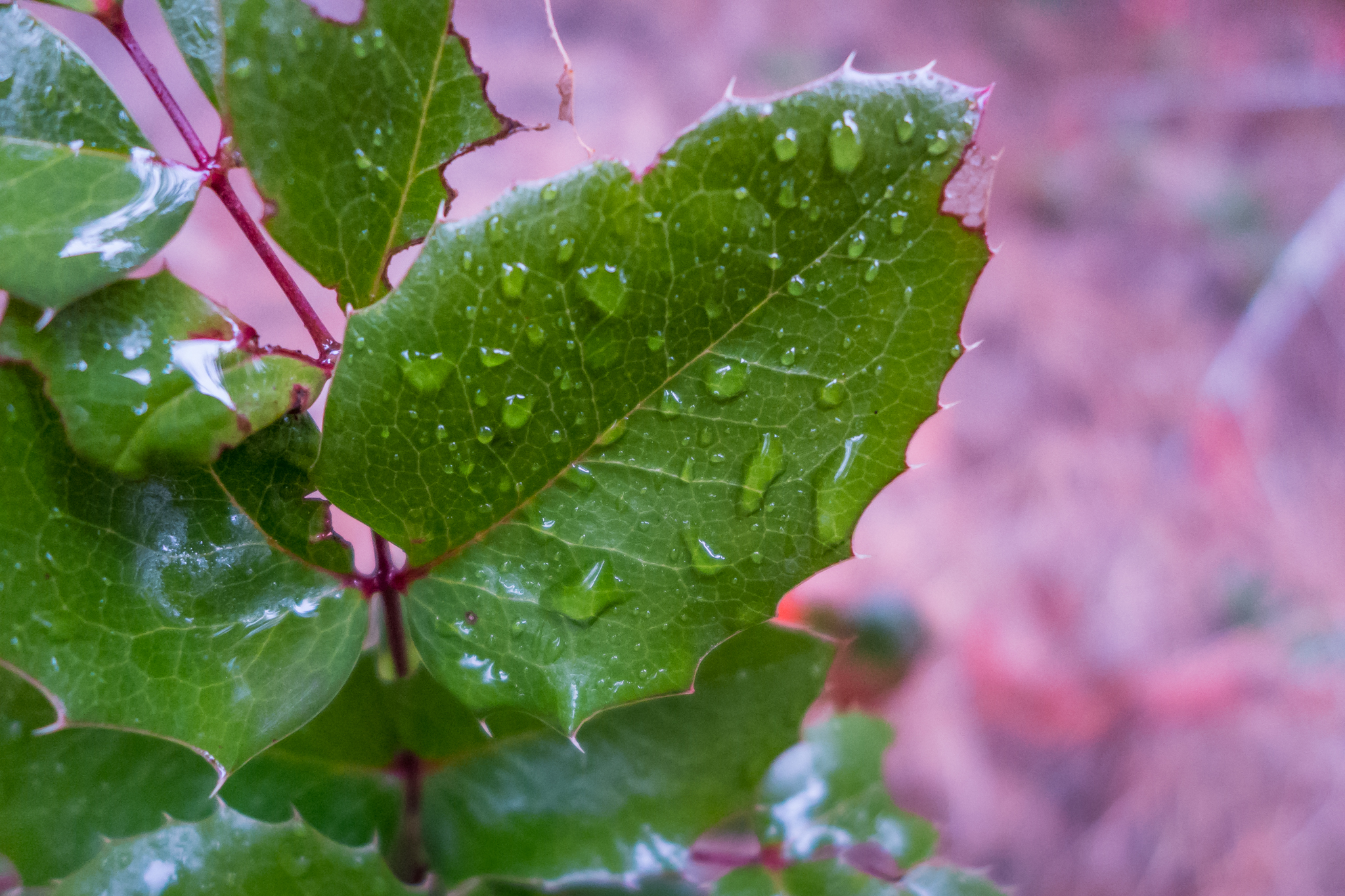
Raindrops on Oregon Grape  [Flickr page]

All nature is thy Gift; Earth, Air, and Sea;

Of all that breathes, the various progeny,

Stung with delight, is goaded on by thee.

Purple and Gold  [Flickr page]

O‘er barren Mountains, o’er the flowery Plain,

The leafy forest, and the liquid main,

Extends thy uncontrolled and boundless reign;

Through all the living Regions dost thou move,

And scatterest, where thou goest,

the kindly seeds of Love.

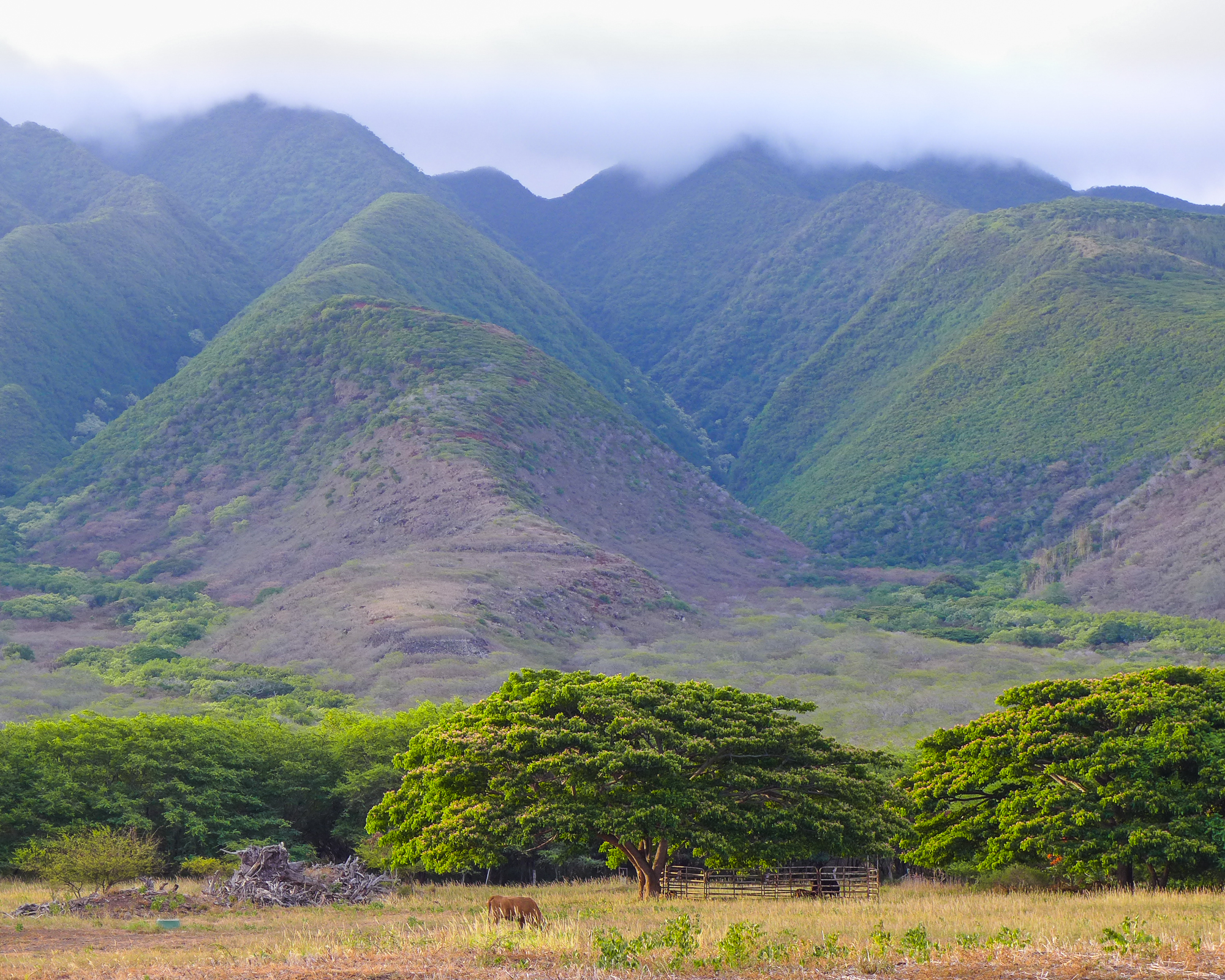
Molokai from the Kamehameha Highway  [Flickr page]

To thee Mankind their soft repose must owe,

For thou alone that blessing canst bestow;

Because the brutal business of the War

Is managed by thy dreadful Servant’s care;6

Who oft retires from fighting fields, to prove

The pleasing pains of thy eternal Love;

And panting on thy breast supinely lies,

While with thy heavenly form

he feeds his famished eyes;

Sucks in with open lips thy balmy breath,

By turns restored to life,

and plunged in pleasing death.

Molokai Pali  [Flickr page]

There while thy curling limbs about him move,

Involved and fettered in the links of Love,

When wishing all, he nothing can deny,

Thy Charms in that auspicious moment try;

With winning eloquence our peace implore,

And quiet to the weary World restore.

Flaming Firs  [Flickr page]
Invocation to Venus quoted from lines 1-27, 43-58 of John Dryden’s 1685 translation, with modern spelling and removal of some archaic contractions (e.g., “fettered” instead of “fetter’d”), as with the version consulted in N. John McArthur, ed. John Dryden, The Complete Poetical Works, N. John McArthur and Lexicos Publishing (2012).
The photography is my own modern contribution to this ancient appreciation of the natural world. Click on individual images to enlarge, or check out my most “interesting” photos on Flickr. All are Copyright © 2013-14 Edwin A. Suominen. You may freely use them for non-commercial purposes, with attribution, under the Creative Commons Attribution-NonCommercial 3.0 Unported License.

Notes


  1. Stephen Greenblatt, The Swerve: How the World Became Modern. W. W. Norton & Company (2011), Ch. 8. 

  2. Book II, 658-660. Ronald Melville, trans. On the Nature of the Universe, Oxford World’s Classics. Oxford University Press (1997). 

  3. Book I, lines 646-51. Melville trans. 

  4. For a more nuanced view, see George Depue Hadzsits, “The Lucretian Invocation of Venus.” Classical Philology, Vol. 2, No. 2 (Apr., 1907), pp. 187-192. Available for free online courtesy of the University of Chicago Press. According to Hadzsits, the “Lucretian invocation of Venus, as a typical Epicurean prayer, must be interpreted in the light of Epicurean theory and practice—a prayer, then, with a deep, complex, religious significance to the sincere Epicurean himself, a prayer that included an emotional attachment to older traditions, to established customs and beliefs, and also an enlightened intellectual, Epicurean interpretation of such religious material.” He finds it “utterly unthinkable that in the Venus invocation Lucretius has been untrue to himself,” with a mere “conventional literary ornament” as a hypocritical pious preamble to his “literary monument to fearless honesty.” 

  5. Greenblatt, p. 45. 

  6. The servant was Mars. Melville provides this footnote to the line in his translation: “Venus restraining the warlike impulse of her husband Mars was a frequent subject of ancient as of modern painting (see especially Botticelli’s Venus and Mars). Their union was sometimes allegorized as bringing about harmony: they also look back to the two cosmic principles of ‘Love’ and ‘Strife’ of the fifth-century BC Greek poet Empedocles, who was one of Lucretius’ major models.” 

Sunday, February 9, 2014

Country Winter

Winter’s cold and quiet days—

muted, grey, quick to darken—

hold life in reserve for Spring.

Blue Boundary  [Flickr page]

Snow hides the undergrowth,

mostly dead now, just seeds and buds,

coiled springs of dormant genomes, waiting.

Clouds and Contrasts  [Flickr page]

Evergreens keep on working, a little,

old needles grasping at furtive light,

biding time until warmth and sun arrives.

Unplowed Driveway  [Flickr page]

With it will come the smell of duff and pine,

growth rings fattening under straining bark,

fresh new green bursting from ends of branches.

Looming Trees on a Country Road  [Flickr page]

The world still spins and circles,

Spring will come, sap will run,

the ancient turnings will continue.

Red Sky at Night, Photographer’s Delight  [Flickr page]
Click on individual images to enlarge, or check out my entire set of these and related photos on Flickr. All are Copyright © 2013-14 Edwin A. Suominen. You may freely use them for non-commercial purposes, with attribution, under the Creative Commons Attribution-NonCommercial 3.0 Unported License.

Sunday, November 24, 2013

Walking Upright

The final chapter of Evolving out of Eden, interspersed with some of my photography. The images are of one of my favorite places, with its silent green giants that sprouted long before I was born and will likely live on long after me.
———

Our ancestors got up off their forelimbs and started walking upright more than two million years ago. Now it’s time for us to walk upright intellectually and accept our origins and place in the universe for what they are. We are fearfully and wonderfully made, not by the micromanaging deity of Psalm 139 but by a fascinating and elegant naturalistic process.

Dusk Approaches  [Flickr page]

Think of it! Undirected, random variation rises upward from the mindless froth at the floor of an indeterminate universe and percolates through the screen of selection. That filter—natural and sexual selection—is a roulette wheel of replication probability whose numbers are determined by physical constraints and the products of previous evolution. It’s all chance and necessity, as far back as we can see. No deity compatible with evolutionary science is triggering the mutations, spinning the wheel, or determining the odds.

Late Summer Larch  [Flickr page]

Yes, our existence is fleeting, and can seem insignificant. We are, each of us, just a single one of the uncounted trillions of organisms resulting from evolution, and the longest of our lifetimes will span the tiniest fraction of the billions of years that life has existed on this planet.

Lichen on Larch  [Flickr page]

Annie Dillard faced that reality with the same profound elegance as her many other observations at Tinker Creek: “I am a sacrifice bound with cords to the horns of the world’s rock altar, waiting for worms.” That is our fate, too, and we might as well accept it with the same equanimity: “I take a deep breath, I open my eyes. Looking, I see there are worms in the horns of the altar like live maggots in amber, there are shells of worms in the rock and moths flapping at my eyes. A wind from no place rises. A sense of the real exults me; the cords loose; I walk on my way.”

Pine Needle on Moss Bed  [Flickr page]

Her courage in facing the void was shared by the Preacher of Ecclesiastes. He acknowledged that the dead “know not any thing, neither have they any more a reward; for the memory of them is forgotten.” Their love, and their hatred, and their envy—all are now perished. Eternal reward? God’s ultimate plan for our souls? Forget it, says this Bible writer: The dead will not have “any more a portion for ever in any thing that is done under the sun” (9:5-6).

Moss and Lichen  [Flickr page]

The Preacher’s conclusion (Eccl. 9:7-10) is pragmatic, but cheerful. Go your way, eat your bread with joy, and drink your wine with a merry heart, advises the Preacher, for God now accepts your works. Let your clothes be always white, and let your head lack no ointment. Live joyfully with the wife whom you love all the days of your fleeting life, which he has given you under the sun. That is your reward in life, for there is “no work, nor device, nor knowledge, nor wisdom, in the grave, whither thou goest.”

Forest Floor in Dusk Light  [Flickr page]
Click on individual images to enlarge, or check out the entire set (with others of these woods) on Flickr. All are Copyright © 2013 Edwin A. Suominen. You may freely use them for non-commercial purposes, with attribution, under the Creative Commons Attribution-NonCommercial 3.0 Unported License. Evolving out of Eden is Copyright © 2013 by Robert M. Price and Edwin A. Suominen, All Rights Reserved: Excerpted here by permission of Tellectual Press.

Saturday, September 7, 2013

Cascading Wonders

In sunlight,

ancient starlight,

the cold dim light of the moon;

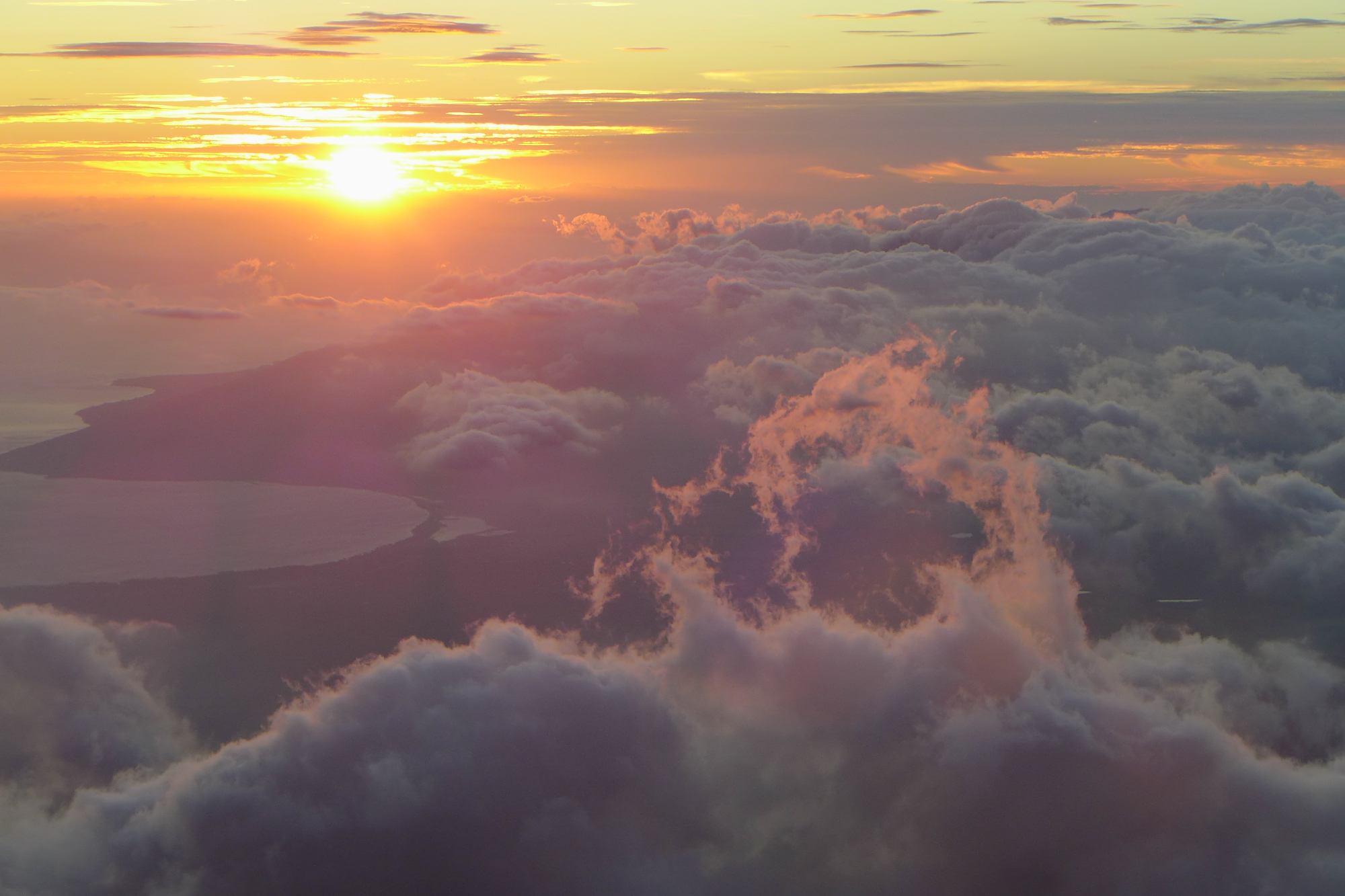
Sunset from Haleakala, Maui  [Flickr page]

Gathering silent photons,

noticing and here conveying

beauty we often are too busy to see;

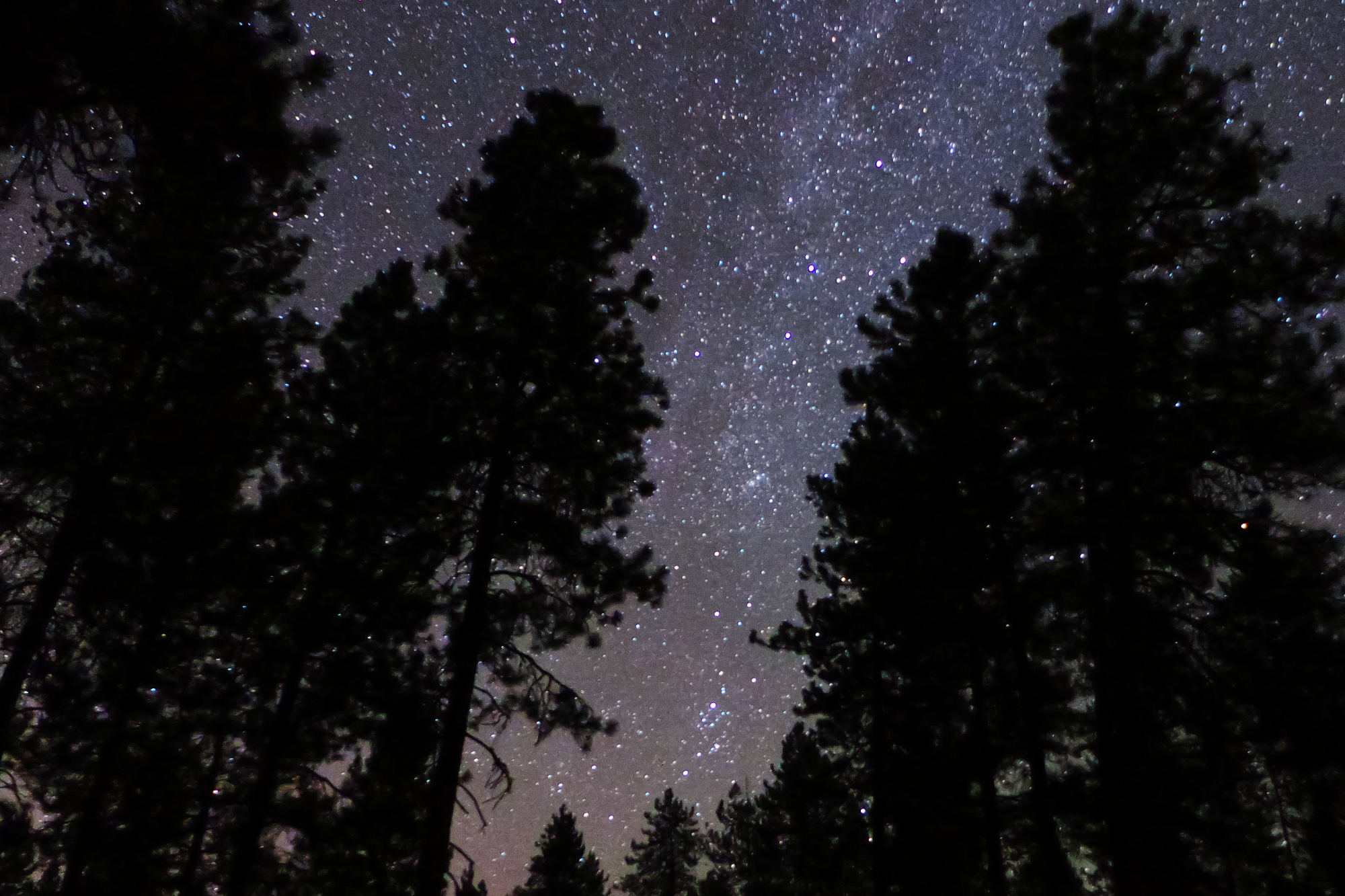
Milky Way between Ponderosa Pines  [Flickr page]

I am a witness

to cascading wonders

of a life being richly lived.

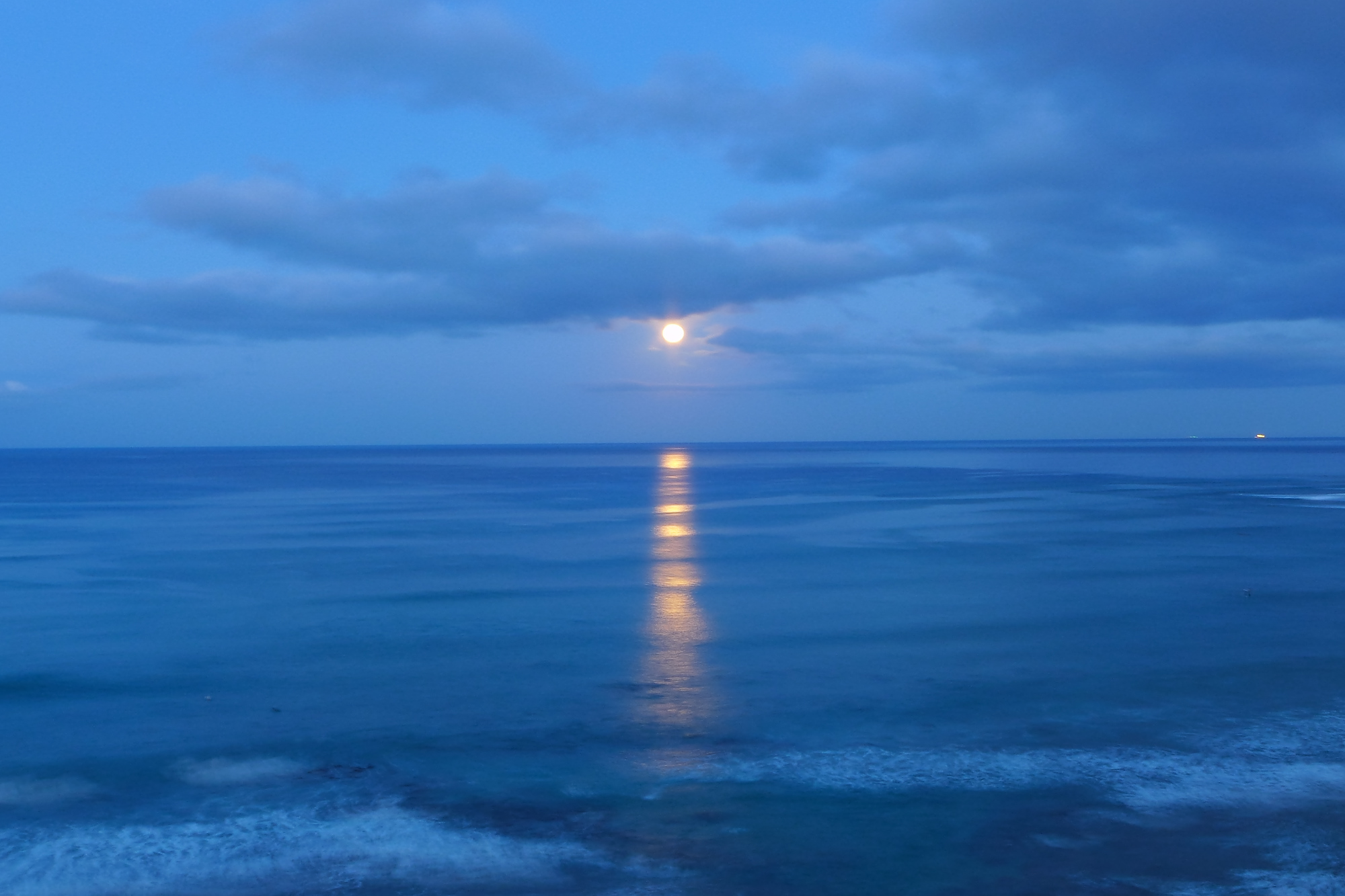
Predawn Moonset at Waikiki  [Flickr page]

Sunday, September 1, 2013

Paradise

Eden was a choice garden in comparison with the magnificence of the whole earth, which itself also was a Paradise compared with its present wretched state.
—Martin Luther, Lectures on Genesis
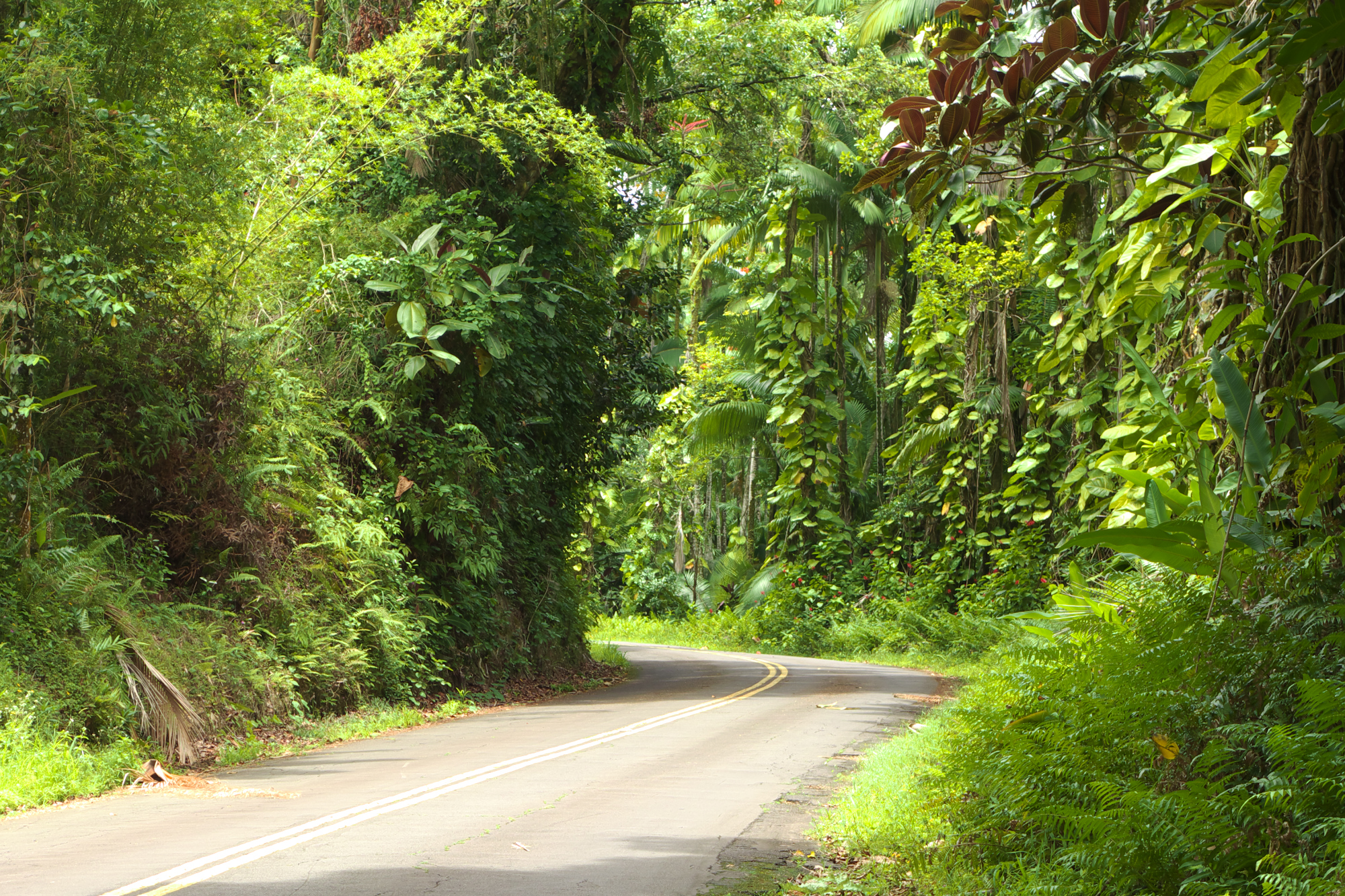
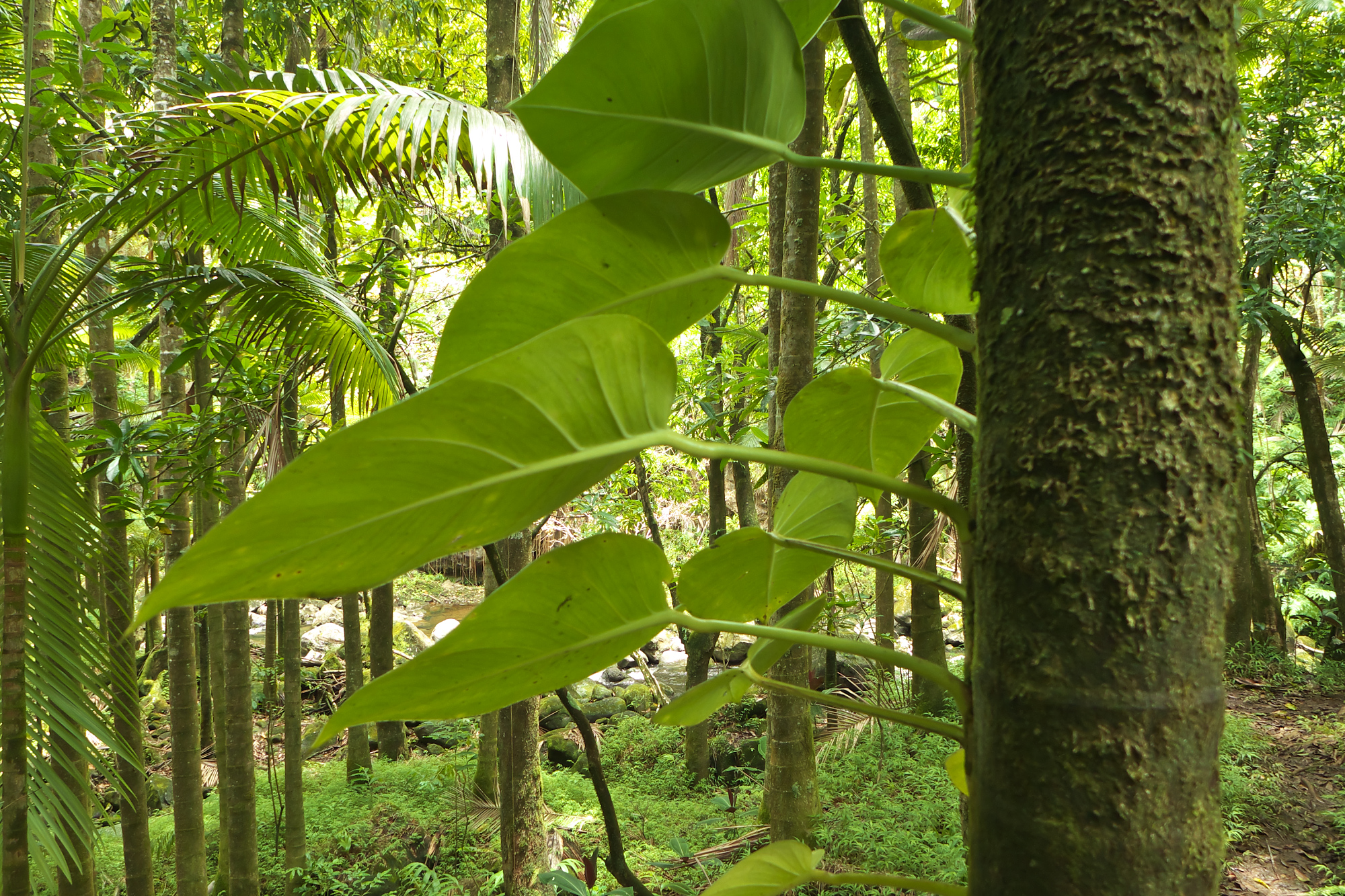
Tropical rainforest north of Hilo on the Big Island.  [Flickr page]

After co-authoring a book entitled Evolving out of Eden and spending three weeks in Hawaii, I’ve given a thought or two to the idea of paradise. For much of our existence on this planet, it seems that humans have been longing for such a place.

Life supporting life, in vivid green abundance.  [Flickr page]

A variation of this theme is that of lost innocence, a time when everything was wild and simple and good. One of our earliest recorded creation myths, the Epic of Gilgamesh inscribed onto Mesopotamian clay tables over 4,000 years ago, describes a primeval superhero who was happy and at home with his friends the wild animals. Alas, this “child of nature, the savage man from the midst of the wild” (Tablet I, line 175) is seduced by a harlot down at the watering hole, literally. After a week-long sex marathon, he was a weakened shell of his former self, a stranger to the gazelles and beasts of the field. “Now he had reason, and wide understanding” (line 195).

The story far better known to us, though almost entirely ignored in the rest of the Hebrew Bible, is the one based in large part on the Mesopotamian epics and set in the same region. Actually, it’s two accounts, written with different agendas in mind. According to Genesis 1, the Gods (whoops, leftover polytheism) create the first man and woman in their image (v. 26), and tell them to get busy having babies and taking over the place, enjoying a varied diet of pretty much everything that grows or moves. (None of the Jewish dietary laws had been invented yet.) The account of Genesis 2-3 is the one where the First Couple munch on fruit in Eden, naked and innocent, until things go terribly wrong, and we get Paradise Lost.

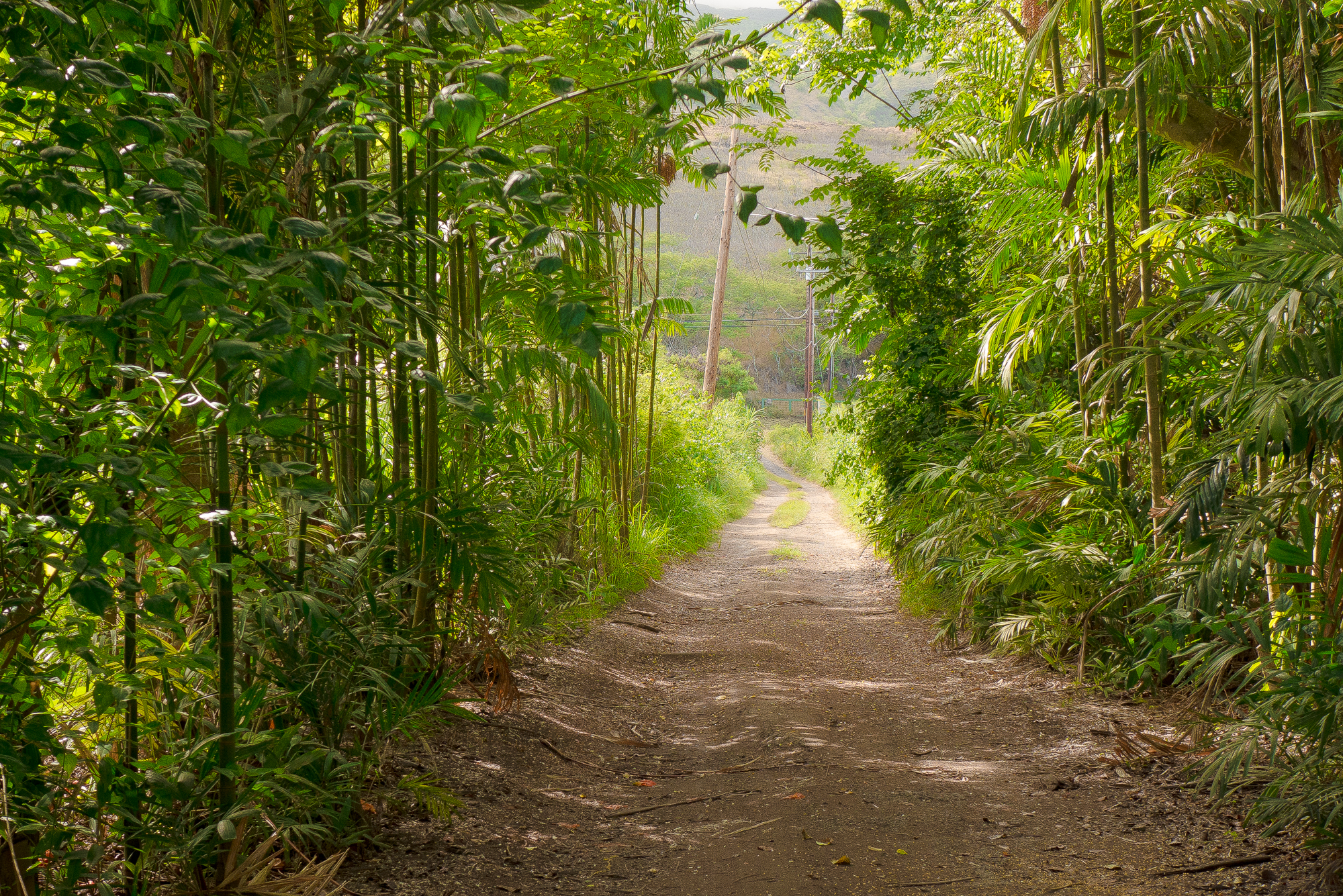
Maui: Green, beautiful, and very humid.  [Flickr page]

The religion of the early Hebrew Bible was just a step away from its polytheistic roots. Yahweh was a tribal war deity who showed favor and displeasure in crop abundance or famine, battles won and lost, loot from conquering and the horrors of being conquered. As this God evolved and became more of a remote abstraction, however, his divine judgment took on less immediacy. Promises of a paradisaical life after this one finally began to emerge.

At first, we see the barest glimmer of eternal sunshine in the gloom of the lifeless, neutral Hebrew Sheol: Job expresses the hope of seeing God even after worms destroy this body, though the rest of the book paints the usual muted and bleak picture. The Psalms provide a few mentions of glory afterward among lots of talk about a dreaded, forgotten nothingness in the grave.

Eventually, Isaiah would offer a clear indication of the dead being resurrected. They, God’s dead at least, “will live, their dead bodies will rise. The dwellers in the dust will awake and shout for joy! For your dew is like the dew of the dawn, and the earth will give birth to the dead” (Isa. 26:19). Interestingly, Isaiah seems to hint at the change in viewpoint by contrasting this promise with a statement a few lines earlier about God’s previous disposition of the dead: “The dead will not live, and the departed spirits will not rise. You punished and destroyed them, and imprisoned all memory of them” (Isa. 26:11, both from the Dead Sea Scrolls Bible).

Molokai’s lush east end.  [Flickr page]

As evidenced by the mountain of grave goods that were crammed into King Tut’s tomb in 1323 B.C., the Egyptians had a detailed view of the afterlife much earlier than the Israelites. The Greek pagans were ahead in the Mediterranean afterlife game by many centuries, too: Elysium was their eternal resting place for the gods and some favored mortals. According to Wikipedia, Homer’s Odyssey mentions an “Elysian plain … where life is easiest for men. No snow is there, nor heavy storm, nor ever rain, but ever does Ocean send up blasts of the shrill-blowing West Wind that they may give cooling to men.”

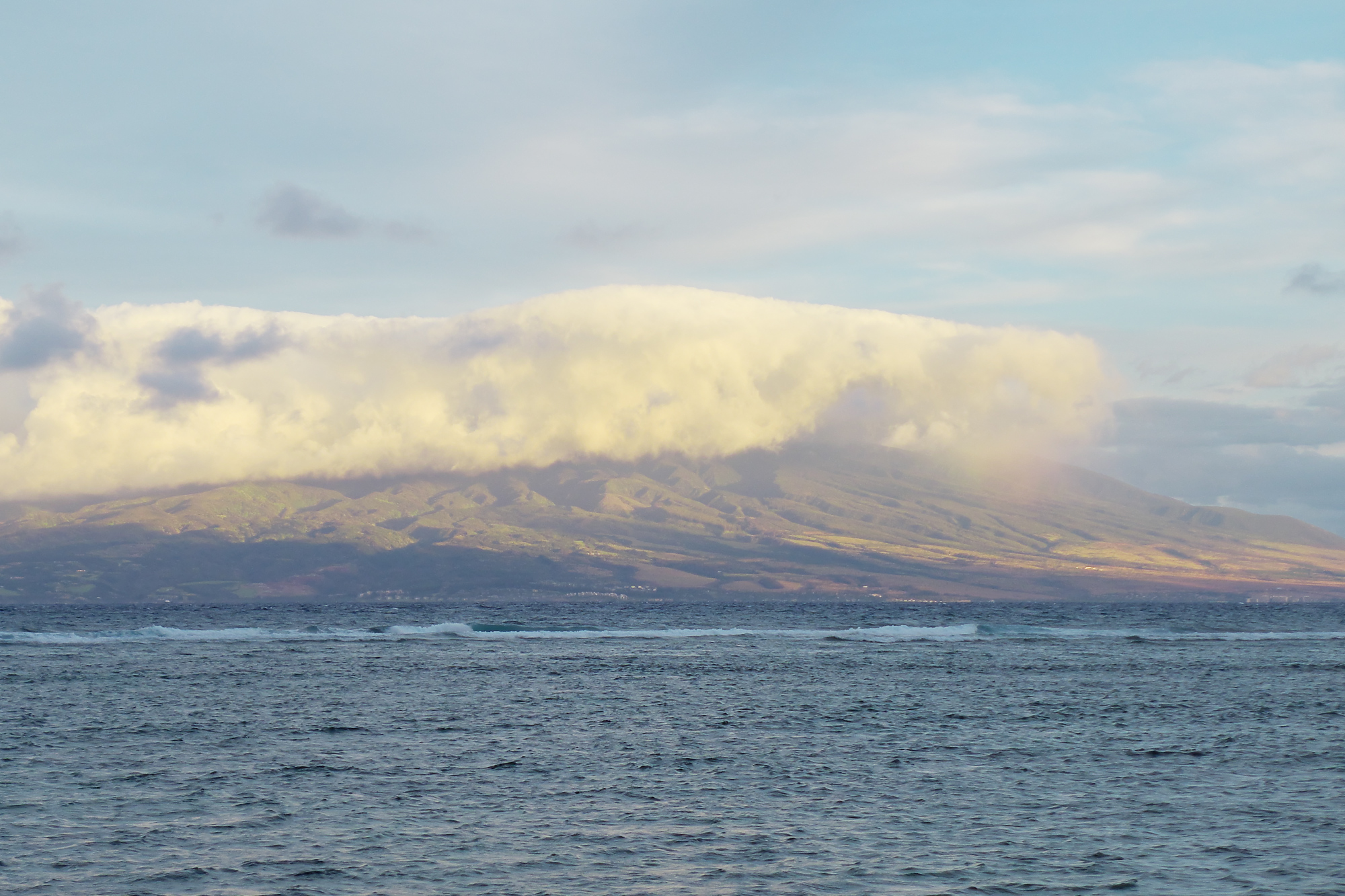
Clouds Over Maui, from Molokai  [Flickr page]

The Old Testament would have to pass to the New before those monotheists along the Mediterranean’s eastern shore would really come to embrace the idea of life eternal. The most famous Jew of all time (whether he existed as an actual man or only in the hazy memories of devotees writing decades later) came along and raised the post-mortem stakes, warning that “if thine eye offend thee, pluck it out, and cast it from thee: it is better for thee to enter into life with one eye, rather than having two eyes to be cast into hell fire” (Matt. 18:9). Of course, it was eternal life he was promising. When the penitent convict turned to him on the cross, according to Luke’s account, the words he chose to speak as a comforting response were, “Today shalt thou be with me in paradise” (Luke 23:43).

The new Jesus sect had its main earthly champion in another Jew, Apostle Paul, who promised a wondrous reward for God’s beloved. He could offer no details, though: “Eye hath not seen, nor ear heard, neither have entered into the heart of man, the things which God hath prepared for them that love him” (1 Cor. 2:9).

Clouds Swirling on Maui Mountain Slopes  [Flickr page]

These things awaited the faithful somewhere above the great blue dome of the sky. Mark and Matthew tell their readers that Jesus will come in the “clouds of heaven” (Matt. 24:30 & 26:64, Mark 14:62). It was an unattainable place far overhead. When the writer of 1 Thessalonians assured an unexpected new generation of Christians that their dead relatives also would attain this ethereal reward, along with the living, he was looking skyward. And it would happen, he promised, real soon now. “We which are alive and remain shall be caught up together with them in the clouds, to meet the Lord in the air: and so shall we ever be with the Lord” (1 Thess. 4:17).

The idea had evolved to the point where this life was a mere prelude to the next. It had a certain comfort to it: God would finally wipe away the tears of a difficult life, at last right the injustices of a beggar foraging scraps at a rich man’s table. The rest of Judaism seems not to have paid much attention, though. To this day, they focus much more on how you live your current life than what might happen to you afterwards. That’s surprising in a way: Jews have more reason than most to complain about the way things have gone for them, historically.

Beautiful above the water, and with a paradise of fish and coral below.  [Flickr page]

Even without regard to Rome, Masada, the Pogroms, and the Holocaust, most everybody throughout history had reason to yearn for some sort of better existence after death. Life basically sucked, and for all too many, still does. There is and always has been slavery, famine, disease, and war. In the natural state of things, observed the 16th century pessimist Thomas Hobbes, the life of man was “solitary, poor, nasty, brutish, and short.” No wonder the promises of heaven have maintained such appeal.

And no wonder the hereafter was envisioned as a marked contrast with what was being experienced in the here and now. The Revelation of John, written for people in the sun-baked islands of the Mediterranean, promised that there would be respite from the sun, heat, and thirst in heaven (Rev. 7:16-17). Luther’s extensive complaints about paradise lost have the distinct sound of a cranky old man tossing and turning on a filthy straw mattress in late medieval Europe. An obedient Adam, he laments, would have had access to the Tree of Life and

would have eaten; he would have drunk; and the conversion of food in his body would have taken place, but not in such a disgusting manner as now. Moreover, this tree of life would have preserved perpetual youth. Man would never have experienced the inconveniences of old age; his forehead would never have developed wrinkles; and his feet, his hands, and any other part of his body would not have become weaker or more inactive. Thanks to this fruit, man’s powers for procreation and for all tasks would have remained unimpaired until finally he would have been translated from the physical life to the spiritual. [Lectures on Genesis]

The Finns of my own ancestry and Laestadian faith tradition longed for a “homeland shore in heaven.” That has no biblical basis; the closest maritime parallel is the lake of fire and brimstone. But it was a compelling picture for exhausted fishermen out on their boats, and it’s still heard in Laestadian sermons today.

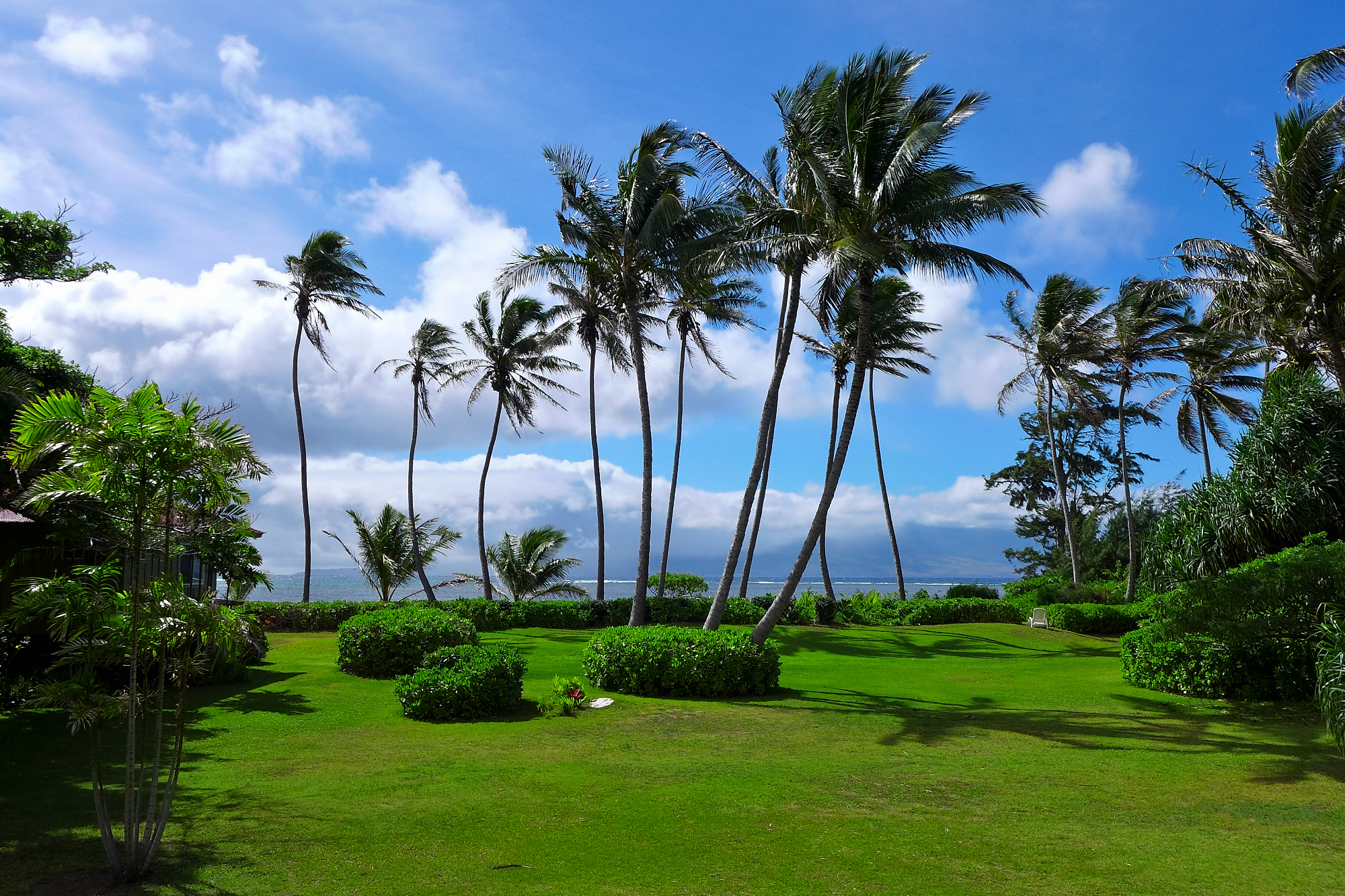
Paradise often looks best with a little trimming…  [Flickr page]

As a mere mortal who has probably lived about half his life already, I do understand the appeal. And having a wonderful life full of light, love, and beauty actually doesn’t change that too much. There is so much to experience, so much to see. Yet someday, as it did for King Tut and Homer and Paul and Luther, it will end for me. My paradise will only remain in these pictures, and the others I take in my remaining days filled with blue and green.

…and mowing.  [Flickr page]
Click on individual images to enlarge, or check out the entire set (and others from Hawaii) on Flickr. All are Copyright © 2013 Edwin A. Suominen. You may freely use them for non-commercial purposes, with attribution, under the Creative Commons Attribution-NonCommercial 3.0 Unported License.