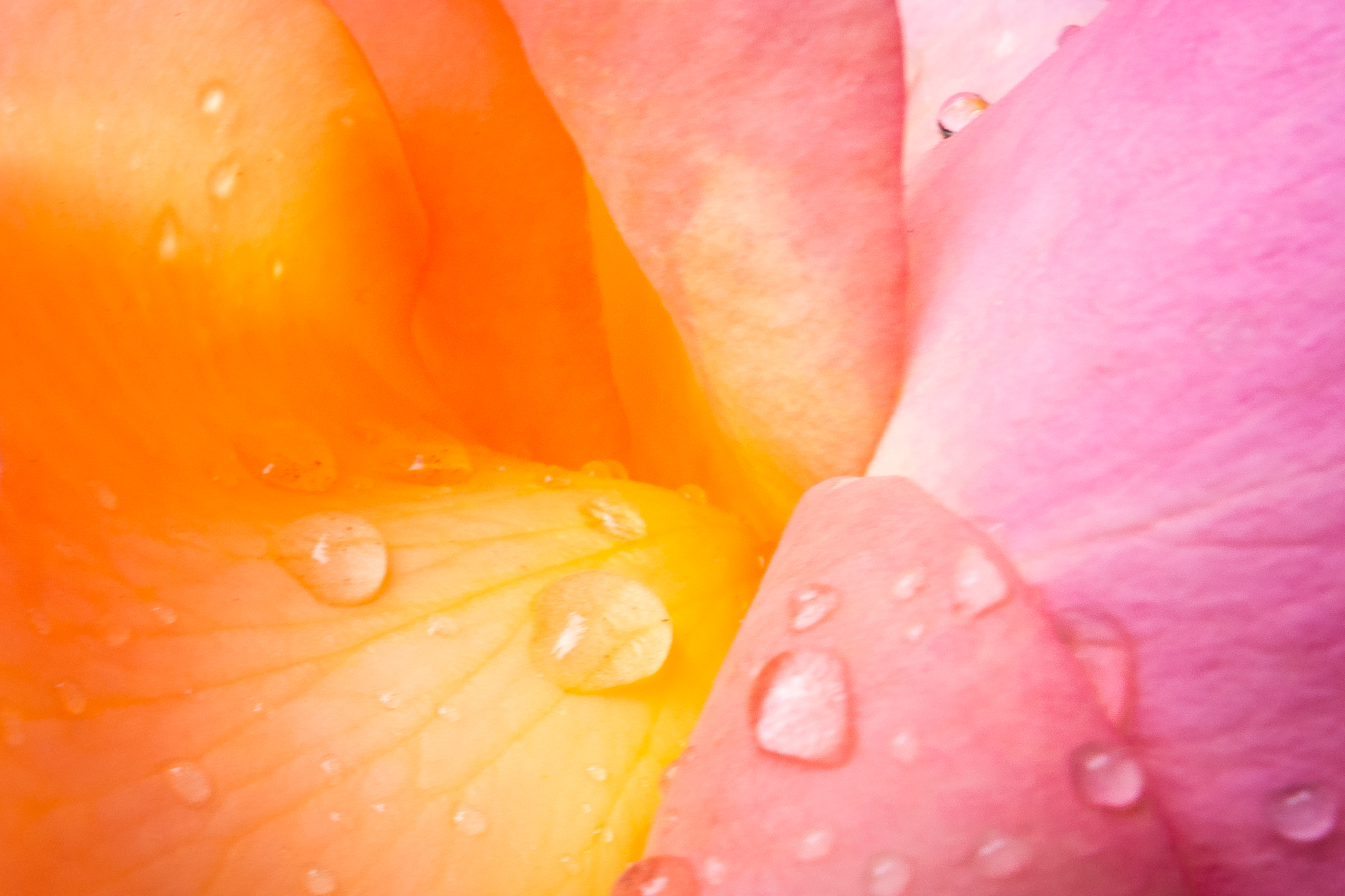
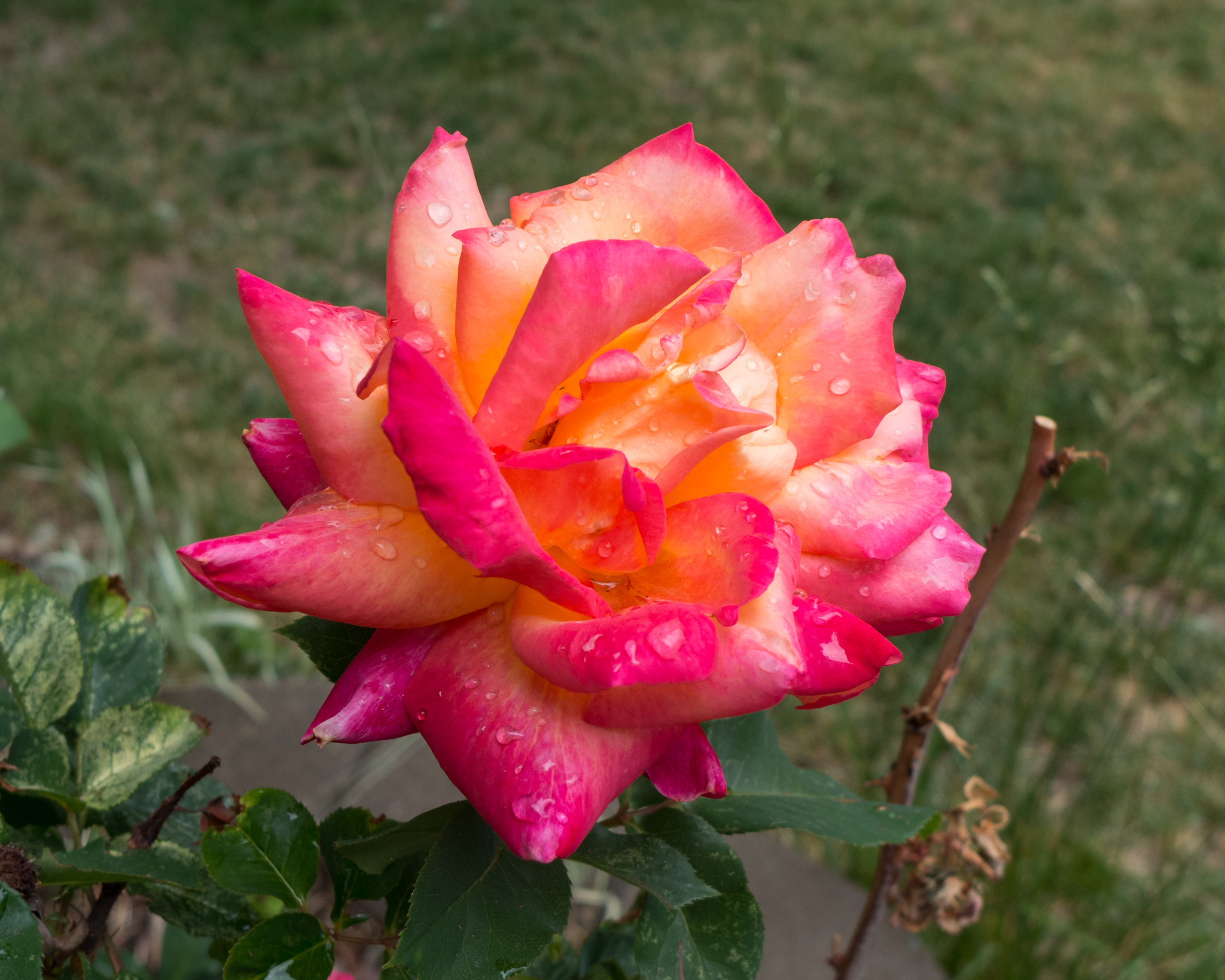
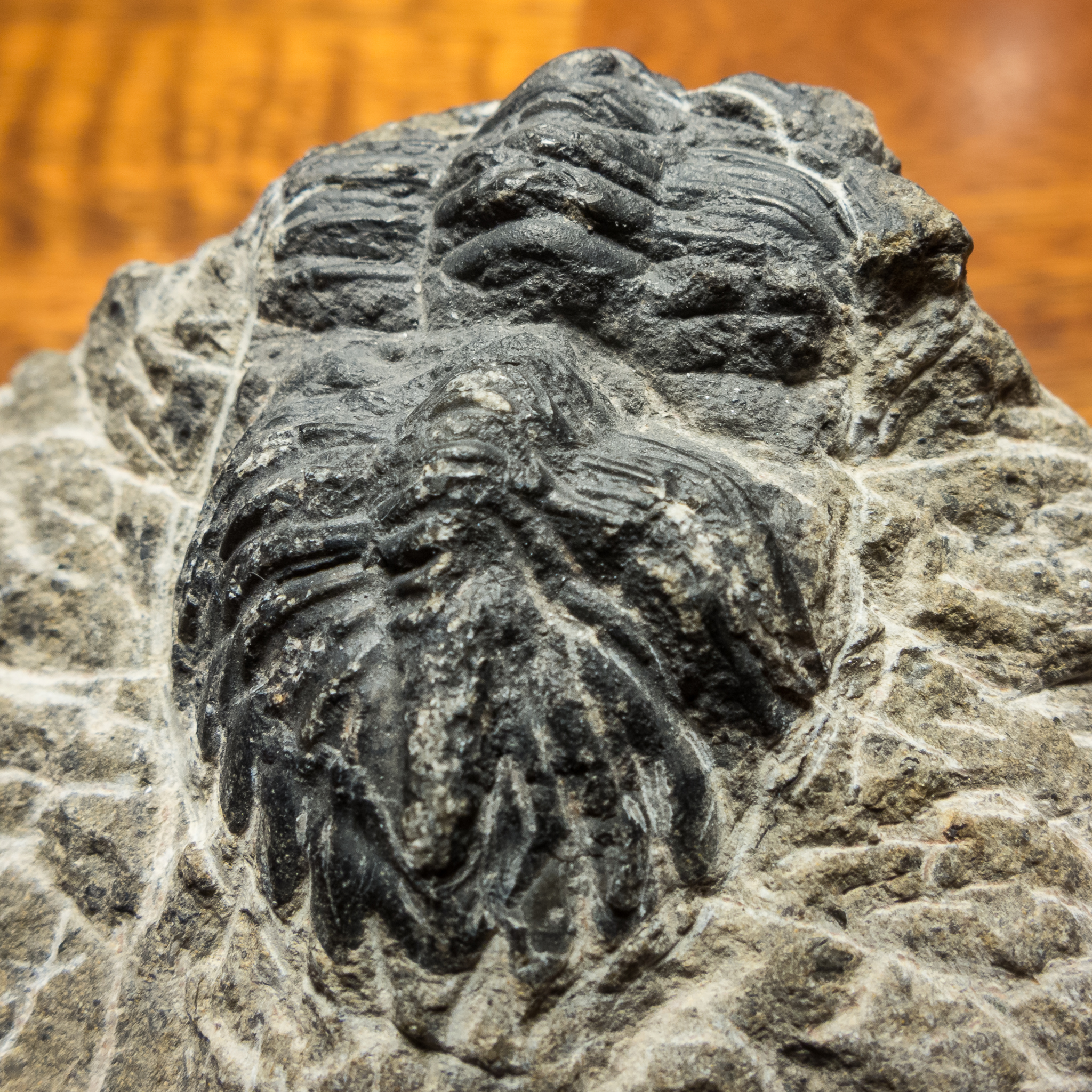
A bundle of myrrh is my well-beloved unto me; he shall lie all night betwixt my breasts.
—Song of Songs
It has been at least 2200 years since the Song of Songs celebrated
the raw sensuous beauty and passion of sex. That book probably holds
the record as the one least referenced in Lutheran church
services. Just try to imagine the preacher wearing his Sunday suit and
sitting stiffly behind his pulpit, reading, “Awake, O north wind; and
come, thou south; blow upon my garden, that the spices thereof may
flow out. Let my beloved come into his garden, and eat his pleasant
fruits”
(4:16).
Or this
(7:6):
How fair and how pleasant art thou, O love, for delights!
This thy stature is like to a palm tree,
and thy breasts to clusters of grapes.
I said, I will go up to the palm tree,
I will take hold of the boughs thereof:
Now also thy breasts shall be as clusters of the vine,
and the smell of thy nose like apples;
and the roof of thy mouth like the best wine for my beloved,
that goeth down sweetly,
causing the lips of those that are asleep to speak.
Given how much Christianity has wielded the Bible (the same one in
which the Song of Songs appears, oddly, like a bikini on an Amish
grandmother) to supress human sexuality, it is worthwhile to stop and
reconsider what a normal and natural part of life sex really is. We
are all of us the warm wet products of some sexual union decades ago,
between two participants who each were the products of an earlier
one. It goes all the way back to the grunted cave couplings of
prehistoric hominids on furs by firelight, and beyond.
Over its centuries of dominance, the church has sown in our society a
minefield of hair-trigger offense that separate us from acceptance and
expression of the very act that formed us. In the outermost reaches of
fundamentalism, it is sinful for a young person to even linger on
thoughts about how this primal drive might at last be satisfied. The
explosions of offense get louder if the poor sinner traverses further
into the minefield: sex without children in mind, masturbation, sex
before marriage, sex with someone of your own gender.
To that we can add a further boundary, sex outside marriage. It is
one that most of society, myself included, still considers a valid
taboo. Frankly, cheating is just a deceptive act of selfishness. But
even extramarital sex has been a nuanced topic: What if, for example,
all parties are consenting? I personally can’t imagine such an
arrangement, but who am I to judge? In the early 1500s, someone more
radical than myself about the idea suggested this course of discussion
for a sexually dissatisfied wife:
Look, my dear husband, you are unable to fulfill your conjugal duty
toward me; you have cheated me out of my maidenhood and even
imperiled my honor and my soul’s salvation; in the sight of God there
is no real marriage between us. Grant me the privilege of contracting
a secret marriage with your brother or closest relative, and you
retain the title of husband so that your property will not fall to
strangers. Consent to being betrayed voluntarily by me, as you have
betrayed me without my consent.
The writer was
Martin Luther.
Any proper Lutherans shocked by this or the Song of Songs, those who
consider gay marriage to be a sure sign that the End of Times is upon
us at last, may not be aware of just how much sex has been going on
throughout human existence, and how varied it has been. I could
mention the exploits of Enkidu in The Epic of Gilgamesh some four
thousand years ago, or the incest and prostitution in Genesis, or the
misogynist pornography of Ezekiel 23.
Perhaps in future essays I will. But for this one, I want to turn to
one writer from antiquity with a remarkably free mind: Lucretius.
He came from a time and place where it was “taken for granted that
male sexual desire may be for either a younger male or a female.” So
says Ronald Melville in a footnote to this passage Lucretius wrote
sometime in the first century B.C., in the secular masterpiece On the
Nature of Things:
Thus, therefore, he, who feels the fiery dart
Of strong desire transfix his amorous heart,
Whether some beauteous boy’s alluring face,
Or lovelier maid, with unresisting grace,
From her each part the winged arrow sends,
From whence he first was struck he thither tends;
Restless he roams, impatient to be freed,
And eager to inject the sprightly seed;
For fierce desire does all his mind employ,
And ardent love assures approaching joy.
Pretty candid stuff, for both the ancient philosopher poet as well as
the bold translator of these lines and the ones that follow, John
Dryden [1631-1700]. I am awed and inspired by what I’ve been
discovering in Lucretius, and am happy to finally be thinking for
myself about issues where the proper opinions were once prepackaged
for me. But I’m certainly glad we’ve moved past some of the things he
and
his culture
accepted, like “Beautious boy,” or, considering the difference in age
and power that he likely had in mind, “lovelier maid.” Yuck.
Book IV of On the Nature of Things has a lot more sordid stuff in
it, and we’ll see a bit more of that in a minute. It was so scandalous
to the prim eyes of Oxford University Press in 1913 that their edition
of The Poems of John Dryden omitted his translation of the entire
fourth book, offering only the curt footnote, “It is impossible to
reprint this piece.”
After acknowledging nature’s raw power, Lucretius advises his
(presumably male) readers to find sexual outlets that don’t lead to
infatuation and commitment.
But strive those pleasing phantoms to remove,
And shun the aërial images of love,
That feed the flame: when one molests thy mind,
Discharge thy loins on all the leaky kind;
For that’s a wiser way, than to restrain
Within thy swelling nerves that hoard of pain.
Sex without love, how convenient—for the man. As Melville translates
him, “by avoiding love you need not miss / The fruits that Venus
offers, but instead / You may take the goods without the penalty.”
Women readers may be forgiven for dismissing Lucretius immediately as
just another jerk of a man. Some things never change.
But they might wish to hear him out just a bit longer. Lucretius goes
on to describe, in graphic detail that will make even modern readers
blush a bit, the grasping passion of lovesick sex. He means it as a
warning to his fellow commitment-phobic, privileged freemen of ancient
Rome. But to me it’s the good part, ironically a fine tribute to the
best moments we can hope to attain from a dedicated love match,
something two life partners can look back on with smiles even when the
candle burns lower.
So I leave you, now, to read some steamy stuff from antiquity. As you
do so (and admit it, you will), keep in mind just how remarkable it
is: Penned a hundred years before Christ, a thousand years before the
long shadow of the Dark Ages, 1800 years before prim and starched
Victorian England! And during most of the intervening centuries
between when Lucretius scratched his Latin onto some scroll now
disintegrated into the atoms he taught of, these sensuous lines were
preserved, copy by painstaking copy at the hand of monks whose
cloistered lives were as far from this experience as one might
imagine. Officially and publicly, at least.
When love its utmost vigour does employ,
Even then ‘tis but a restless wandering joy;
Nor knows the lover in that wild excess,
With hands or eyes,
what first he would possess;
But strains at all, and,
fastening where he strains,
Too closely presses with his frantic pains;
With biting kisses hurts the twining fair,
Which shows his joys imperfect, insincere:
For, stung with inward rage,
he flings around,
And strives to avenge the smart
on that which gave the wound.
But love those eager bitings does restrain,
And mingling pleasure mollifies the pain.
For ardent hope still flatters anxious grief,
And sends him to his foe to seek relief:
Which yet the nature of the thing denies;
For love, and love alone of all our joys,
By full possession does but fan the fire;
The more we still enjoy,
the more we still desire.
Nature for meat and drink provides a space,
And, when received,
they fill their certain place;
Hence thirst and hunger may be satisfied,
But this repletion is to love denied:
Form, feature, colour, whatsoe’er delight
Provokes the lover’s endless appetite,
These fill no space,
nor can we thence remove
With lips, or hands,
or all our instruments of love:
In our deluded grasp we nothing find,
But thin aërial shapes,
that fleet before the mind.
As he, who in a dream with drought is cursed,
And finds no real drink to quench his thirst,
Runs to imagined lakes his heat to steep,
And vainly swills and labours in his sleep;
So love with phantoms cheats our longing eyes,
Which hourly seeing never satisfies:
Our hands pull nothing
from the parts they strain,
But wander o’er the lovely limbs in vain.
Nor when the youthful pair more closely join,
When hands in hands they lock,
and thighs in thighs they twine,
Just in the raging foam of full desire,
When both press on, both murmur,
both expire,
They gripe, they squeeze,
their humid tongues they dart,
As each would force their way
to the other’s heart:
In vain; they only cruise about the coast;
For bodies cannot pierce,
nor be in bodies lost,
As sure they strive to be,
when both engage
In that tumultuous momentary rage;
So tangled in the nets of love they lie,
Till man dissolves in that excess of joy.
Then, when the gathered bag has burst its way,
And ebbing tides the slackened nerves betray,
A pause ensues; and nature nods awhile,
Till with recruited rage new spirits boil;
And then the same vain violence returns,
With flames renewed the erected furnace burns…
———
Thanks to Rosie English for permission to use her outstanding photograph, “
Evening Swimmerettes” of two beachgoers. The other photos are my own: Click on individual ones to enlarge, or check out my
most “interesting” photos on Flickr. All are Copyright © 2013-14 Edwin A. Suominen. You may freely use them (not Rosie’s, at least not without her permission) for non-commercial purposes, with attribution, under the
Creative Commons Attribution-NonCommercial 3.0 Unported License.
Notes