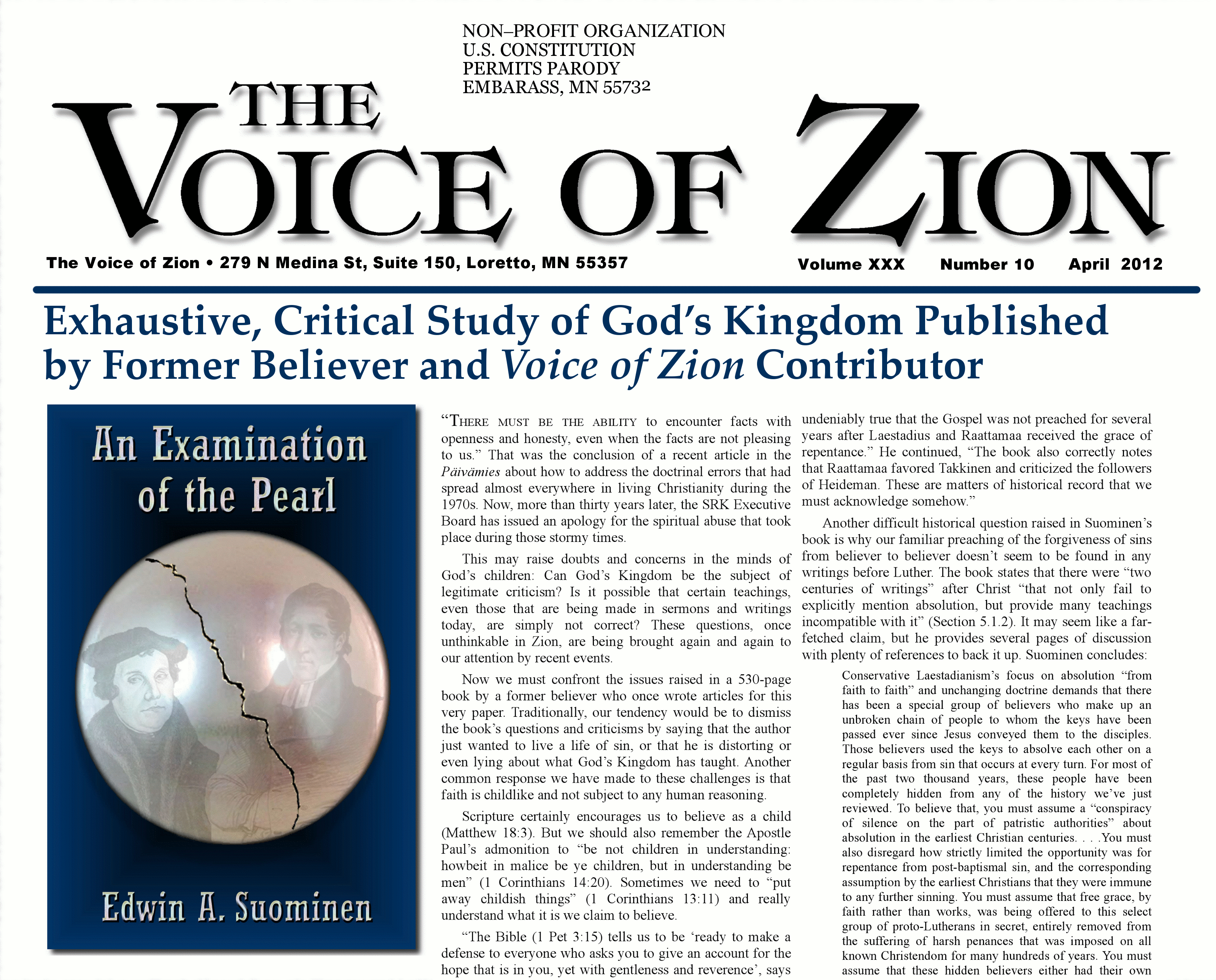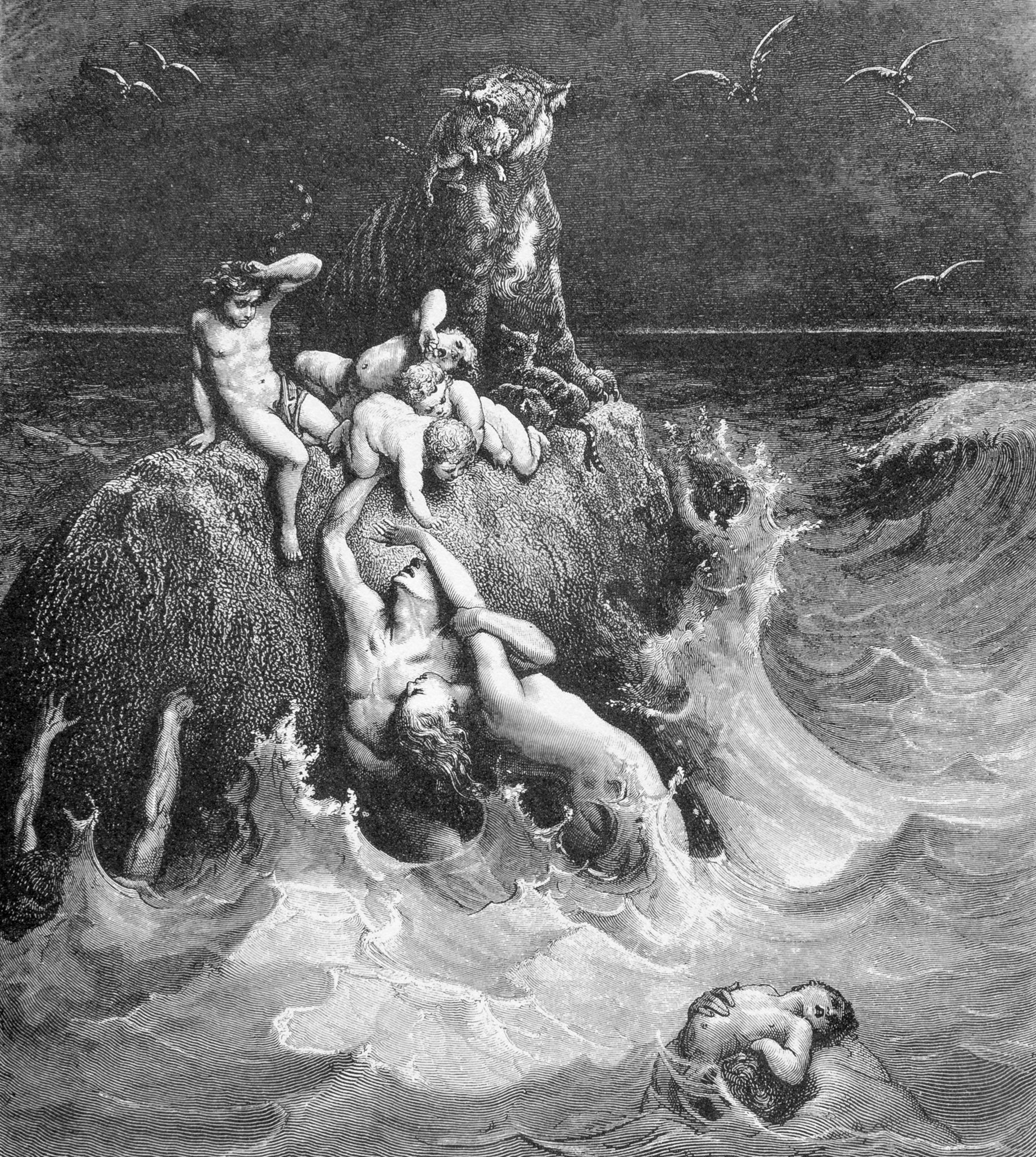
The preachers in my old church like to begin their sermons–usually based on some nice familiar text about salvation and forgiveness plucked from the New Testament–by offering up prayers to “our loving and merciful heavenly father.” They mumble the standard intonations requesting God’s assistance with the weak faith of current believers and the lost faith of former ones, occasionally with a mention that He might also lead some of the rest of humanity to His Grace Kingdom. (What’s stopping Him, anyhow?) As a gauzy familiarity descends on the pew-sitters, the image conjured up in their minds is of a slightly crotchety but ultimately benevolent Old Man of a God with this large inheritance to dispose of. In His house are many mansions, and one of them has your name personally engraved on the door.2
Now, He does know exactly what you did last night and with whom. But just as soon as you hear the magic words (as you undoubtedly will during a Laestadian sermon) that all your sins are forgiven in Jesus’ name and blood, He will smile kindly and shake the memory out of His divine head. You will breathe a small sigh of relief, wait for the In Jesus Name, Amen to finally come around, and then go forth from the sanctuary in peace, freedom, and joy. You will avoid being written out of the Old Man’s will, for a few more days, anyhow.
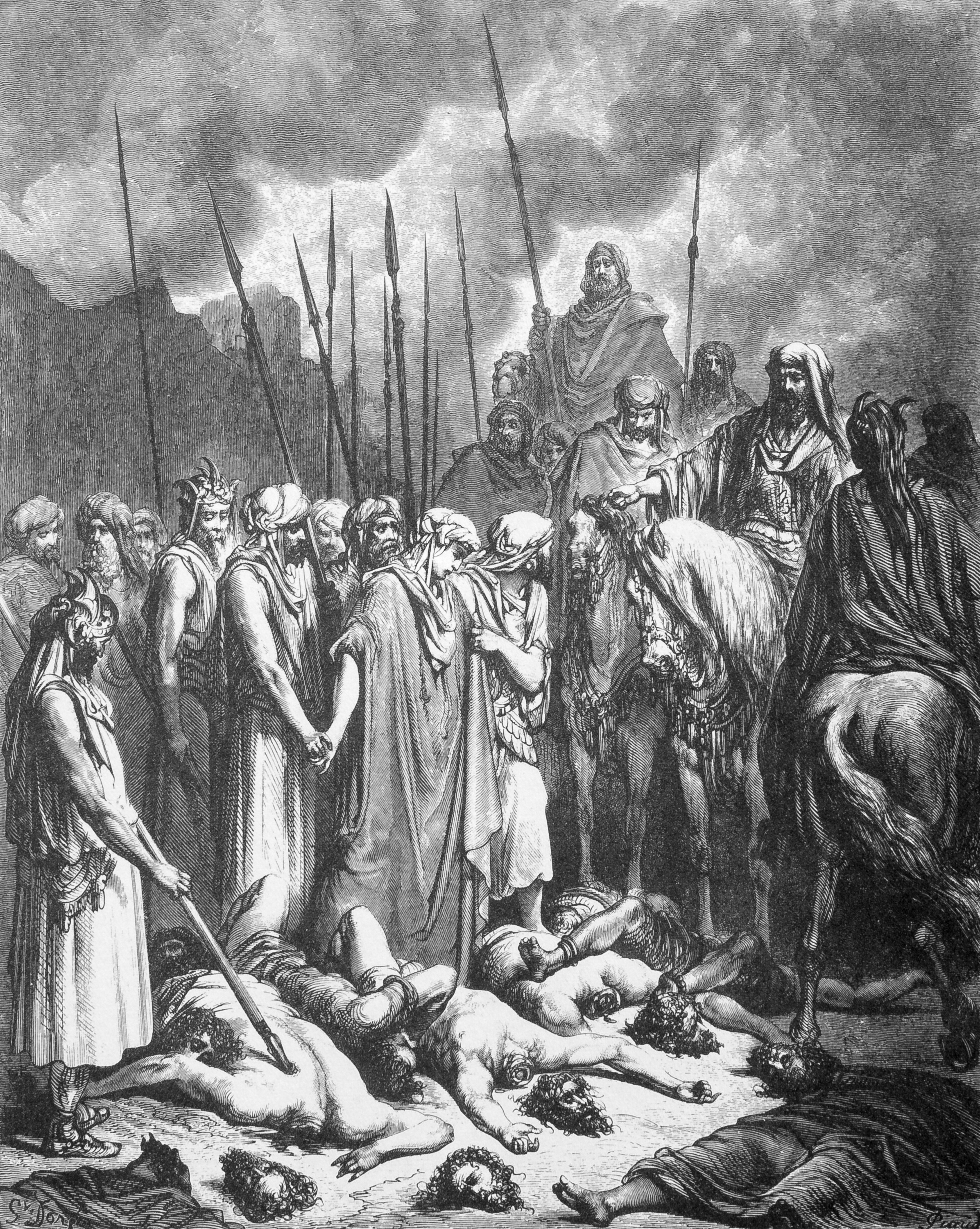
He’s giving you a pretty good deal. The upside is huge after you die (we won’t talk about that nasty potential downside–your sins are forgiven, after all) and in the meantime nobody is getting hurt. At least if you don’t count a little psychological damage, the lost opportunities of a restricted life, and the occasional medical complication from giving birth to that tenth baby.
There’s a problem, though. This vaguely pleasant hands-off deity that I grew up hearing about bears no resemblance whatsoever to the unstable raging psychopath who ranted and threatened and smote his way through the first two-thirds of the Bible. Next time you sit there in the pew, look carefully at the old book’s gilt-edged pages. Most of them will be to the left of where the preacher is reading from, ignored and silent, their horrors left unsaid.
It is impossible to convey here just how much savagery and inhumanity is contained in those pages.3 During the summer of 2009, I spent months reading the Bible from cover to cover. It was tough going, because I kept getting shocked and disgusted by the awful stuff I was encountering for the first time. It certainly wasn’t anything they talked about at church.
One example is enough to make the point.4 Ezekiel 8 tells us that God got upset about some “wicked abominations” that were being committed against him: “seventy elders of the house of Israel” burning incense and surrounded by carvings on the walls of his sanctuary of “creeping things and beasts and detestable things, with all the idols of the house of Israel” (8:10-11), some women weeping for a Babylonian fertility god (8:14), and 25 men prostrating themselves toward the sun and “putting the twig to their nose” (8:16-17). A little weird, but whatever.
God’s response, however, makes the Spanish Inquisition look like small claims court. He called for the executioners of the city to draw near, each “with his destroying weapon in his hand” (Ezekiel 9:1). He commanded that the men of Jerusalem who disapproved of the aforementioned abominations be marked on their foreheads. Then, he directed, “Go through the city after him and strike; do not let your eye have pity and do not spare. Utterly slay old men, young men, maidens, little children, and women, but do not touch any man on whom is the mark; and you shall start from My sanctuary . . . . Defile the temple and fill the courts with the slain. Go out!” (Ezekiel 9:5-7).
It didn’t matter that the women and innocent children had no way to take sides and avoid God’s wrath. When the bodies piled up, theirs lay right alongside those of the men.
The Bible-based short stories that Seth Andrews has featured from time to time on his Thinking Atheist podcast are my effort to bring some of this to light, to expose the dark underside of the “Good Book” that fundamentalists would like to foist upon us all. In today’s episode, he reads “Stones of Tribulation,” a bit of Deuteronomy horror fiction I’ve set in a potential future afflicted by climate change, petroleum scarcity, and economic collapse.5

You can also read the text for free online here, but I suggest you let Seth’s golden pipes do the reading for you. Check out the footnotes in the online version later, and please consider buying my forthcoming book of all my Bible stories when that comes out later in 2016.
Anyhow, amid all the death and looting, the few remaining authorities were able to spare no attention for the Deuteronomic Church of Holy Reconstruction, a fictional Christian cult using Deuteronomy as a guidebook for conquering a strech of the Buffalo River in the Arkansas Ozarks. (“So we captured all his cities at that time and utterly destroyed the men, women and children of every city. We left no survivor,” Deut. 2:34.)
With all the cabins and shacks taken over and the former occupants dispatched in proper biblical fashion, the Holy Reconstructionists are keeping things in line with Deuteronomy as a guide there, too. The current project is to carry out God’s judgment against a young woman who did not produce evidence of virginity on her wedding night. The sentence is clear from Deut. 22:20-21:
But if this charge is true, that the girl was not found a virgin, then they shall bring out the girl to the doorway of her father’s house, and the men of her city shall stone her to death because she has committed an act of folly in Israel by playing the harlot in her father’s house; thus you shall purge the evil from among you.
Soon our hero, Jacob Davis, is watching a volley of rocks being thrown at the woman, his sister, by the menfolk of the hollow. She screams and curses at the men, and Jacob wishes he could join in with her cursing, too, but Deuteronomy has a harsh ruling in store for such rebellion: “The man who acts presumptuously by not listening to the priest who stands there to serve the LORD your God, nor to the judge, that man shall die; thus you shall purge the evil from Israel” (Deut. 17:12).
As the narrator then recalls things, there
was sort of a pause as the men reloaded their arms with their remaining rocks Leah’s voice slurred into a long raspy howl as her mouth gaped open, her jaw probably broken now. Levi watched from the porch with folded arms. Jacob stared at his sister, his crude and brave and dying sister, and did not look away. Not from the blood that was trickling out of her nose and gaping mouth. Not from the one eye that was now hooded and bruised. He thought he saw blood coming from there, too. A spinning piece of shale caught her on the cheek, tearing open another gash. A couple of crows rustled and flew out of the pines behind her, spooked by all the noise.
Then the dark and jagged hailstorm opened up again. He watched Leah’s body jerk and flinch and sag with each impact. Every line and color and detail was vivid, and impossibly wrong. He’d seen stonings before, but this one he would remember. There was no call for this. He decided with a sudden spurt of silent rebellion, unfamiliar and shocking and strong in his throat, that he would make it right somehow.
The howling finally stopped. Leah stared up at the sky through the one open eye, her final act a breaking of the endless rules. Jacob figured the last thing she saw was the sun, burning its forbidden image onto her retina until her head slumped forward and hung against her chest, bleeding.
It’s a gruesome scene. But it’s exactly what is commanded by that “loving and merciful heavenly father” in his inerrant and unchanging Holy Bible. You may believe in that God–no concern of mine if you do–but I’m pretty sure you don’t believe in Deuteronomy.
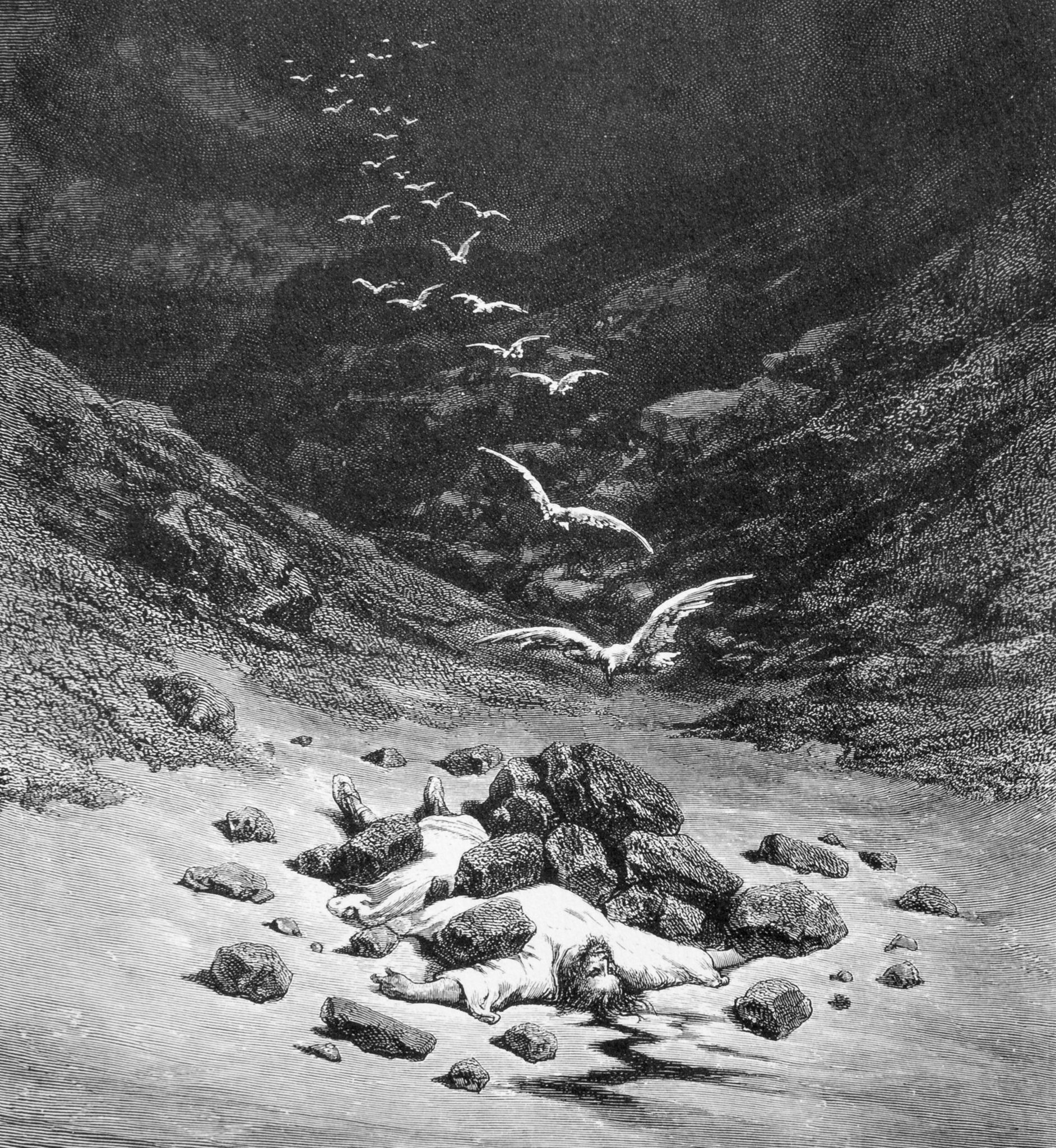
There are true believers in Deuteronomy among us, though, and in Joshua, and Leviticus, and all the rest of the Old Testament’s brutal inhumanity. The most hardcore Bible thumpers of them all are Christian Reconstructionists who advocate what one R.J. Rushdoony (rhymes with “loony”) championed as a “biblical worldview.” According to Professor Julie J. Ingersoll, who spent time in Reconstructionist circles and then studied it exhaustively as a scholar of religion, the movement is “rooted in historic Calvinism,” with a Bible that “speaks to every aspect of life and provides a blueprint for living according to the will of God.” 6 Reconstructionists, she says,
contend that contemporary reinterpretations of Old Testament violence are humanistic rejections of what God called justice. The New Testament is not a replacement for the Old; there is no “God of Love” replacing a “God of Wrath.” God is loving and forgiving, and just and vengeful as revealed in the three persons of the Trinity and present at creation. Old Testament biblical law, with its numerous capital offenses, must be the model for Christian life, and civil law today.
Thus they “support the imposition of violent punishments (stoning and death) for all manner of behaviors that they consider sin (or, in their terms, that God considers sin).”
So, you may wonder, why don’t they have the courage of their convictions to put all this biblical wisdom into action? Why aren’t these true believers out there trying to govern some Ozark hollow under Old Testament Shari’a law right now, throwing rocks at back-talking teenagers and brides lacking virginity certification? Because, they insist, “such punishments would only be exacted after society has been transformed by the Holy Spirit such that the overwhelming majority of citizens would be believers who would submit willingly to biblical law.” 7
Well, if the failure of Ted Cruz in the Republican primaries is any indication, we may still be safe for a while yet. Thank, er, God.
Rushdooney “argued for the use of the Bible as the only source of authority.” 8 He’s dead now, but if you find yourself yearning to have an ancient book control your life without the hassle of, say, converting to Islam and traveling to Syria, there are homegrown Christian alternatives. You might consider my old Laestadianism (“the Holy Bible is the highest authority in questions regarding faith and life”) 9 or, for example, the Covenanted Reformed Presbyterian Church. Its list of beliefs begins as follows:
We believe that the Scriptures of the Old and New Testament are inspired by God and thus totally without error. The Bible (not human tradition, not human experience, not alleged subjective “revelation”) is the sole standard and authority for faith and life.10
And guess what, according to the church’s pastor Brian Schwertley, is the “only standard by which a civil magistrate can rule justly”? The Holy Bible, of course, “the stand-alone infallible Word of God.” 11
Pastor Brian writes about “promoting true religion in the land,” which he says is something “godly civil magistrates are very concerned about.” What he seems to have in mind behind those benign-sounding words promoting and concerned is more than just little old ladies handing out flyers at the county fair. He cites First and Second Kings and the story of King Jehu, biblical butcher extraordinaire, to help us understand how these godly civil magistrates are supposed to operate. Jehu, while “not a godly king,” did the right thing: He “was blessed by God for what he did to the prophets, priests, and servants of Baal.” 12
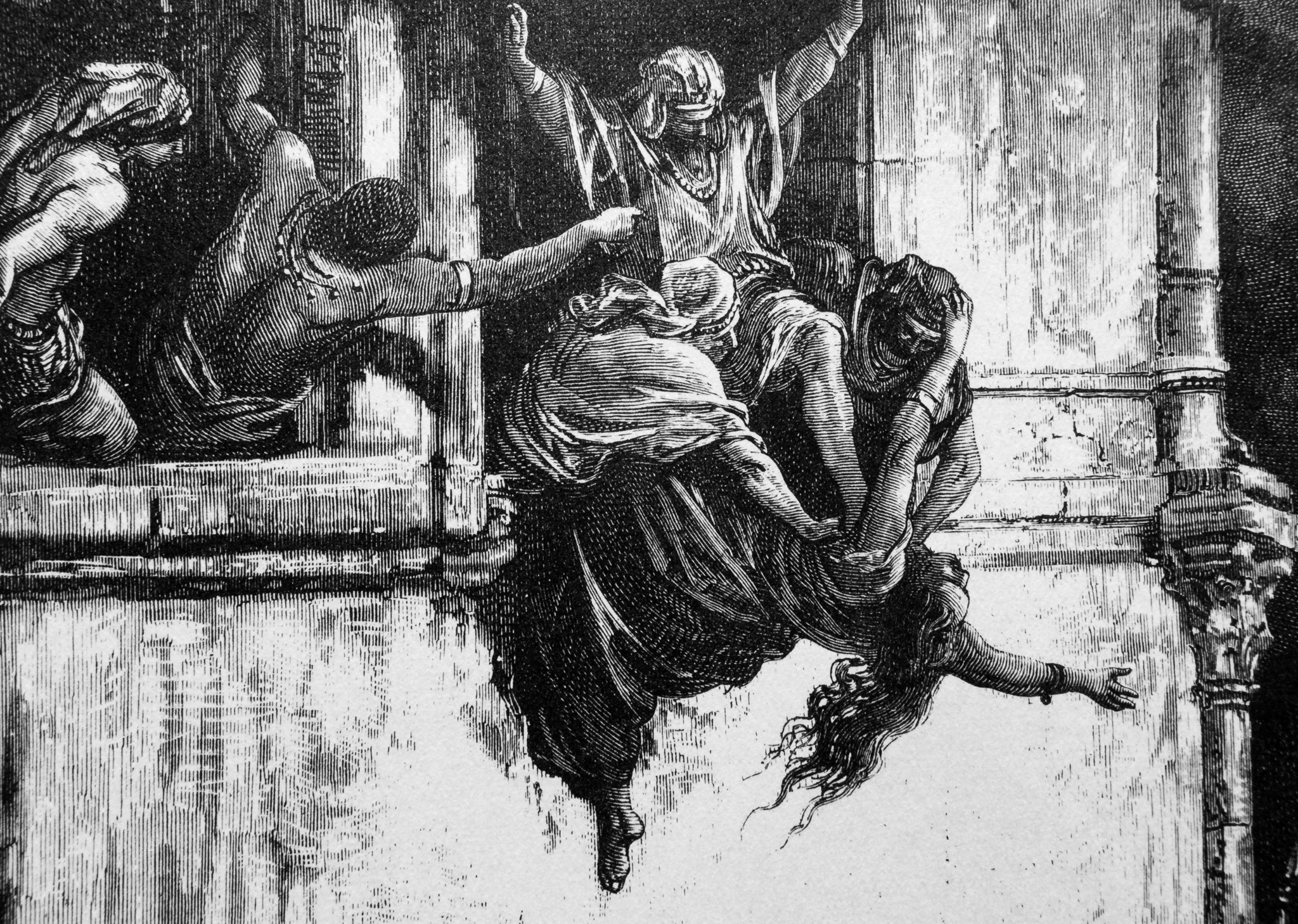
Here’s some of what Jehu did, as described in another one of my short stories, “Jehu’s Jihad,” by a fictional victim of his true-religion promotional efforts:
The chanting stopped, replaced by the screams. There was a mighty rushing roar of shouts and screams, and stamping feet, and the wet smacking thud of iron blades violating flesh. My eyes could make out very little in the dim light with frantic bodies lunging all around me, but I heard and felt, and smelled. Shit and urine voided from panicked and lifeless men. I gulped down nausea with the waves of foul outhouse odors that mingled in my nostrils with the smell of slaughter: dripping, naked guts and the coppery tang of fresh blood.
It was not my own blood, but I made it mine, smearing it on my neck and falling on some bodies and letting more bodies fall on my own. I closed my eyes and lay still as the swords chopped and sliced and swung to chop and slice again. Another body landed, hard, and I wondered if I would still be able to breathe. My chest barely moved as I willed myself to draw long silent breaths from my belly to my gaping mouth. Hot blood dripped onto my arm, first coming in little bursts and then a slow and steady oozing as another life went out.
The screaming became the dying and the dying became the dead, and all was quiet, except the panting and scuffling of the soldiers. I focused my world into the agony of holding my lungs in a measured starvation to stay quiet and alive. My world was the dark mute pressure of dead arms and legs and torsos slick from their bleeding.
Then there were shouted orders and heaving arms, hateful arms, carrying the dead and me outside the temple. I had to let all my weight droop where it fell over the soldier’s shoulder. I stayed silent as ribs cracked under their impossible load and seared my mind with unanswerable pain, my legs swinging with the soldier’s hump-trot to the dirt where he threw my living corpse. Again there were bodies under me, cooler already, and then more on top. Again the silent struggle for secret breath.
It’s another gruesome scene, but massacring an entire worship hall full of helpless people because they don’t share your religion is a messy business. And you will find it in your Bible, a brief, sanitized version of it: 2 Kings 10:18-25.
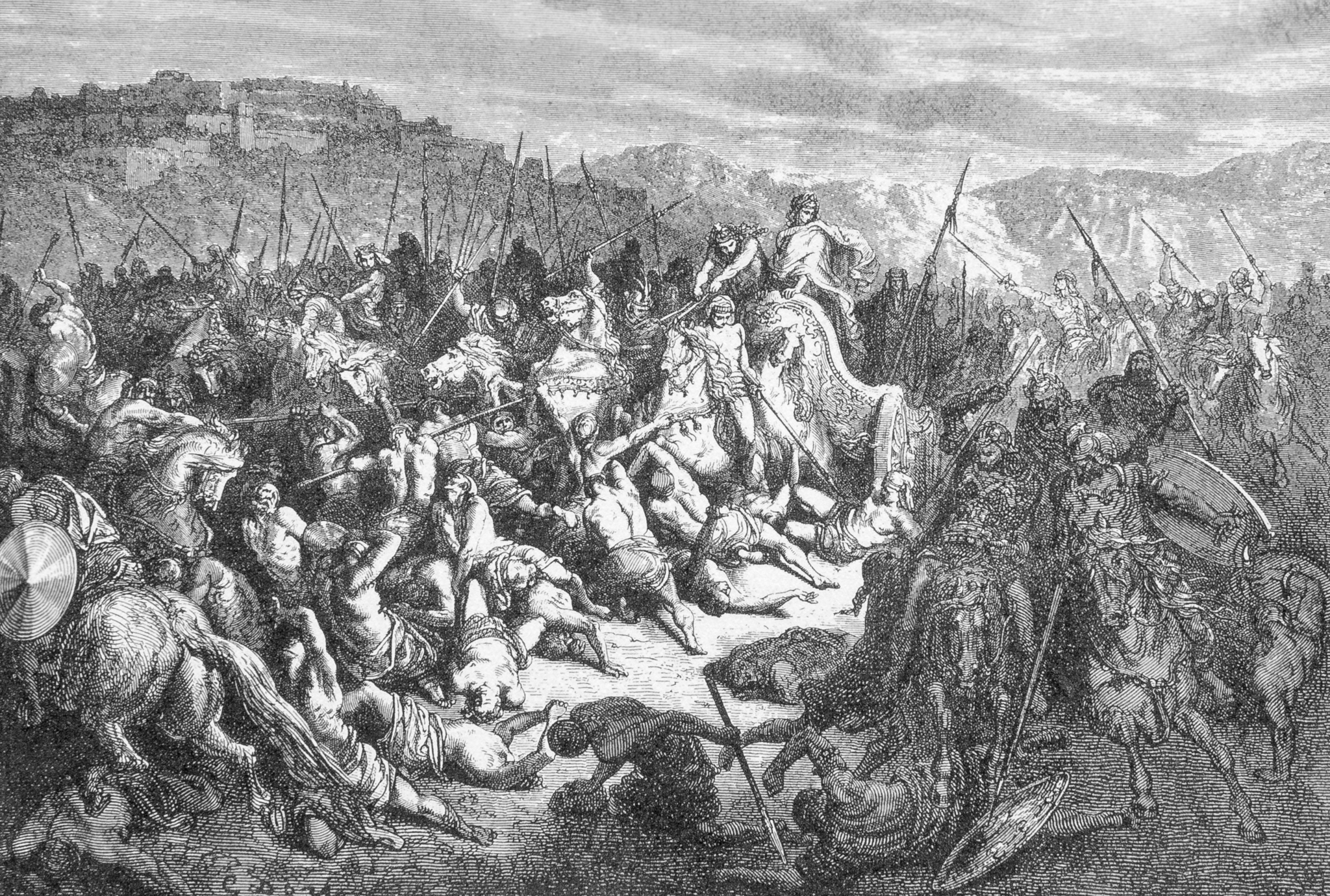
Now, nobody–not even the most rabid Reconstructionist or preciously believing Laestadian–really follows the entire Bible. You actually cannot do it, no matter how crazy you are, because it is impossible to conform to a text that contradicts itself.
Imagine you’re out there at your freshly built backyard altar dripping blood, slaughtering all these cattle and trying to be a good follower of Leviticus. Finally, that old-time religion, you smugly say to yourself while plunging your Ka-Bar into the neck of the next poor beast lined up behind the high compound walls. The BBQ is running out of propane to get it all burnt. Then along comes your wise-ass cousin quoting Micah 6:1-8:
With what shall I come to the LORD
And bow myself before the God on high?
Shall I come to Him with burnt offerings,
With yearling calves?
Does the LORD take delight in thousands of rams,
In ten thousand rivers of oil?
Shall I present my firstborn for my rebellious acts,
The fruit of my body for the sin of my soul?
He has told you, O man, what is good;
And what does the LORD require of you
But to do justice, to love kindness,
And to walk humbly with your God?
Whoops. Beef–it’s what’s for dinner, extra well done.
The less pragmatic reason people don’t actually follow the Bible is that it has a way of interfering with real life. Consider the scene from “Stones of Tribulation” where Jacob is musing about the presence of pork chops at the dinner table of Levi Harding, prophet. Back in Harrison, AR, some of the men had “said Jesus overrode Deuteronomy when it came to what you could eat” (Mark 7:19). But the “others reminded everybody what the Biblical Blueprint Series said about the Old and New Testaments. One guy kept quoting the line Jacob knew all too well: ‘God’s counsel and judgments are not divided!’ That old coot probably couldn’t even taste bacon anymore.”
The Biblical Blueprint Series, edited by Gary North of Fayetteville, Arkansas, is a real work, ten volumes published in 1986 and 1987. It’s one “of the most direct and systematic efforts at popularization” of a “biblical worldview.” 13 It teaches some serious biblicism, which would seem to lay to rest any questions about my Holy Reconstruction folks eating cloven-hooved unclean animals, as much as their stoning of Jacob’s sister:
We must never doubt that whatever God did in the Old Testament era, the Second Person of the Trinity also did. God’s counsel and judgments are not divided . . . . If we as Christians can accept what is a very hard principle of the Bible, that Christ was a blood sacrifice for our individual sins, then we shouldn’t flinch at accepting any of the rest of God’s principles. As we joyfully accepted His salvation, so we must joyfully embrace all of His principles that affect any and every area of our lives.14
But somebody else at the Hardings’ (fictional) table “wondered if Deuteronomy really needed to be taken ‘whole hog’ [sorry] when it came to the rules even Jesus said weren’t important. Then Levi’s dad recalled that the guy who edited Biblical Blueprint figured the food laws didn’t apply, and that was the view that finally won out.” Yes, it seems that joyfully embracing all of God’s principles does not quite apply to what’s for dinner. Take a look at North’s 1984 position paper to see how he rationalizes that one.15 If you can stomach it.
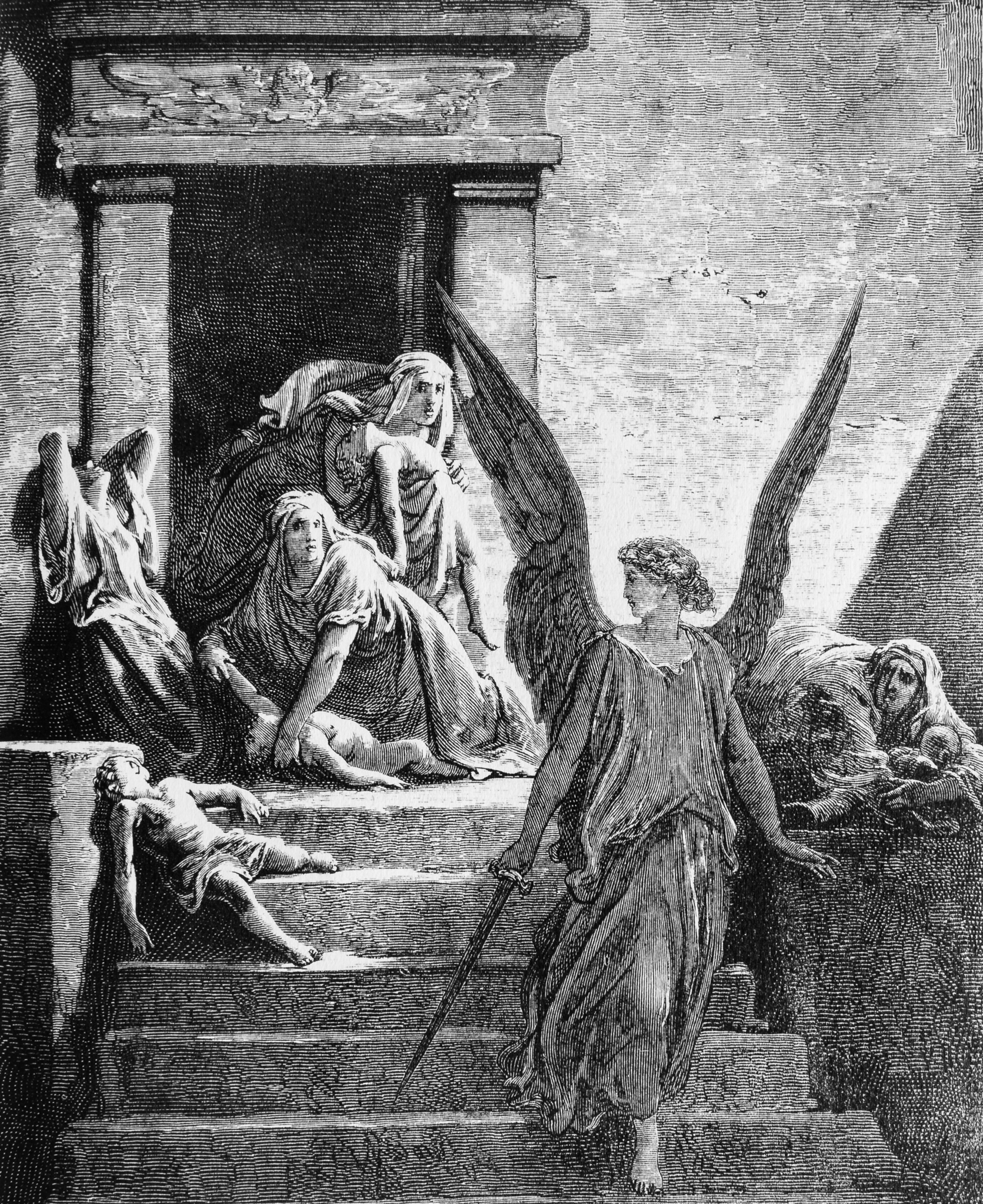
Many Christians remain blissfully unaware of the Old Testament’s brutality. It barely grazed my consciousness for most of the decades I remained in Christian fundamentalism. For those who do know about it and “ponder why God would allow, much less command, such horrors,” Robert M. Price offers some strong words in Blaming Jesus for Jehovah, a book whose publication I’m proud to have been a part of via my little indie publishing company Tellectual Press.16
Just knowing and wondering isn’t good enough, Dr. Price says. That is “stopping short of the real question,” which “is this: ‘Why should I believe that a God who issues such orders is more than a tribal totem embodying and justifying the bloodlust and hatreds of an ancient people? How can I, with any shred of conscience, profess allegiance to such a figure?’”
Fine, you have the information. You have the doubts, the questions. Now, what are you going to do with them?
What if you are willing to discount those passages in which God commands genocide and infanticide as merely the biases of primitive worshipers of a God whose loving nature is clearer to us moderns? Then plainly you must realize that, even if scripture explicitly says, “God commanded so-and-so,” that doesn’t mean he did. Don’t you realize you’re admitting the Bible was mistaken? And then, how do you know when it’s not mistaken? I come back to my point: Your judgment is your authority, not the Bible, which many seem to “believe” only when they agree with it.
And that’s nothing to be ashamed of! The only thing to be ashamed of is hiding behind the supposed authority of the Bible to buttress your own opinions. If you have the courage of your convictions, surely you should be able to present to another person the solid reasons that led you to think as you do. Assuming there were any real reasons.
If you were raised believing in the murderous faith of the Islamic Caliphate, you might have qualms about some of the things your leaders said Allah had commanded, but you’d be looking at things from the inside, and you’d chalk it up to “one of those divine mysteries.” But you are, thankfully, viewing their atrocities from outside, so you have no difficulty recognizing the horrors of a death cult for what they are.
“If the Old Testament Jehovah is portrayed as the blood-spattered totem of a slaughter cult,” and Dr. Price thinks the Bible does a fine job of that, as do I, then “it is high time you stepped out of the Bible bubble for an objective look at it. It is time you decided if you really belong there.” 17
Dr. Price goes on to discuss the equivocation of “God’s defenders” when confronted with all this. “They like to point out that God is so astronomically far above us that it’s futile for us to imagine ‘good’ meaning the same thing for him as it does for us.” Uh huh. OK, fine; say
that a deity who commands genocide, religious persecution, and the abduction of virgins is nonetheless “good” if you want to. But then you will just be spewing pious gibberish. God’s ostensible goodness is no longer any guide to what we may expect from him. Oh yes, he’s “good,” thank goodness, but that doesn’t mean he won’t victimize or exterminate the innocent. Whatever he did, the pious apologist has ready excuses for his God. “He’s all-righteous, so he must have some good reason for it!” If you woke up in hell one fine morning, despite your Christian faith and God’s promise that it would save you, I guess you’d have to conclude he must know what he’s doing.
Ours is not to reason why; ours is but to boil and fry. Maybe so, but why empty the word “good” of what we all mean and understand by it by applying it to such a being? 18
It’s not just Christians who are compelled to make excuses for these ancient books. Todd Kadish, a former Orthodox Jew, tells me that “the atrocities contained in them are “an albatross weighing down the moral authority of ethical monotheism.” Worse, they can offer a “license for ethnocentrism or even atrocities” perpetuated today, in some pious fantasy world where the ability to do so would actually present itself. The Orthodox can’t just wave away the sacred words on the Torah scroll, because they “consider the Five Books of Moses the vehicle through which a transcendent God touched humanity, and the eternal guidebook he personally authored for his chosen people.”
Kadish acknowledges that the real-world consequences are very different for a reluctantly tolerated albatross and an enthusiastically embraced bad-behavior license. But he warns Jews and others who revere the Hebrew Bible to focus on the common source of the two positions:
The views of a liberal (“Modern”) Orthodox rabbi writing apologetics and a radical Orthodox Jew who justifies the murder of innocent Palestinian children by citing Biblical precedent are both seeking to apply the morality of a being they consider the source of (or at least guide to) morality to the modern world. But the world largely moved beyond total warfare centuries ago, and most of us are now trying to lay to rest a history of racial and religious genocide which stretched into the modern era (with Jews as some of its primary victims). And the Hebrew Bible is a truly terrible foundation document for a moral code that demands ethics in warfare and respects all human life, because it leaves one with apologetics at best or license for atrocities at worst.19
Happily, for those of us outside the fanatic fringes of Christianity or Judaism, the Hebrew Bible is in no position to make any more demands. We have read it and tossed it aside in disgust, dismissed it as irrelevant to our lives, or rationalized it away under some comfortable theory about Jesus fulfilling the Law. Reconstructionism, never a big part of American religion to begin with, has retreated to its bunkers.
Though Professor Ingersoll notes that “conservatives (Christian and secular) have not disappeared” and expresses concern about lingering influence from the Reconstructionist lunacy she’s studied for so long,20 today’s conservativism seems to be a largely secular phonenomen. The snarling theocratic fantasy of Ted Cruz’s candidacy has evaporated, and the amoral authoritarian gasbag left standing at the head of God’s Own Party exhibits no significant religious convictions. Meanwhile, one contender for the Democratic Party nomination says he is “not particularly religious,” and the other one–the woman who will be the next U.S. President–is a pro-choice Methodist not exactly beloved by the Religious Right.
Through no fault of the Bible, our nation and world remain infested with ignorance, superstition, bigotry, and violence. We certainly are not headed for any secular utopia as we leave that nasty old book behind. But perhaps some of what another Ingersoll–the genius orator Robert Green Ingersoll–promised a hundred years ago finally might be happening:
Day by day, religious conceptions grow less and less intense. Day by day, the old spirit dies out of book and creed. The burning enthusiasm, the quenchless zeal of the early church have gone, never, never to return. The ceremonies remain, but the ancient faith is fading out of the human heart. The worn out arguments fail to convince, and denunciations that once blanched the faces of a race, excite in us only derision and disgust.21
It is long overdue.
Paul wrote that he was pressing “toward the mark for the prize of the high calling of God in Christ Jesus.” Forget those things that are behind us, he said, and reach forth unto those things which lie before us (Phillipians 3:13-14). Lofty words, and a worthwhile thing to adapt for ourselves as we smile at Paul and Peter and whoever wrote all the rest of it: Let us press toward the prize of our own high calling, of our best and noblest selves and community and shared humanity.
Let’s forget the tribal atrocities and cruel punishments in this tired old text that’s occupied too many of us for far too long, and look to what lies before us–writings and thoughts that speak to us where we are today as compassionate, decent human beings, that serve us, that earn the space they ask for inside our minds.
Notes
-
John 14:2. I actually heard a preacher say the “personally engraved” line once. ↩
-
This paragraph and those that follow up to the next section break are adapted from my essay “Fighting Words,” originally posted May 11, 2012 on the Learning to Live Free blog. ↩
-
You can read about many more examples in my book An Examination of the Pearl (2012). See my discussion of the Old Testament in Section 6. ↩
-
It’s a topic for another essay entirely, but I do believe those three issues–climate change, petroleum scarcity, and economic collapse–may well lead us to a dystopian future like what I wrote about in “Stones of Tribulation,” and in not too many decades down the road. And you can count on all sorts of religious crazies to come out of the woodwork if it does. ↩
-
Julie J. Ingersoll, Building Gods Kingdom: Inside the World of Christian Reconstruction (Oxford University Press, 2015), p. 14. ↩
-
Ingersoll at p. 214. ↩
-
Ingersoll at p. 211. ↩
-
“How We Believe,” llchurch.org/ourbeliefs.cfm. ↩
-
Brian Schwertley, “Political Polytheism,” 2003, reformedonline.com, p. 60. ↩
-
Schwertley at p. 60. ↩
-
Ingersoll at p. 54. ↩
-
Quoted in Ingersoll at pp. 54-55. ↩
-
Gary North, “The Annulment of the Dietary Laws,”
I.C.E. Position Paper No. 2 (Nov. 1984),
garynorth.com/freebooks/docs/a_pdfs/newslet/position/8411.pdf. ↩ -
Robert M. Price, Blaming Jesus for Jehovah: Rethinking the Righteousness of Christianity. (Tellectual Press, 2016), p. 61. ↩
-
Price at pp. 61-63. ↩
-
Price at pp. 63-64. ↩
-
Todd Kadish, personal communication June 6, 2016. ↩
-
Ingersoll at p. 244. ↩
-
Robert Green Ingersoll, “Lecture on Gods.” ↩